
Manito Park
Manito Park is a well-known South Hill landmark and useful general reference when locating residential streets in the surrounding area. We still use your exact address and entry instructions to plan an inspection.

Mold Inspection and Testing in South Hill is an indoor environmental assessment that checks for moisture conditions and mold concerns when a leak, odor, visible growth, or unexplained indoor air issue needs investigation. Spokane Mold Testing serves homes and properties around Manito, Rockwood, Comstock, and Lincoln Heights, including addresses in ZIP codes 99203 and 99223. Historic homes and established residential streets can contain older materials and assemblies that need a careful, targeted inspection rather than guesswork.
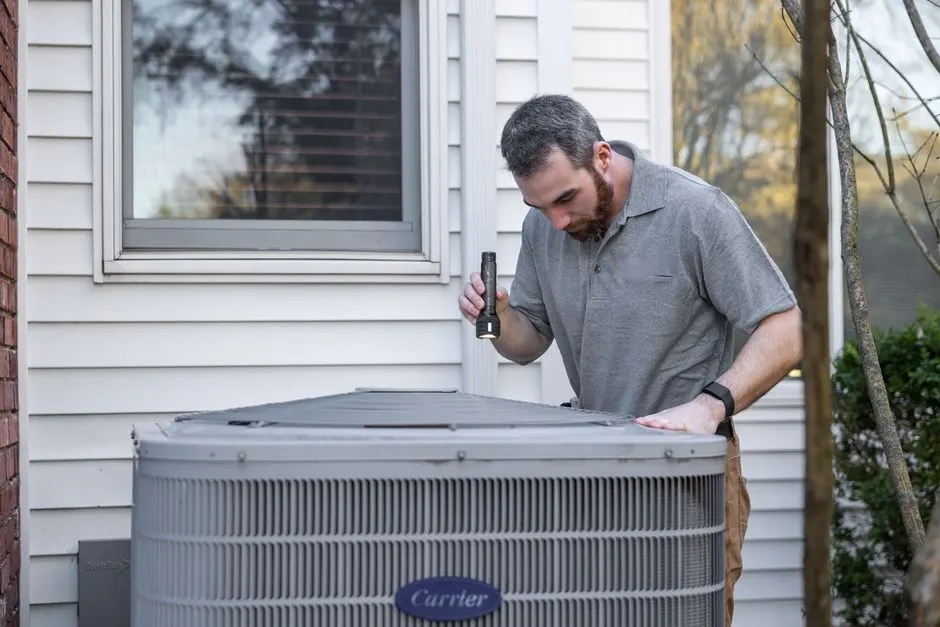
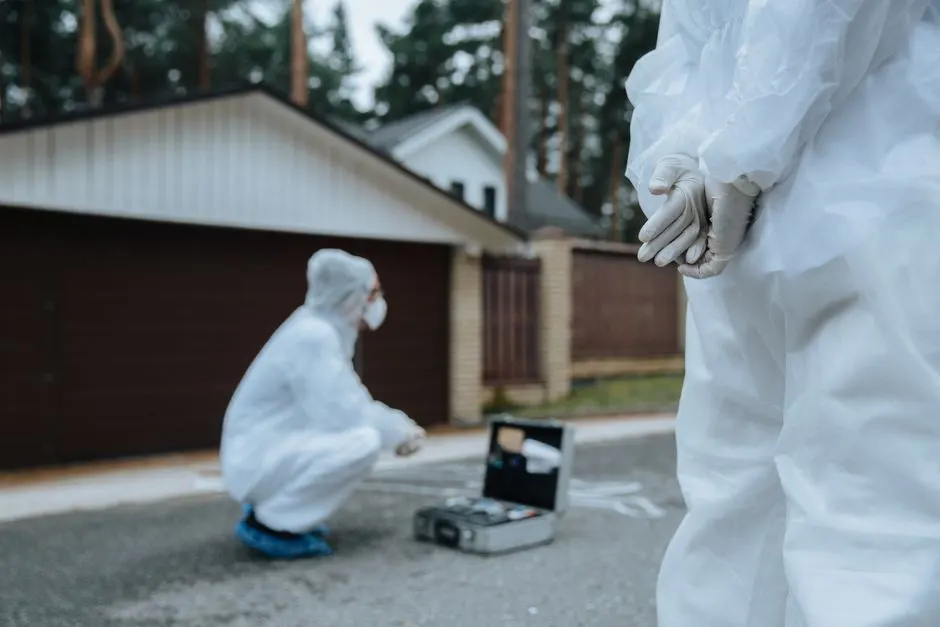
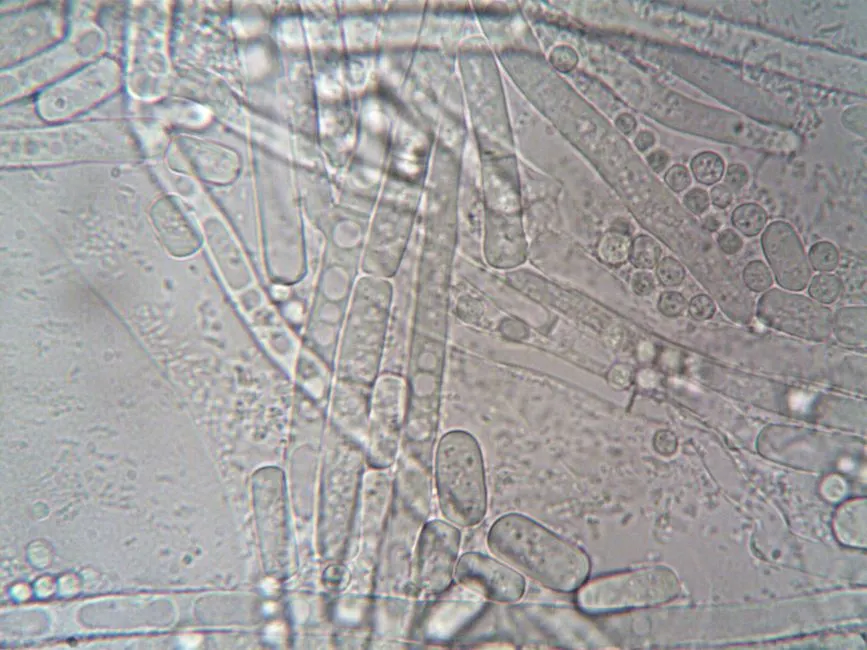
We begin with the building history and the area of concern, then inspect accessible surfaces and moisture conditions. A pin and pinless moisture meter helps compare readings across materials; an infrared thermal camera can help locate temperature patterns that deserve closer checking. If sampling is appropriate, we explain what is being collected and why. Our mold inspection and testing South Hill WA service is designed to give you useful findings, not a lab result without context.
You receive a clear account of observed conditions, sampling results when collected, and practical next steps. We do not treat every stain as mold or every odor as proof of a health hazard. That distinction matters for a home near Manito Park, a property along Perry Street, or a house with a damp lower level after snowmelt.
South Hill calls often begin with a damp basement, a plumbing leak, a roof stain after a cold spell, or an odor that returns when the house is closed up. Our inspections separate visible conditions from hidden moisture concerns, then use sampling when it can answer a specific question. If you need mold testing for a home in South Hill, Washington, we can assess the affected rooms, review relevant building areas, and explain what air or surface samples can and cannot establish. Residential and commercial visits are available across the area.
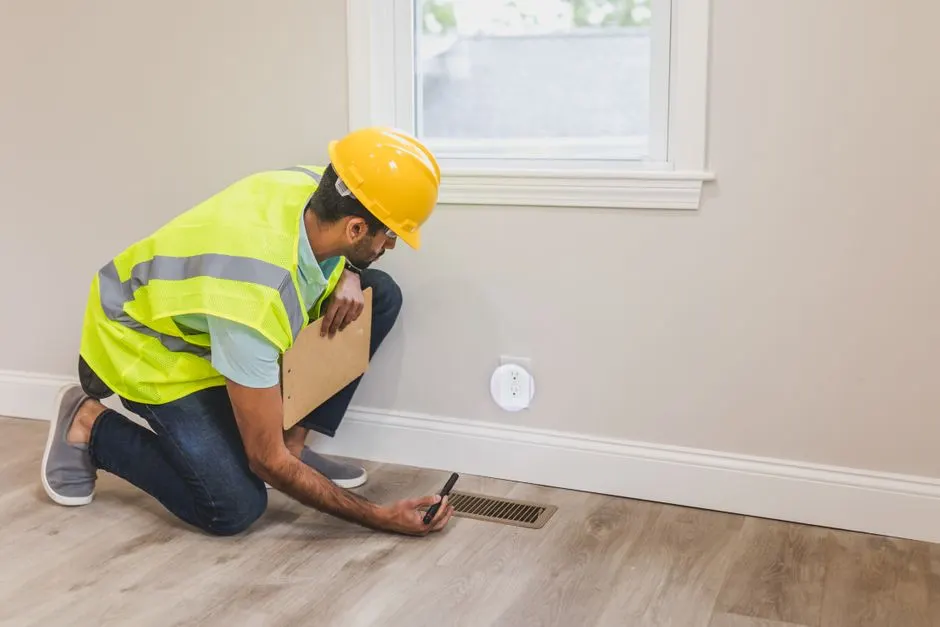

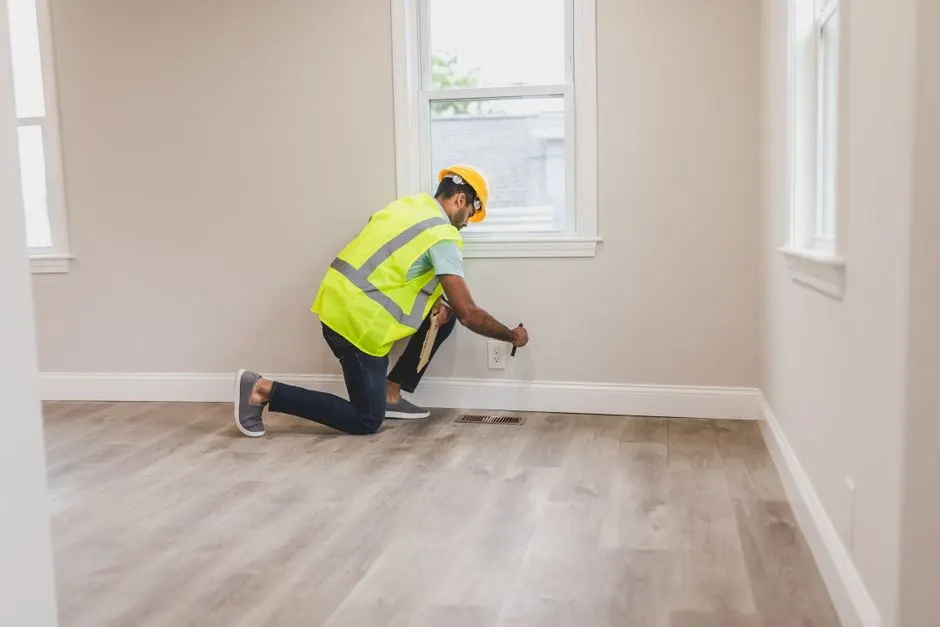
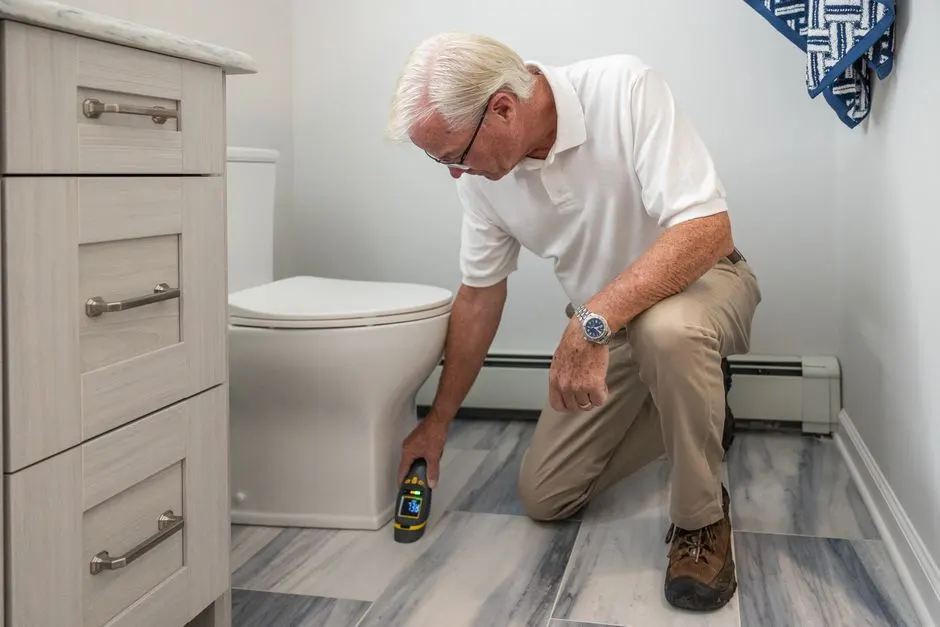
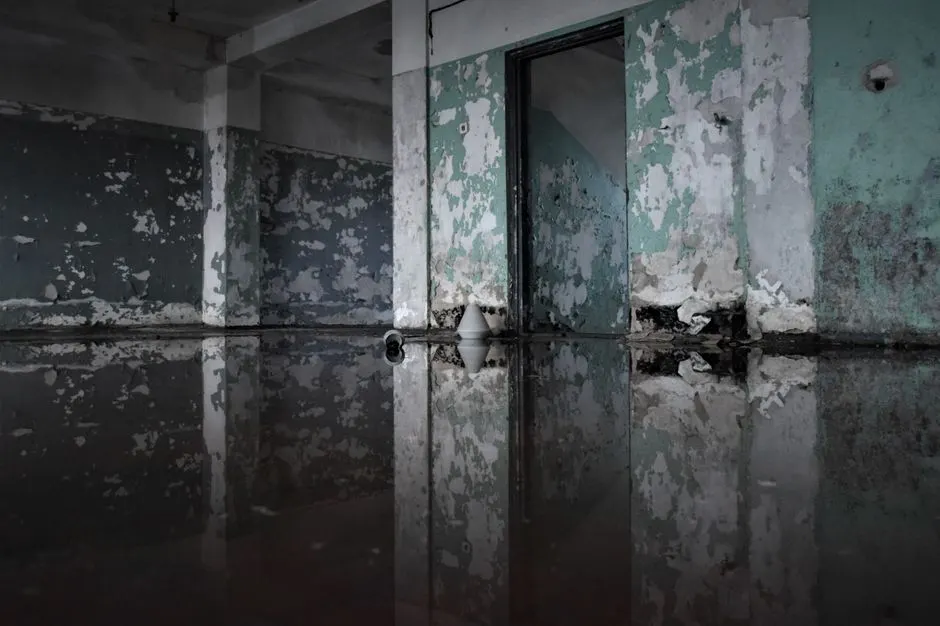

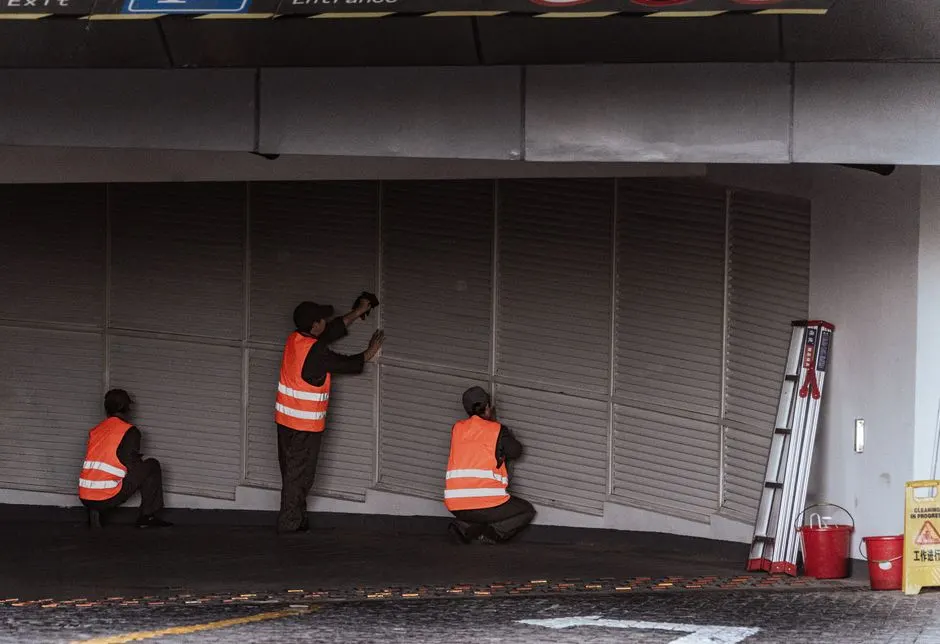


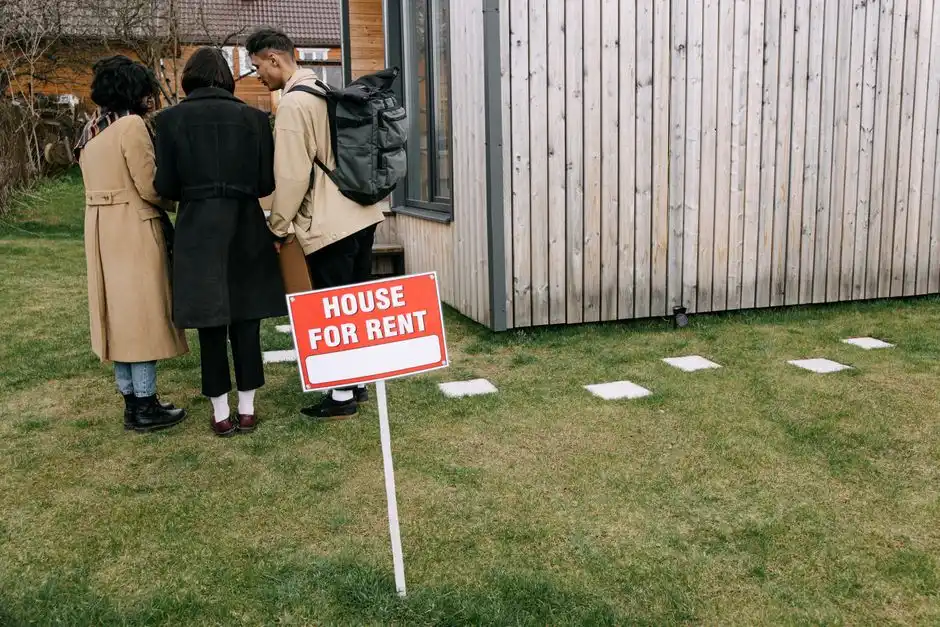
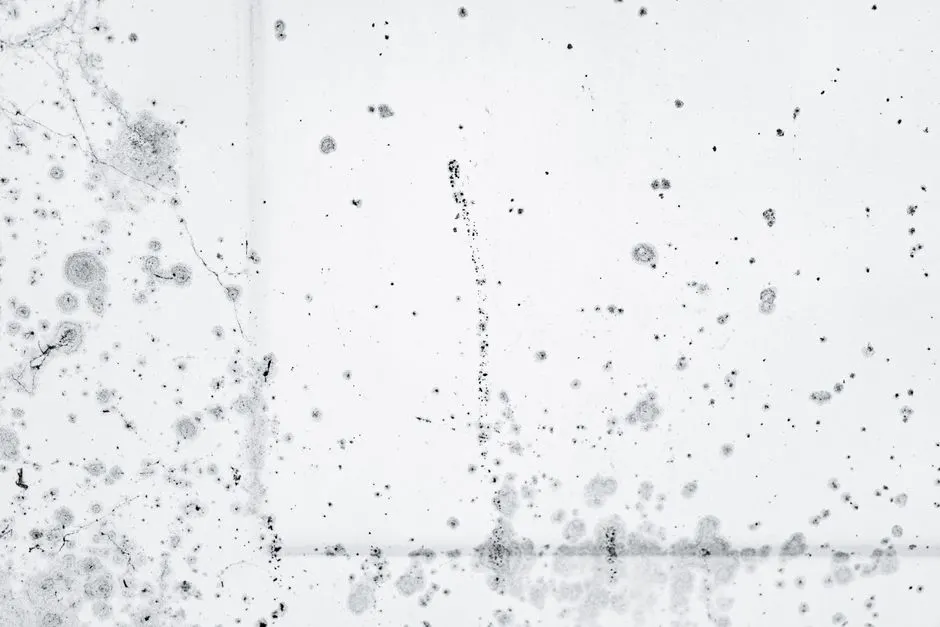
South Hill's mix of established homes, hillside lots, and cold winter weather creates several distinct moisture patterns. A damp lower level may relate to drainage or aging waterproofing; an attic stain may follow snow accumulation or roof entry; and condensation can develop where warm indoor air meets a cold surface. These conditions are not proof of mold, but they justify checking moisture and affected materials. A mold inspector near South Hill should explain what was observed, which areas were accessible, and whether testing adds a useful answer before any cleanup decision.
A small leak can wet wall cavities or flooring before a mark becomes obvious. Older finishes and layered repairs in established homes may hide the route. If the water source continues or materials remain damp, conditions can support mold growth even after the visible surface is cleaned.
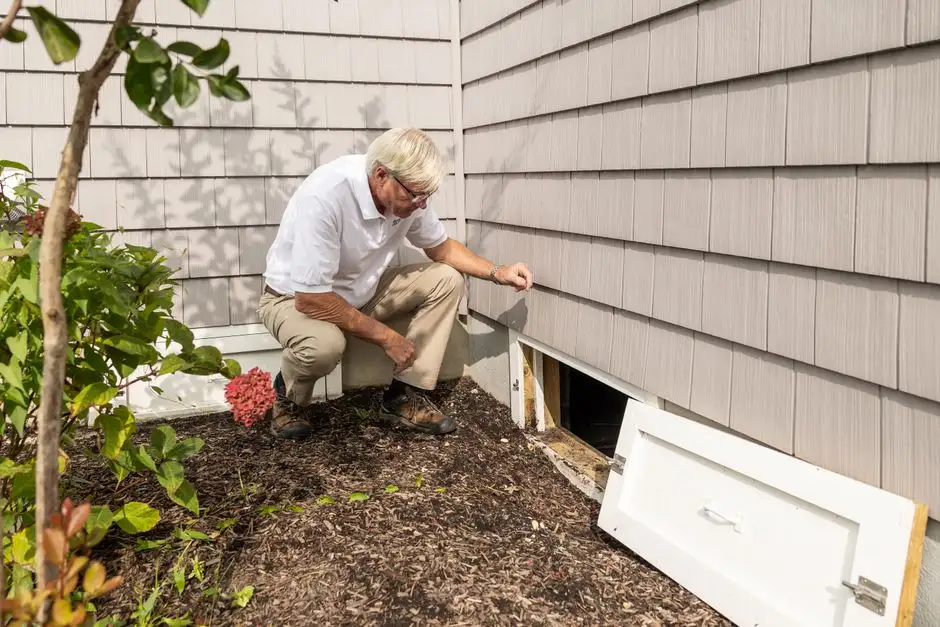
Older lower levels may have limited ventilation or aging waterproofing. Hillside drainage and foundation conditions differ by property, and stored items can block airflow or inspection access. Persistent dampness can create odors even when visible growth is limited or out of sight.
Cold surfaces in an attic can meet warm, moist indoor air, creating condensation. Snow accumulation and ice-related water entry can also contribute to roof leaks. Both situations may leave similar staining, so timing, moisture readings, and attic observations matter.
Indoor humidity, cold weather, and surface temperature can combine to leave water on colder glass, trim, or wall sections. Repeated wetting can damage finishes and support surface growth. A single condensation episode does not establish a wider mold problem, but recurring moisture deserves attention.
Call when a stain returns, a musty odor persists, or materials stay damp after a leak. In South Hill, winter snow and ice can lead to roof entry, while hillside drainage and older lower levels create different moisture patterns from one home to another. A mold inspection after a water leak in South Hill helps check the affected materials and nearby areas before you assume cleanup reached everything. If water is actively entering, stop the source and protect the area first; then we can assess moisture and possible mold conditions.
A musty smell returns after cleaning
A recurring odor can point to retained moisture, hidden mold growth, or another source in a wall, basement, crawl space, or HVAC area. Cleaning the surface may not address the condition behind it. If the smell persists over several days or returns when the room is closed, an inspection can help narrow the area.
A ceiling stain grows after snow or rain
A changing mark suggests water may still be entering or that wet materials have not dried. Water can travel from the roof before showing on an interior ceiling, so the visible stain is not always directly below the entry point. Arrange an assessment promptly, especially if the surface feels damp.
Basement walls feel damp or show deposits
Dampness along a foundation wall can reflect water entry, condensation, or another moisture condition. In South Hill, hillside lots and varied basement assemblies make property-specific checking important. We compare readings across the area and look for related signs rather than diagnosing from a single patch.
Paint bubbles or flooring edges lift
Blistered paint, swollen trim, or lifted flooring can indicate moisture within or beneath the finish. The material may have been wet from a plumbing leak, exterior entry, or recurring condensation. A moisture inspection helps establish whether the affected area is still damp and whether further mold assessment is useful.
Odor changes when the HVAC runs
An odor that appears when heating or cooling starts can come from equipment, nearby surfaces, or air moving from another space. Do not assume the ductwork is the source without inspection. We check accessible areas and consider sampling only when it will help evaluate the specific indoor air concern.
We use familiar South Hill landmarks as orientation references while confirming the property address and access details. Manito Park helps identify the surrounding residential area, while Sacred Heart Medical Center is a clear reference point on the north side of the hill. Perry Street and High Drive also help distinguish routes and nearby blocks. These are navigation cues only; the inspection is based on your property's construction, reported conditions, and accessible areas.
Manito Park is a well-known South Hill landmark and useful general reference when locating residential streets in the surrounding area. We still use your exact address and entry instructions to plan an inspection.
Sacred Heart Medical Center is a prominent Spokane landmark that helps orient travel toward the lower northern portion of South Hill. It serves as a navigation reference, not a service location.
Perry Street is a recognizable South Hill corridor and useful reference for locating nearby blocks. We confirm the specific property address because inspection access and parking depend on the individual site.
Plus surrounding Pierce County neighborhoods, with same-day routing on most appointments.
Averaging 4.9 / 5 across verified reviews.
“We called about a musty smell in our Manito basement. The inspector checked more than the one corner we pointed out, took moisture readings, and explained why the readings mattered. We appreciated getting a clear distinction between damp materials and what would require a mold sample. The next steps were specific to our house, not a sales pitch.”
Mara K.
Manito
“After a winter ceiling stain appeared in our Rockwood home, we wanted to know whether the attic was involved. The inspection covered the accessible attic area and the room below it, with photos and notes that made the findings easy to follow. We knew which area needed a roofer to assess and what the mold testing could establish.”
David R.
Rockwood
“Our Lincoln Heights house had an odor that seemed stronger when the heat came on. The inspector looked at the HVAC concern and nearby surfaces, then explained the reason for each sample. We received results with context instead of just numbers. The visit helped us focus on the next inspection rather than guessing at the source.”
Elena P.
Lincoln Heights
In November and through winter, South Hill inspections often focus on roof leaks, snow accumulation, cold-surface condensation, and damp lower levels. Spring brings snowmelt and renewed attention to drainage; summer is a useful time to notice odors in closed spaces and inspect after plumbing events; fall is a good point to check roofs and attic conditions before colder weather. If you are considering airborne mold spore testing in South Hill WA, timing and indoor conditions matter, so we document the conditions present when samples are collected.
As snowmelt and spring rain arrive, check lower-level walls, crawl spaces, and foundation areas for new dampness or staining. Hillside drainage differs by property, so water may appear in one corner rather than across the whole basement.
Tip: Move stored items away from damp areas and note when moisture appears. If the same wall becomes wet after each thaw or rain, arrange an inspection while the pattern is still easy to describe.
Warmer weather can make musty odors more noticeable when a home is closed or when air conditioning changes indoor conditions. Plumbing leaks and hidden wet materials can remain a concern even after the original water event has passed.
Tip: Check under sinks, around water heaters, and near basement storage after a leak. Photograph new stains and record dates; that history helps us connect the visible evidence to the likely moisture event.
Before colder weather, roof and attic concerns deserve attention, especially where prior staining or repairs exist. Leaves and seasonal rain can reveal drainage issues, while cooler surfaces can make condensation patterns more apparent in lower levels.
Tip: Look for changes in attic staining and basement odors before heating season. Address active roof or plumbing leaks promptly, then schedule assessment if materials remain damp or a musty smell continues.
Cold winters and snow accumulation can increase risks of roof leaks and ice-related water entry. Indoor moisture can also condense on cold windows, exterior walls, and attic surfaces. A new ceiling stain may show up some distance from the original entry point.
Tip: If water is actively entering, protect the area and contact the appropriate repair trade first. Once the source is controlled, we can inspect affected materials and determine whether moisture readings or mold sampling are useful.
South Hill is part of our broader Spokane service area in Spokane County. We coordinate visits across nearby neighborhoods while keeping the inspection focused on the specific building and concern. Routes may connect South Hill with Downtown Spokane, North Hill, and other listed service areas. Our coverage includes Spokane ZIP codes such as 99201, 99203, and 99205, with additional service in 99202, 99204, and 99207. Contact us with your address to confirm the right location page and scheduling options.
(City)
Downtown Spokane lies north of South Hill and is part of the same Spokane service region for inspections and testing.
View Downtown Spokane(City)
Northwest Spokane is across the central city from South Hill; both areas are served from the Spokane coverage network.
View Northwest Spokane(City)
North Hill is north of South Hill within Spokane, so customers can arrange inspections across the two adjoining city areas.
View North Hill(City)
West Central is west of South Hill and part of the same broader Spokane inspection service area.
View West Central(City)
East Central sits east of South Hill within Spokane, with service coordinated around the property address and reported issue.
View East Central(City)
Logan is north of South Hill in Spokane; inspections in either area follow the same evidence-led assessment process.
View LoganReal answers from our team for the questions we hear most often before a job starts.
If a musty odor, leak, attic stain, or damp basement has you concerned, call Spokane Mold Testing and tell us what you are seeing. We serve South Hill and nearby Spokane neighborhoods, including ZIP codes 99203 and 99223. We will discuss the inspection focus, sampling needs, and next available appointment. Call +18668968166 to get started.
Tell us what happened, where you noticed the odor or staining, and whether water entered the property. Call +1 866-896-8166 to speak with Spokane Mold Testing about an inspection or testing question. Our listed business hours are Monday through Friday, 8:00 a.m. to 6:00 p.m.; if a leak is active, call promptly and describe the conditions.
Phone
+18668968166Address
Spokane, Washington
Hours
Mon–Fri: 7AM – 7PM
Sat: 8AM – 4PM
Sun: Emergency Only
24/7 Emergency Available