


Logo
Get Estimate

Mold Inspection and Testing in East Central

Mold Inspection and Testing in East Central helps you identify moisture sources, visible growth, and hidden concerns before they spread or complicate a sale. We inspect older homes, commercial properties, and newer infill throughout East Central, then recommend sampling when it answers a specific question. Our East Central mold inspection and testing accounts for aging plumbing, winter roof entry, and spring snowmelt without treating every property as if it has the same problem.

Call for Testing Request an Inspection
Local service area Phone support Testing approach
Licensed Licensed & Bonded
Fully Insured Insured & Bonded
24/7 Emergency Same-Day Response
Warranty Backed Workmanship Guaranteed in East Central
East Central

Mold Inspection and Testing in East Central


Mold Inspection and Testing in East Central is a property assessment that checks for moisture conditions and visible or concealed mold concerns, using sampling when it can answer a defined question. Spokane Mold Testing serves East Central addresses in 99202 and nearby 99212, with visits shaped around the building rather than a one-size checklist. We look at plumbing, exterior water entry, basements, crawl spaces, attics, and HVAC areas where access permits. East Central mold inspection and testing often starts with a reported leak, a persistent musty odor, or a buyer's concern about an older structure.

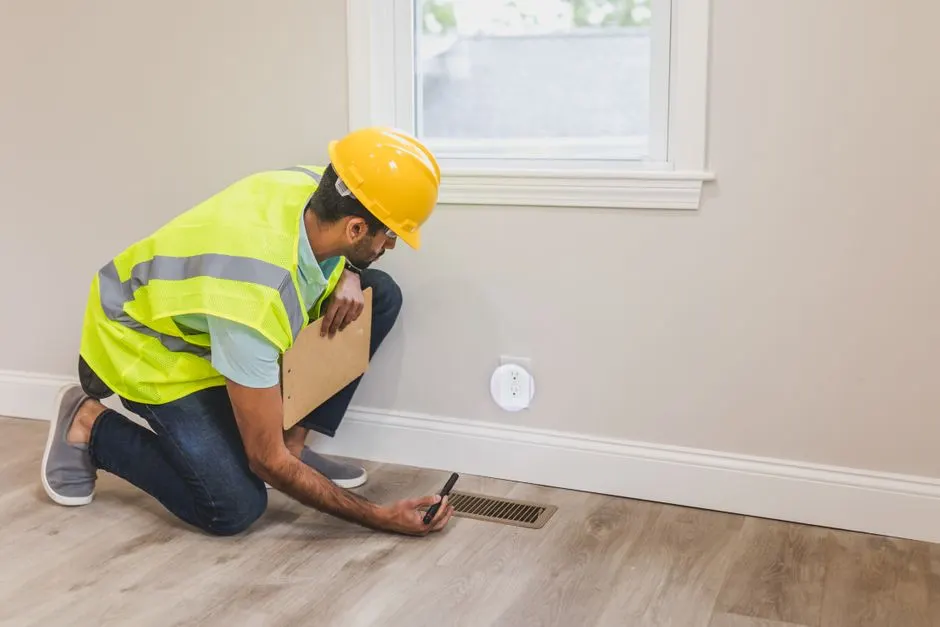
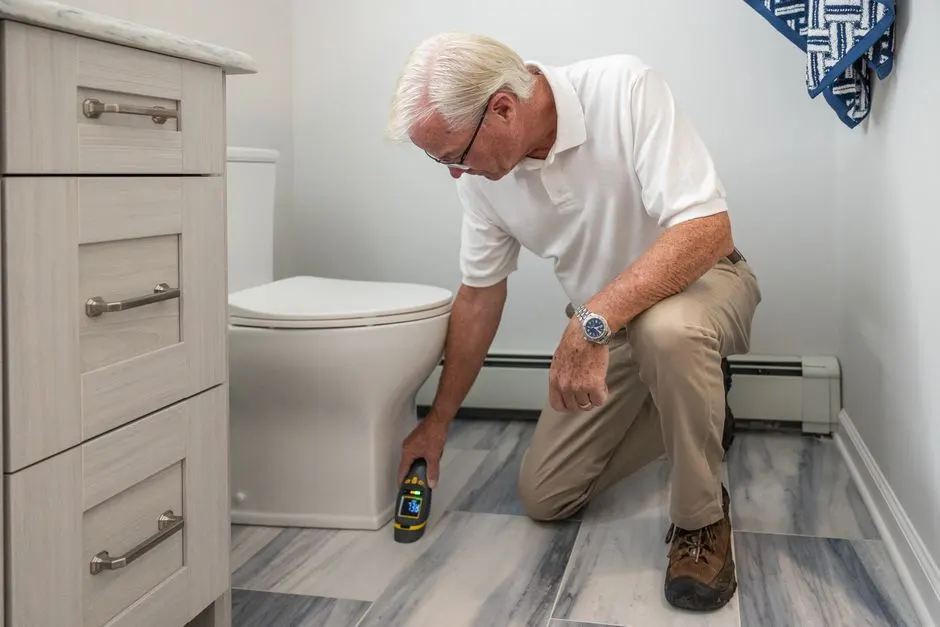
Our work covers Chief Garry Park, Liberty Park, and Altamont, along with residential streets and commercial properties between them. Property conditions change block by block. An older building envelope can conceal a slow leak, while newer infill can have a different ventilation or construction detail to assess. We use a moisture meter and thermal imaging to guide the inspection, then explain whether air or surface sampling is useful. You get findings tied to observed conditions, not a lab result presented without context.

As an independent mold assessment East Central property owners can use for decision-making, our role is to inspect and test, not sell remediation. We document the locations checked, the measurements taken, and the next practical step. If a sample is collected, we explain what it can and cannot establish before the work begins.

  • Locally licensed and insured in East Central
  • Same-day diagnostics and written estimates
  • Real workmanship warranty in writing
  • Background-checked, in-house technicians

East Central Mold Inspection Services

East Central properties need different inspection paths depending on the complaint, the building, and the moisture history. A targeted visit can cover a suspected wall leak, a damp crawl space, attic condensation, or indoor air concerns after visible growth has been addressed. If you need affordable mold inspection and testing in East Central WA, we first clarify the decision you need to make, then match the inspection and sampling plan to it. We serve residential owners, landlords, buyers, and commercial operators across the neighborhood.

Mold Inspection

Mold Inspection

We inspect reported areas in East Central homes and businesses, including ceilings below plumbing, basement walls, and window or roof transitions. You show us the odor, staining, or leak history; we check accessible surfaces and moisture conditions, then explain what needs attention. The result is a focused assessment rather than a guess based on color alone.

View Details
Mold Testing

Mold Testing

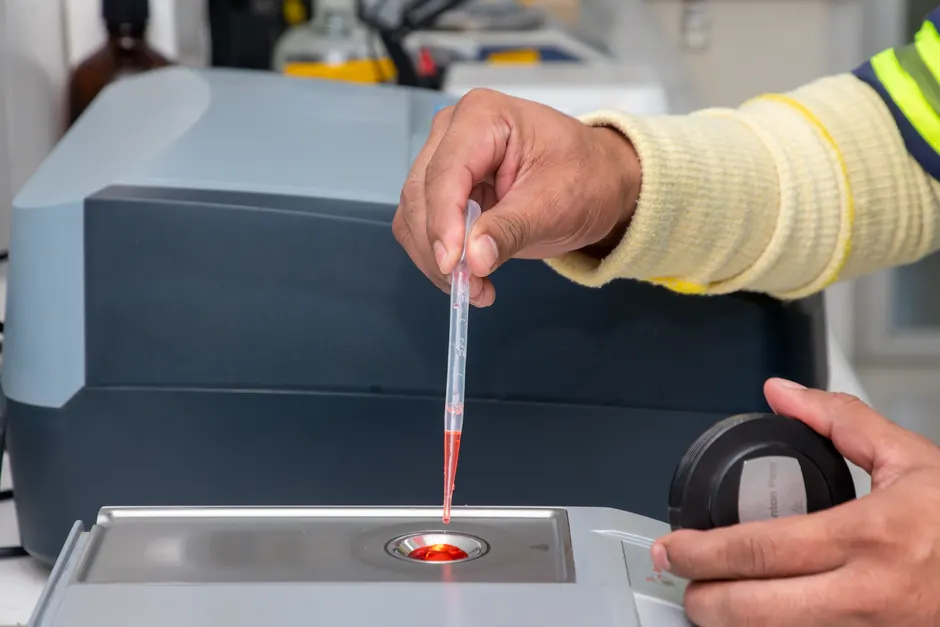
Sampling is useful when it answers a defined question about suspected growth or airborne conditions. In East Central, we select air or surface sampling based on your concern, document where each sample came from, and arrange laboratory analysis. We explain the findings alongside the inspection so you can understand the result in the context of the room and its moisture history.

View Details
Indoor Air Quality Testing

Indoor Air Quality Testing

If occupants notice an ongoing musty odor or indoor air concern, we assess the affected rooms and relevant moisture sources before collecting samples. East Central houses, rentals, and commercial suites can have very different ventilation patterns. We compare appropriate indoor samples with a control location when conditions allow and explain what the findings indicate, without treating a single number as a complete diagnosis.

View Details
Mold Clearance Testing

Mold Clearance Testing

After remediation, clearance testing checks whether the agreed work area is visibly clean and whether sampling results support returning the space to normal use. For East Central projects, we review the treatment boundary and the requested protocol before testing. You receive a clear record of inspected areas, sample locations, and results for your files or project team.

View Details
Post-Remediation Verification

Post-Remediation Verification

We verify completed mold work in East Central properties by inspecting accessible surfaces, checking moisture conditions, and collecting samples when the project protocol calls for them. This is useful after a basement cleanup, a plumbing-related repair, or a contained attic project. We document any remaining concern so you know whether the area is ready for the next repair or occupancy step.

View Details
Moisture Inspection

Moisture Inspection

A moisture inspection follows evidence such as a soft baseboard, a cold damp corner, or a stain that returns after repainting. We use a pin or pinless meter to compare suspect materials with nearby areas and note readings in context. Across East Central, this helps distinguish an active water issue from an old mark before you decide on repairs or sampling.

View Details
Water Damage and Mold Assessment

Water Damage and Mold Assessment

After a leak or water entry, we check affected materials, adjoining rooms, and accessible concealed spaces for moisture conditions that can support growth. East Central properties with aging plumbing or roof exposure need a careful look beyond the first wet spot. We identify the inspection boundary, record conditions, and advise whether targeted sampling can help clarify the next step.

View Details
Residential Mold Inspection

Residential Mold Inspection

For East Central homeowners, we inspect the rooms tied to your concern and follow moisture pathways into adjoining areas when evidence supports it. Older homes may need attention at plumbing penetrations, attic transitions, or basement finishes; newer infill still deserves a site-specific check. We keep the visit practical and explain what is observed, what remains inaccessible, and what action makes sense.

View Details
Commercial Mold Inspection

Commercial Mold Inspection

We assess East Central commercial properties with attention to occupied rooms, service areas, ceiling void access, and the reported impact on operations. You can identify restricted spaces and scheduling needs before arrival. Our findings separate observed moisture or growth from unverified concerns, giving owners and managers a useful record for maintenance planning, remediation coordination, or a transaction file.

View Details
Pre-Purchase Mold Inspection

Pre-Purchase Mold Inspection

A pre-purchase inspection helps you investigate visible staining, musty odors, or a disclosed leak before making a property decision. In East Central, we consider the building's age, accessible basement or crawl space, and attic conditions rather than relying on a surface walkthrough. You receive a focused account of findings and any recommended follow-up sampling.

View Details
Mold Inspection for Real Estate Transactions

Mold Inspection for Real Estate Transactions

When a transaction raises a mold or moisture question, we inspect the specified concerns and document the conditions at the property on the day of service. East Central buyers, sellers, and representatives can use the report to understand observed areas and the limits of access. If sampling is appropriate, we explain the locations and purpose before collecting.

View Details
Rental Property Mold Inspection

Rental Property Mold Inspection

Landlords and tenants can request an assessment when a leak, recurring dampness, or visible growth needs a clear record. We inspect the reported East Central unit and relevant adjoining areas where access is available, noting moisture readings and observed conditions. A written account helps the parties plan repairs and decide whether further testing is warranted.

View Details
Basement and Crawl Space Mold Inspection

Basement and Crawl Space Mold Inspection

Basements and crawl spaces can hold damp materials, plumbing leaks, or musty air that affects rooms above. We inspect accessible areas in East Central properties, check moisture at suspect materials, and look for water entry or ventilation concerns. If a tight space cannot be safely accessed, we explain the limitation and assess connected areas instead.

View Details
Attic Mold Inspection

Attic Mold Inspection

An attic inspection checks roof sheathing, framing, insulation surfaces, and ventilation clues for condensation or water entry. East Central's cold winters make attic moisture patterns worth investigating when staining or odor appears. We use safe, accessible entry and document the observed area, distinguishing suspected condensation patterns from evidence of an active roof leak.

View Details
HVAC Mold Inspection

HVAC Mold Inspection

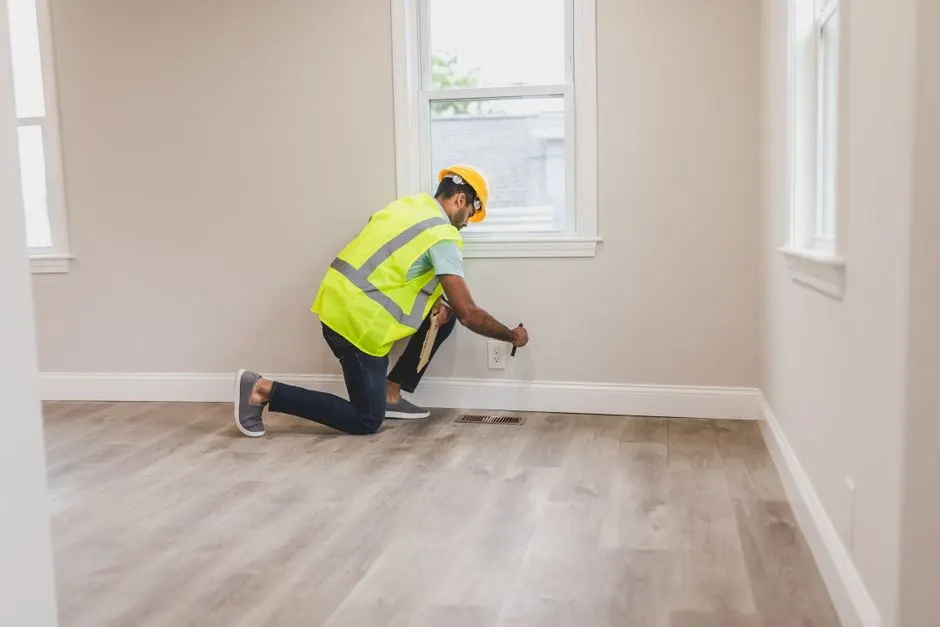
If odor or dust concerns seem connected to heating or cooling, we inspect accessible HVAC components and nearby surfaces for moisture or visible contamination. East Central buildings vary in system layout, so we identify the equipment and locations checked rather than implying that one register represents the entire system. We recommend further testing only when it addresses a specific concern.

View Details
Visible Mold Assessment

Visible Mold Assessment

We assess visible growth by documenting its location, surface, surrounding moisture conditions, and nearby materials. In East Central, a small patch at a ceiling or basement wall can have a larger moisture source behind it. We do not identify mold species by sight; sampling is considered when you need a laboratory result for a particular decision.

View Details
Hidden Mold Investigation

Hidden Mold Investigation

When a persistent odor or water history points behind a finish, we use moisture mapping and targeted inspection to narrow the search. In East Central homes, an inspection may focus on plumbing chases, wall edges, or attic transitions. We use a borescope only where access and conditions make it suitable, and we explain before any invasive opening is considered.

View Details
Mold Sampling

Mold Sampling

We collect samples only when they help answer your question, using documented locations and appropriate collection materials. East Central sampling may involve an air cassette or a surface method based on the visible condition and inspection findings. The laboratory result is interpreted with the site observations, not treated as a stand-alone verdict about the entire building.

View Details
Airborne Mold Spore Testing

Airborne Mold Spore Testing

Airborne testing can help compare spore conditions in a room with a suitable reference location. For airborne mold spore testing in East Central WA, we select sample points based on the complaint, current conditions, and the intended use of the results. We document the sampling setup and discuss what the laboratory report can establish before you rely on it.

View Details
Surface Mold Sampling

Surface Mold Sampling

Surface sampling helps characterize material at a specific location when visual assessment alone cannot answer the question. We use a sterile swab or tape-lift method as appropriate, label the East Central sample location, and submit it for analysis. The finding applies to the sampled spot, so we connect it to nearby moisture evidence and the wider inspection.

View Details

Common East Central Moisture Problems

East Central's mix of older residential buildings, commercial properties, and newer infill creates varied inspection conditions. Cold winters and seasonal snowmelt can contribute to roof and foundation water entry, while aging plumbing and building envelopes can conceal leaks. Property conditions change block by block, so East Central mold inspection and testing starts with the actual water history and material readings. We avoid assigning a cause based on neighborhood alone. A stain, odor, or elevated reading needs to be interpreted alongside where it appears, what is above or behind it, and whether the source is still active.

Hidden mold growth following a slow plumbing leak

A small leak inside a wall or under a fixture can wet framing and finish materials without leaving a large puddle. Older plumbing and patched areas make leak history especially important. Moisture may continue after a visible drip stops if insulation or adjacent materials remain damp.

Attic condensation and mold concerns during cold weather

Warm indoor air can reach cold attic surfaces when air sealing or ventilation conditions are imperfect. In cold weather, condensation may appear on sheathing and framing. Roof leaks can create similar staining, so the location, pattern, and moisture readings matter before assigning a cause.

Basement and crawl space moisture after seasonal snowmelt

Snowmelt and rain can test foundation transitions and drainage paths. Lower-level materials may retain moisture after the visible water is gone, especially where storage limits airflow or finishes cover the wall. The exact pattern depends on each property's grading, construction, and maintenance history.

Condensation on cold surfaces and recurring window moisture

Indoor humidity meeting a cold window, exterior wall, or other surface can produce condensation. Repeated wetting can damage trim and support surface growth, but condensation is not the only possible source. Room use, ventilation, temperature, and nearby leaks all affect the assessment.

When to Call for Mold Testing

Call for an inspection when an odor persists after cleaning, a stain returns, a leak has wet building materials, or someone finds visible growth near a plumbing or roof area. In East Central, winter roof entry and spring snowmelt can complicate the source, while older plumbing can leave concealed dampness. If you need mold testing for a home in East Central, Washington, tell us what changed, when it happened, and which rooms are affected. That history helps us decide whether moisture inspection alone is enough or sampling will answer a separate question.

  • Musty odor returns after the room is cleaned

    A recurring odor can point to damp material behind a finish, under flooring, or in a connected space. Cleaning the exposed surface may not resolve the source. If the smell persists, note when it is strongest and which doors, vents, or plumbing areas are nearby; we use those details to guide inspection.

  • Ceiling or wall stain reappears after drying

    A returning stain suggests the material may still be receiving moisture or the original area did not dry fully. In East Central, the source could be plumbing or water entry from above. Prompt moisture checks help separate an active condition from old discoloration and focus the repair investigation.

  • Soft trim or flooring near a plumbing fixture

    Soft or swollen material near a sink, tub, or appliance can indicate prolonged wetting. Mold is not confirmed by softness alone, but concealed moisture deserves attention before finishes deteriorate further. We inspect accessible surfaces and compare meter readings around the reported fixture and adjacent materials.

  • Attic sheathing shows darkened patches or droplets

    Dark marks and visible droplets can reflect roof entry, condensation, or another moisture source. The distinction matters because the corrective work differs. If you can safely observe the attic entrance, report the location and timing; do not disturb suspected growth before the area is assessed.

  • HVAC area carries a persistent earthy smell

    An odor near a return, air handler, or duct opening can come from a damp component or nearby building material. A smell alone does not prove duct contamination. We inspect accessible system areas and the surrounding room, then recommend sampling only if it addresses a specific indoor air concern.

Landmarks That Orient Local Visits

We use familiar East Central landmarks to confirm directions, not to infer a property's mold risk. Liberty Park and the East Central Community Center help orient nearby street locations, while Chief Garry Park is a useful reference for addresses in that part of the service area. Tell us the property entrance, unit, and any parking restrictions when booking. That keeps arrival straightforward and lets us bring the equipment needed for the inspection areas you have identified.

Liberty Park

Liberty Park is a recognizable East Central orientation point. Sharing whether your property is near the park can help clarify the address during scheduling; the landmark itself is not evidence of moisture or mold conditions at a nearby building.

East Central Community Center

The East Central Community Center is a local reference point for confirming directions to nearby properties. We use it only for navigation context and assess each building's materials, water history, and ventilation independently.

Chief Garry Park

Chief Garry Park helps distinguish addresses in its surrounding part of East Central when we confirm a route. It serves as an orientation landmark, not as a reason to assume a property has a moisture problem.

Coverage across East Central & Spokane County

99201992039920299205992049920799208992589922499223990019921299209992109921999220992529925699260

Plus surrounding Spokane County neighborhoods, with same-day routing on most appointments.

East Central Customer Feedback

Averaging 4.9 / 5 across verified reviews.

“We called after a leak left a musty smell in the basement. The inspector checked the affected wall and nearby materials, explained the moisture readings, and told us why a sample was useful in one spot but not throughout the room. The report gave us specific areas to address rather than a vague warning. The visit was clear and practical.”

M

Megan R.

Liberty Park area

“We were preparing to buy a home and had questions about an attic stain. The inspection covered the ceiling and accessible attic space, and the findings distinguished what was visible from what the readings showed that day. We appreciated the straightforward explanation and the notes we could use in our property discussions.”

D

David L.

Altamont

“Our rental had a recurring odor after a plumbing repair. The inspector checked the room, adjoining wall, and the reported leak area, then explained the options for targeted testing. We received a useful account of the findings and a clear next step for coordinating repairs with the property manager.”

R

Rachel T.

Chief Garry Park area

Seasonal Mold Inspection Considerations

As November brings colder conditions, East Central property owners should watch for roof moisture, indoor condensation, and plumbing leaks that become harder to notice behind finished surfaces. Winter is a useful time to document new stains or persistent odors; spring snowmelt can expose foundation and roof entry that was not obvious during freezing weather. Summer and fall bring different ventilation, rain, and maintenance concerns. If you need airborne mold spore testing in East Central WA, we consider current indoor conditions and the reason for sampling so results are tied to the right question.

Spring

Snowmelt and spring rain can reveal roof transitions, foundation entry, or lower-level dampness. Water marks may appear after the surface has dried, and crawl spaces can retain moisture. A new stain should be compared with the timing of thaw and any plumbing work.

Tip: Check accessible basement and attic areas after a melt period, and photograph new staining before repainting. If materials remain damp, schedule a moisture inspection so the source can be investigated while conditions are visible.

Summer

Warmer weather can expose musty odors when a basement or crawl space stays damp, while closed windows and air conditioning change indoor humidity patterns. HVAC concerns should be assessed at accessible equipment and nearby surfaces rather than inferred from a single register.

Tip: Keep a short record of when odors appear and which rooms are affected. If you find visible growth, avoid disturbing it and arrange an assessment that checks the moisture source as well as the surface.

Fall

Rain and cooler nights can reveal weak roof or window transitions before winter. Leaves and stored items can also make exterior drainage or lower-level access harder to inspect. An odor that returns after summer drying deserves attention before the heating season begins.

Tip: Clear access to the reported wall, attic hatch, or basement area before an appointment. Address known leaks promptly, and keep repair records so the inspection can distinguish a resolved event from continuing moisture.

Winter

Cold surfaces and indoor humidity can contribute to condensation on windows, exterior walls, and attic sheathing. A frozen or leaking pipe can wet concealed materials quickly. Distinguishing condensation from roof or plumbing entry requires site observations and moisture readings.

Tip: After a leak, stop the water and contact a qualified repair or restoration provider. Photograph the affected area, note the time and rooms involved, and arrange an assessment once access is safe.

Mold Inspection and Testing East Central FAQs

Real answers from our team for the questions we hear most often before a job starts.

How much does mold inspection and testing cost in East Central?
A focused residential inspection is commonly $250-$550 in 2026, and a visit usually takes 1.5-3 hours. Larger properties, multiple areas, or laboratory samples increase the price. We give upfront pricing before work proceeds. If you need affordable mold inspection and testing in East Central WA, tell us the property type, affected rooms, and whether sampling is part of your concern so we can match the service to the question.
Where can I find a mold inspector near me in East Central WA?
Spokane Mold Testing serves East Central, including addresses in ZIP codes 99202 and 99212. Call +18668968166 with your street, the affected area, and the reason for inspection so we can plan the right visit. A same-day mold inspector near East Central may be available depending on the route. We inspect homes and commercial properties across the area and document conditions specific to your building.
What does mold testing include for homes in East Central?
Home mold testing starts with an inspection of the reported concern, moisture conditions, and accessible connected areas; sampling is added when it answers a defined question. We may collect an air or surface sample, label its location, and submit it for laboratory analysis. For mold testing for a home in East Central, Washington, we explain what the result represents and interpret it alongside the inspection findings rather than treating one sample as a verdict on the whole house.
How do I choose a mold inspection company serving East Central?
Choose a company that checks moisture sources, explains why sampling is useful, documents access limits, and gives findings tied to your property. Ask whether inspection and remediation are separate services and how laboratory results will be explained. An independent mold assessment near me in East Central should distinguish observed facts from assumptions and tell you what was checked, where samples came from, and what action follows.
When should I schedule mold inspection after a water leak in East Central?
Arrange an assessment once the leak is stopped and the affected area is safe to access; do not wait for visible growth if materials remain wet or odor persists. We record the leak history, inspect affected and connected materials, and check moisture conditions. For a significant active water loss, contact an emergency repair or restoration provider first, then schedule testing or verification as the site conditions allow.

Book Mold Inspection and Testing in East Central

If a leak, persistent odor, or visible growth has you concerned, call Spokane Mold Testing to discuss an inspection in East Central. We check moisture conditions, explain whether sampling fits your question, and document findings for your next step. Call +18668968166 to request service for a home, rental, or commercial property in the neighborhood.

Call for Inspection Send a Message

Contact Spokane Mold Testing

Tell us what happened, where you noticed the odor or staining, and whether water entered the property. Call +1 866-896-8166 to speak with Spokane Mold Testing about an inspection or testing question. Our listed business hours are Monday through Friday, 8:00 a.m. to 6:00 p.m.; if a leak is active, call promptly and describe the conditions.

Or call us right now at +18668968166 — we answer.

Spokane Mold Testing


  • Phone

    +18668968166
  • Address

    Spokane, Washington

  • Hours

    Mon–Fri: 7AM – 7PM
    Sat: 8AM – 4PM
    Sun: Emergency Only
    24/7 Emergency Available

Call +18668968166 Get Quote
Call Quote