Logo
Get Estimate

Rental Property Mold Inspection Spokane WA

Clear findings for landlords, tenants, and property managers


Rental Property Mold Inspection Spokane WA helps landlords, tenants, and property managers identify visible mold, hidden moisture, and likely sources before a small leak becomes a larger repair. We inspect the affected rooms, check moisture conditions, and explain whether sampling is useful. If you are dealing with a musty odor, a plumbing leak, or a tenant report, our Spokane team gives you practical findings you can use to plan the next step.

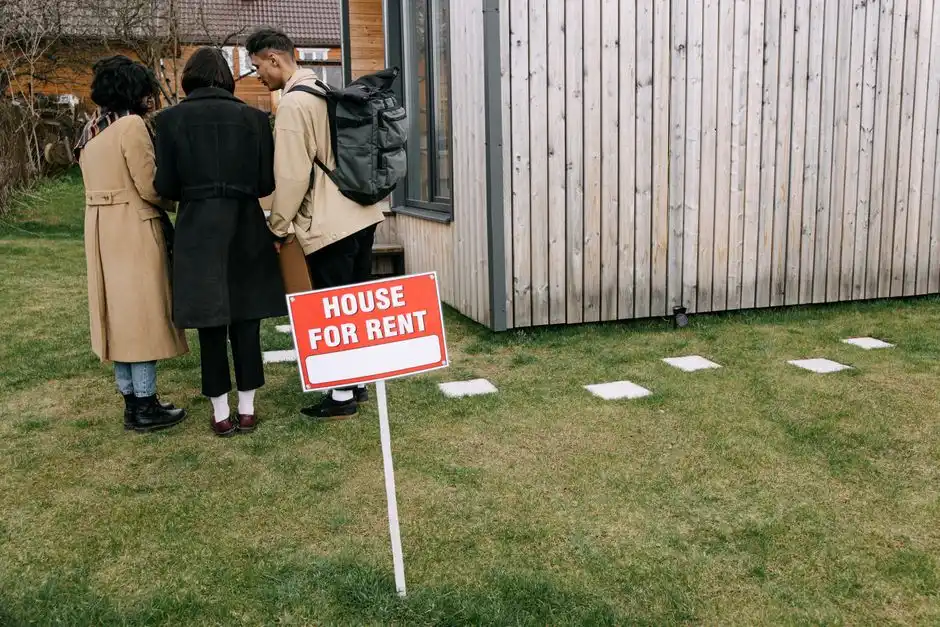
Group of adults viewing a wooden house with a 'House for Rent' sign on the lawn.
Licensed Licensed & Bonded
Fully Insured Insured & Bonded
24/7 Emergency Same-Day Response
Warranty Backed Workmanship Guaranteed in Spokane

What's Included in a Rental Inspection

The inspection covers a visual review of reported and related areas, moisture checks on accessible materials, and documentation of relevant conditions. We explain whether targeted sampling would answer a useful question and discuss the next action based on findings. Laboratory analysis, invasive opening of finishes, and repair or remediation work are separate services arranged according to the property's needs.

Reported-Area Review

We inspect the room identified by the tenant or property manager, then check nearby surfaces that could share a moisture pathway. That may include the other side of a wall, a ceiling below plumbing, or flooring beside an appliance. You receive a record of locations and visible conditions.

Moisture Measurements

We measure suspect building materials and compare readings with nearby areas to identify patterns that deserve attention. Temperature and humidity readings help explain condensation risk. Measurements are tied to specific locations, so you can connect the findings to a leak, damp surface, or recurring odor.

Sampling Guidance

We explain when air or surface sampling could clarify the concern and what each sample can and cannot tell you. If selected, samples are collected using a method suited to the question and identified by location. Lab analysis is not automatically required for every visible mold or moisture issue.

Actionable Findings

We summarize observed concerns and the next practical step, such as stopping an active leak, drying materials, arranging remediation, or monitoring a dry area. You can use the information to coordinate maintenance and communicate clearly with occupants. The report distinguishes direct observations from conclusions that need further investigation.

Rental Property Mold Inspection Spokane WA


Rental Property Mold Inspection Spokane WA is a property condition inspection that locates visible and suspected mold, checks moisture sources, and documents findings when a rental home has dampness, water damage, or an indoor air concern. We examine reported rooms and adjacent areas, look for staining and material damage, and use moisture readings to guide the investigation. When testing is appropriate, we collect targeted samples rather than treating a laboratory result as a substitute for locating the water source. You receive a clear account of observations and recommended next steps.

Spokane's cold winters, seasonal thaw, and older housing can expose leaks, condensation on cold surfaces, basement moisture, and attic ventilation problems. A Spokane rental property mold inspection is useful after a plumbing failure, roof leak, or recurring musty odor, especially when occupants and owners need a shared record of conditions. For a mold inspection for a Spokane rental property, we connect visible evidence with moisture readings and explain which areas need attention. That helps you decide whether drying, repair, cleaning, or additional sampling is warranted.

What to Expect During Inspection

Rental property inspections begin with the reported concern and the property history, then move through a targeted visual and moisture investigation. Most visits take about 1.5 to 3 hours, depending on access, room count, and the extent of water damage. We explain each step as we work, so you know what is being checked and why.

01

Schedule

Call or book online — a real human picks up and confirms a 2-hour arrival window.

02

Diagnose

Licensed tech inspects on-site, then walks you through the cause and your options.

03

Fix

The job is completed to code and done right the first time — no shortcuts, no surprises.

04

Guarantee

Every job backed by a written workmanship warranty — and we stand behind it.

Inspection Tools and Methods

Tools & Equipment

FLIR Infrared Thermal Camera

A thermal camera highlights temperature patterns that may indicate a wet area or cold surface. We treat the image as a screening clue and verify suspect locations with direct inspection or moisture readings.

Tramex Moisture Meter

A pin and pinless moisture meter checks suspect materials and compares them with nearby areas. The readings help map dampness in drywall, wood, or other accessible surfaces without relying on appearance alone.

Thermo-hygrometer

This instrument records indoor temperature and relative humidity. We use those values to assess condensation conditions and explain why cold windows, exterior walls, or poorly ventilated rooms may collect moisture.

Air Sampling Pump

An air sampling pump draws a measured volume of air through a collection cassette when airborne sampling is warranted. Sample location and conditions are recorded so laboratory results can be considered in context.

Spore Trap Cassette

A spore trap cassette captures airborne particles for laboratory examination. We use it only when the inspection identifies a question that an air sample can help address, rather than as a routine substitute for moisture investigation.

Methods & Standards

Moisture-Source Tracking

We begin at the reported stain, odor, or visible growth and follow likely water pathways through accessible materials. Readings are compared with nearby areas, and temperature and humidity help assess condensation. The goal is to identify a practical source or narrow the area needing further access.

Targeted Air Sampling

When airborne sampling is appropriate, we select locations based on the concern and collect samples using a consistent method. A comparison location can help interpret the affected room, but no single sample represents an entire building. We explain the laboratory result alongside inspection conditions and moisture findings.

Surface Sampling

A swab or tape-lift collection can examine a defined surface when identifying material is relevant to the decision. We document the exact location and condition, use clean collection materials, and avoid sampling every visible area without a reason. The result informs the investigation but does not locate the water source.

Standards-Informed Assessment

We use applicable concepts from ANSI/IICRC S520 and S500 to frame mold and water-damage observations. These standards guide professional practice, but the inspection remains specific to the property and task. We explain observed conditions and practical follow-up rather than presenting a standard as a guarantee of a particular outcome.

When to Schedule an Inspection

01

A tenant reports a musty smell in a South Hill apartment after a winter freeze and pipe repair.

What we do: We check the repaired line's surrounding materials, the wall finish, and nearby flooring for remaining moisture. We also inspect the area below or beside the leak if accessible. If a sample is useful, we explain the question it will answer before collecting it.

→ The owner gets a documented view of affected materials and a clear direction for drying, repair, or additional investigation.

02

A landlord sees ceiling staining in a Downtown Spokane unit after snowmelt and a roof repair.

What we do: We inspect the stain and nearby ceiling surfaces, check for moisture, and review accessible attic conditions when relevant. The findings help distinguish an active roof entry from an old, dry mark. We explain whether monitoring or further evaluation is appropriate.

→ The property manager can coordinate roof follow-up and address interior materials based on measured conditions rather than appearance alone.

03

A rental home has recurring bathroom mold-like growth despite regular surface cleaning.

What we do: We examine the affected finish, nearby plumbing, ventilation conditions, and adjacent materials for moisture clues. We look for a repeat source, such as a slow leak or persistent condensation, and explain whether surface sampling would add useful information.

→ You receive a practical source-focused plan, reducing the chance that cleaning is repeated while dampness remains unresolved.

04

A property manager needs an independent record after cleanup in a West Central rental.

What we do: We review the agreed work area, look for visible residue and remaining moisture, and compare conditions with the project goals. When clearance sampling is appropriate, we collect targeted samples and explain the laboratory process and its limits.

→ The manager receives documented observations to support the next occupancy decision and any follow-up maintenance.

How Rental Inspections Work in Spokane

Rental Property Mold Inspection Spokane WA accounts for cold-season condensation, freeze-related plumbing leaks, spring thaw, and older homes with basements or crawl spaces. In November and through winter, cold exterior walls and windows can collect moisture when indoor humidity stays high; a leak behind a bathroom wall can create a different pattern. Our Spokane rental property mold inspection checks the reported unit and accessible connected spaces, including attic areas when roof staining is involved. We record temperature, humidity, and material moisture readings, then explain which findings point toward active water intrusion or chronic dampness. A tenant mold inspection in Spokane, Washington also needs clear communication: we identify the affected room and explain what access is useful. We serve Spokane County and work across varied housing, from older central neighborhoods to newer apartments. ZIP coverage includes 99201, 99202, and 99207. We do not infer mold species from color or treat a thermal image alone as proof; direct observations and appropriate measurements guide the conclusions.

Neighborhoods We Serve

  • South Hill

    Older homes and multi-unit properties can show winter condensation on cold exterior surfaces. We compare affected trim or wall areas with nearby materials to help separate condensation from a plumbing leak.

  • Downtown Spokane

    Apartment buildings can have shared plumbing routes and adjoining units. We focus on the reported room and accessible neighboring surfaces, documenting where staining or moisture readings appear.

  • West Central

    Older housing may include basements, crawl spaces, or prior repair layers that affect moisture pathways. We check accessible areas and explain when further access is needed to resolve a hidden concern.

  • Northwest Spokane

    Roof and exterior-wall concerns can follow seasonal rain or snowmelt. We assess interior staining and accessible attic clues to help identify whether water entry appears active or historical.

Local Conditions We Plan For

  • Cold-weather condensation on exterior walls and window assemblies

    Repeated condensation can wet paint, trim, and nearby furnishings. We record room humidity and check suspect materials, then explain whether ventilation and surface temperature fit the observed pattern or whether another water source needs investigation.

  • Freeze-related plumbing leaks followed by delayed wall drying

    A repaired pipe does not mean surrounding materials are dry. We check accessible drywall, flooring, and adjacent surfaces for remaining moisture so owners can arrange drying and repair before finishes conceal the affected area.

  • Basement dampness after seasonal thaw or water intrusion

    Moisture in a basement or crawl space can create persistent odor and affect rooms above. We inspect accessible surfaces, document dampness, and explain whether plumbing, drainage, or further building evaluation should be prioritized.

Bedroom Leak, Clear Repair Plan

Before

A tenant in a Spokane rental reported a musty bedroom odor several weeks after a small plumbing leak. The visible stain had been painted, but the odor returned. The landlord had no moisture readings or record of how far the original leak reached, leaving uncertainty about whether the wall was dry.

After

The inspection documented the stain location and elevated moisture at the lower wall, with nearby comparison readings within the instrument's dry reference range. The findings directed the owner to reopen the affected section and complete drying before refinishing. The report separated measured conditions from suspected concealed growth.

Maintenance: After repair, the owner should confirm the source is stopped and recheck the repaired area after drying. Keep the leak and drying records with the unit's maintenance file, and ask occupants to report a returning odor or fresh staining promptly.

Before

An apartment tenant wiped moisture from bedroom windows each morning and noticed dark spotting on nearby trim. The owner was unsure whether a roof leak or mold behind the wall was responsible. No one had recorded indoor humidity or checked whether other cold surfaces showed the same pattern.

After

The inspection found condensation on cold window surfaces and damp trim, while adjacent wall readings did not show the same moisture pattern. Room temperature and relative humidity helped explain the condition. The owner received a focused plan for drying the trim, addressing moisture management, and monitoring the area.

Maintenance: Keep the trim dry, avoid blocking airflow against the window, and monitor the surface during cold weather. If staining spreads or a leak appears, arrange a follow-up inspection rather than covering the area with new paint.

Before

A property manager received repeated odor complaints from a ground-floor rental with a basement below. There was no standing water, but stored items felt damp and the smell intensified after thaw. The owner needed to know whether the issue was limited to the basement or had reached occupied rooms.

After

The inspection documented damp conditions in an accessible basement area and checked the floor and wall surfaces above. Findings gave the manager a defined area for moisture-source follow-up and a record of conditions in the rental. No conclusion about unseen materials was made without direct evidence.

Maintenance: Keep stored items off damp surfaces, check the basement after thaw, and address any water entry promptly. Recheck previously affected materials after source control so lingering moisture does not remain hidden behind stored belongings.

Solve Rental Musty Odor Problems

A tenant complaint can point to a hidden leak, condensation, or an old water event that was never fully dried. Rental Property Mold Inspection Spokane WA follows the evidence rather than guessing from odor alone. We check affected and adjacent materials, identify moisture concerns, and explain what to do next.

Problem

Musty bedroom odor returns after surface cleaning and fresh paint.

Covering the odor without finding damp material can leave a leak or concealed growth active, leading to recurring complaints and repeated repair costs.

Our Fix

We inspect the room and adjoining surfaces, check moisture patterns, and look for likely routes from plumbing, windows, or exterior walls. A rental home inspector for musty odors Spokane renters and owners can use should explain whether the source is supported by evidence and whether targeted access or sampling is warranted.

Problem

Water staining appears below a bathroom or kitchen plumbing line.

A slow leak can keep drywall, cabinet backs, or subfloor materials damp long after the visible drip stops, allowing damage to spread beyond the first stain.

Our Fix

We document the stain, measure accessible materials, and check nearby surfaces for a moisture pattern. Findings help direct the owner toward plumbing repair and drying before cleanup. If the area is concealed, we explain what additional access would reveal rather than claiming a hidden condition without evidence.

Problem

Winter condensation forms on cold windows and exterior walls.

Repeated wetting can damage paint and trim and create conditions that support mold growth, especially where furniture restricts airflow along cold surfaces.

Our Fix

We check affected surfaces and room humidity, then explain how temperature and ventilation relate to the observed condensation. The inspection distinguishes a recurring moisture condition from a plumbing leak and identifies which areas need drying, monitoring, or building maintenance.

Problem

A basement odor persists despite no obvious standing water.

Damp masonry, crawl space moisture, or a concealed plumbing issue can affect stored belongings and contribute to odor moving into occupied rooms.

Our Fix

We inspect accessible basement or crawl space areas for moisture evidence, staining, and odor pathways. A moisture meter and visual checks help narrow the source. We then explain whether drainage, plumbing, or further evaluation should be prioritized for the rental.

Clear Findings, Practical Next Steps

Clear Findings, Practical Next Steps

A useful inspection gives you more than a yes-or-no answer. We document what we can see, identify moisture clues, and explain which findings matter for the rental. You can use the report to coordinate repairs, discuss concerns with occupants, or determine whether further evaluation is needed.

  • Find Moisture Sources

    Our inspection follows water stains, damp materials, and musty odors toward likely sources instead of focusing only on the visible patch. A pin and pinless moisture meter helps compare affected drywall, trim, or flooring with nearby materials. You get a practical picture of what is wet, where the pattern continues, and what should be checked next.

  • Document Room Conditions

    We record affected locations, observed materials, and relevant moisture conditions so landlords and tenants can discuss the same facts. If a rental mold assessment Spokane WA needs laboratory sampling, we explain the sampling purpose and collect a targeted sample. Results are interpreted alongside the inspection, not used alone to claim a building is safe or unsafe.

  • Reduce Guesswork

    A musty smell can come from a damp cabinet, a concealed leak, or a basement and crawl space moisture issue. We check likely pathways and adjacent surfaces before recommending a response. That helps you avoid paying for broad testing that does not answer the actual question or cleaning materials while the water source remains active.

  • Support Better Decisions

    You receive findings that help determine whether a plumber, roofer, remediation contractor, or property manager should take the next action. We distinguish observed conditions from items needing further access or testing. For example, a damp wall with elevated readings calls for source investigation; a dry, clean surface may need monitoring rather than immediate sampling.

Inspection Standards and Evidence

Licensed & Certified

  • IICRC Applied Microbial Remediation Technician — issued by Institute of Inspection, Cleaning and Restoration Certification
  • ACAC Council-certified Microbial Consultant — issued by American Council for Accredited Certification
  • ACAC Council-certified Indoor Environmentalist — issued by American Council for Accredited Certification
  • EPA Mold Course Certificate — issued by U.S. Environmental Protection Agency

Verified Reviews

Customer feedback ★★★★★5.0

The inspector checked the bathroom leak and the room next to it instead of stopping at the visible stain. We received moisture readings and a direct explanation of what needed repair. That gave us a useful record for the rental file and helped us coordinate the next step with the property manager.

Customer feedback ★★★★★5.0

Our tenant had noticed a musty smell for months. The inspection focused on the basement and the floor above, and the findings identified dampness that we had not seen. The explanation was clear, including what the measurements showed and what still needed follow-up.

Customer feedback ★★★★★5.0

We needed a straightforward inspection after water came through the ceiling. The inspector documented the affected area, checked nearby materials, and explained why the old stain alone did not prove the ceiling was still wet. The next actions were clear, and we could plan repairs with better information.

Rental Inspection Expertise

Rental housing requires careful documentation and a clear separation between what is observed and what is inferred. Our Spokane technicians investigate moisture patterns, visible growth, and building conditions without turning a single sample into a sweeping conclusion. We use field measurements to direct the inspection and explain when an independent laboratory result can add value. Our work draws on applicable guidance such as ANSI/IICRC S520 for professional mold remediation and S500 for water damage restoration, while keeping the inspection focused on the property's actual conditions.

  • We connect reported odors, leaks, and visible staining with moisture checks across affected and comparison areas.
  • Our technicians use FLIR thermal imaging as a screening aid, then verify suspect patterns with direct moisture measurements.
  • We explain the limits of air and surface sampling, including why one sample cannot represent every room or material.
  • Findings distinguish observed mold-like growth, water damage, dampness, and areas that need further access.
  • We coordinate clear, practical information for landlords, tenants, and property managers handling a reported concern.
Get Started Today
Rental Inspection Expertise

Rental Mold Inspection Questions

Real answers to the questions we hear most often from local homeowners and property managers.

Who can inspect a rental property for mold in Spokane?
A qualified mold inspection professional can inspect a Spokane rental, document visible conditions, measure moisture, and recommend targeted testing when useful. Ask for a written record of inspected areas, methods, and findings. Spokane Mold Testing evaluates the reported concern and adjacent areas, then explains what the evidence supports. A mold inspection does not replace repairs or remediation, and laboratory sampling is a separate analytical step when selected.
Where can tenants find a mold inspector near me in Spokane WA?
Tenants in Spokane can contact Spokane Mold Testing at +18668968166 to arrange an inspection of a reported rental concern. We serve Spokane neighborhoods and document conditions such as water staining, damp materials, and musty odors. A tenant mold assessment near me in Spokane WA should identify the concern's location and likely moisture pathway; coordinate access with the property owner or manager so the inspector can examine affected areas.
What should landlords do after a tenant reports mold?
Respond promptly, document the report, investigate the moisture source, and arrange a qualified inspection when conditions warrant it. Check for active leaks first; ongoing water intrusion can continue damaging materials while surface cleaning only hides evidence. Our inspection records observations and moisture readings, then explains whether repair, drying, remediation, or targeted sampling is the logical next step. Keep communication factual and retain maintenance records.
How much does an apartment mold assessment cost?
An apartment mold assessment in Spokane commonly costs about $250 to $650 for a focused inspection, with sampling or larger properties increasing the total. The final price depends on room count, access, suspected hidden growth, and the number and type of samples. Rental property mold inspection cost Spokane WA is discussed upfront before work begins. A visual and moisture investigation can answer many questions without laboratory sampling.

Related Spokane Property Services

Mold Inspection

A general mold inspection examines visible growth, water damage, and moisture conditions throughout a Spokane property. For a rental, we focus on the reported unit and connected areas, documenting where concerns appear and what should be addressed before you decide whether sampling or remediation is appropriate.

View Mold Inspection

Mold Testing

Mold testing can add laboratory information when the inspection raises a specific question about airborne or surface particles. We select sampling locations based on the reported concern, collect samples using the appropriate method, and explain that results support-not replace-the assessment of moisture and building conditions.

View Mold Testing

Indoor Air Quality Testing

Indoor air quality testing evaluates airborne conditions when occupants report persistent odors or respiratory concerns and a focused investigation is warranted. In a rental, we relate measurements to room use, ventilation, and moisture findings, helping you distinguish a specific sampling question from a broader building-performance issue.

View Indoor Air Quality Testing

Mold Clearance Testing

After remediation, clearance testing can assess whether the defined work area meets the agreed post-cleaning criteria. We inspect the area and use appropriate sampling when the project calls for it. Rental owners can use the findings to document the condition after cleanup before the space returns to normal use.

View Mold Clearance Testing

Post-Remediation Verification

Post-remediation verification checks completed work against the affected areas and project goals. We look for remaining visible debris, moisture, or conditions that need attention, and discuss sampling when appropriate. This service gives Spokane property managers a documented check after mold cleanup rather than relying only on the contractor's completion statement.

View Post-Remediation Verification

Moisture Inspection

A moisture inspection locates damp building materials and helps trace leaks, condensation, or water intrusion. In rental housing, we compare suspect areas with nearby surfaces and record relevant readings. Finding the source early helps prevent repeated staining and reduces the chance that a tenant's musty-odor complaint keeps returning.

View Moisture Inspection

Book Rental Property Mold Inspection Spokane WA

A reported leak, recurring musty odor, or visible growth deserves a clear inspection plan. Call Spokane Mold Testing to discuss the property, arrange access, and get upfront pricing before the inspection. Our Spokane team will document the conditions and explain the next practical step.

Call Today Book Inspection

Contact Spokane Mold Testing

Tell us what happened, where you noticed the odor or staining, and whether water entered the property. Call +1 866-896-8166 to speak with Spokane Mold Testing about an inspection or testing question. Our listed business hours are Monday through Friday, 8:00 a.m. to 6:00 p.m.; if a leak is active, call promptly and describe the conditions.

Or call us right now at +18668968166 — we answer.

Spokane Mold Testing


  • Phone

    +18668968166
  • Address

    Spokane, Washington

  • Hours

    Mon–Fri: 7AM – 7PM
    Sat: 8AM – 4PM
    Sun: Emergency Only
    24/7 Emergency Available

Call +18668968166 Get Quote
Call Quote