Logo
Get Estimate

Moisture Inspection Spokane WA for Hidden Leaks

Find damp materials before damage spreads through your home


Moisture Inspection Spokane WA helps homeowners, buyers, landlords, and property managers find the source of dampness before repairs grow. Our Spokane team checks visible staining, musty odors, plumbing areas, basements, crawl spaces, and attics with moisture meters and thermal imaging. A Spokane moisture inspection gives you useful readings and clear next steps when a leak, condensation, or lingering damp spot is putting your property at risk.

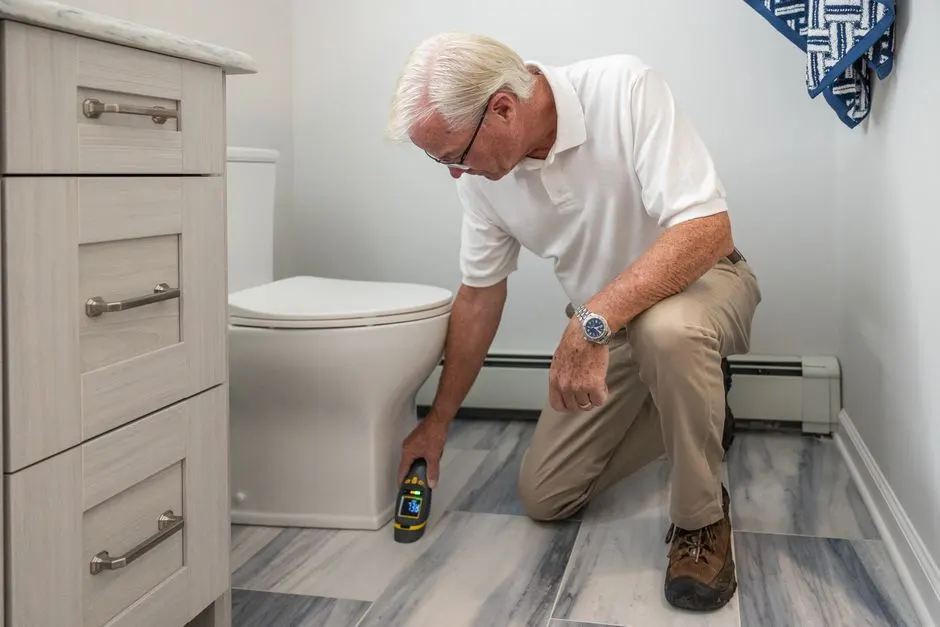
A senior man using a device to inspect a bathroom for maintenance or repair.
Licensed Licensed & Bonded
Fully Insured Insured & Bonded
24/7 Emergency Same-Day Response
Warranty Backed Workmanship Guaranteed in Spokane

What Your Moisture Inspection Includes

Your visit includes a discussion of the reported symptoms, a visual review of accessible areas, comparative moisture readings, and an explanation of likely water pathways. We document relevant observations and practical next steps. Mold sampling, laboratory analysis, destructive openings, and repair work are separate services because they answer different questions or require different trades. We explain those distinctions before recommending follow-up.

Symptom and history review

We ask when you first noticed the stain, odor, or dampness and whether it changes after rain, plumbing use, or cold weather. That history helps us focus the inspection on likely sources and select useful comparison areas rather than checking surfaces at random.

Visual condition check

We inspect accessible surfaces near the reported concern for staining, swelling, peeling finishes, condensation, and visible mold-like growth. We also note conditions such as blocked access or stored items that limit what can be evaluated during the visit.

Instrument readings

We use suitable moisture meters to compare suspect materials with nearby reference points. Thermal imaging can help locate patterns that need verification, while direct readings provide material-specific context. We explain the results without treating a single reading as a diagnosis.

Findings and next steps

We review the locations checked, observations, readings, and likely priorities with you. Recommendations may include repairing a leak, improving drainage or ventilation, drying affected materials, or arranging separate mold testing when that answers a distinct concern.

Moisture Inspection Spokane WA Explained


Moisture Inspection Spokane WA is a building diagnostic service that locates abnormal moisture in materials and helps identify likely water sources before repairs are planned. We inspect accessible rooms and building areas, compare readings across suspect and dry surfaces, and look for staining, swelling, condensation, and musty odors. A pin and pinless moisture meter checks materials directly, while an infrared thermal camera helps identify temperature patterns that deserve closer testing. Readings are interpreted in context; a cool surface alone does not prove a leak.

Spokane County properties face a mix of winter freeze-thaw cycles, spring runoff, summer irrigation, and indoor condensation during cold weather. A roof leak after a storm, a slow supply-line drip, or basement and crawl space moisture can stay concealed behind finishes. Our moisture assessment Spokane WA service follows the signs to likely sources and documents affected areas. If you need to find hidden moisture in walls Spokane, we explain what readings show and whether further investigation is warranted.

What to Expect During Inspection

Moisture Inspection Spokane WA starts with the signs you have noticed and ends with documented findings you can act on. We work through the property methodically, tell you what we are checking, and explain readings as we go. Most visits take about 1 to 3 hours; larger or more complex properties require more time.

01

Schedule

Call or book online — a real human picks up and confirms a 2-hour arrival window.

02

Diagnose

Licensed tech inspects on-site, then walks you through the cause and your options.

03

Fix

The job is completed to code and done right the first time — no shortcuts, no surprises.

04

Guarantee

Every job backed by a written workmanship warranty — and we stand behind it.

Tools and Inspection Methods

Tools & Equipment

FLIR infrared thermal camera

We use thermal imaging to identify temperature patterns that may help target further checks around ceilings, windows, and plumbing routes. A thermal image is not a moisture reading by itself, so we verify relevant areas with suitable direct measurements.

Tramex moisture meter

A pinless meter helps scan compatible building surfaces for relative moisture patterns without making small pin holes. We compare suspect locations with nearby reference areas and select direct testing when material-specific confirmation is useful.

Protimeter pin moisture meter

A pin meter measures moisture at contact points in suitable materials, helping us compare damp-looking areas with adjacent surfaces. We explain the material and measurement context so you understand what the reading does and does not establish.

Thermo-hygrometer

This instrument records air temperature and relative humidity during the inspection. Those readings add context when condensation on cold surfaces or indoor humidity may contribute to dampness, especially during Spokane's heating season.

Borescope

Where an existing opening permits safe access, a borescope can help view a limited cavity without removing a broad section of finish. It is a targeted visual aid, not a substitute for opening materials when direct access is necessary.

Methods & Standards

Comparative moisture mapping

We take readings at the reported location and compare them with nearby areas of similar material. That pattern is more useful than interpreting a single number without context. We record where readings change and connect those differences with visible staining, building layout, and the history you report.

Thermal pattern verification

We scan for temperature differences that could help locate a concealed pathway or damp area, then verify relevant spots using a moisture meter. Thermal patterns can also result from insulation gaps, air movement, or other conditions, so we do not label them as leaks without supporting evidence.

Water-damage context review

We consider the affected material, likely duration, and potential spread when reviewing water damage. ANSI/IICRC S500 provides a professional reference for water damage restoration, while a moisture inspection identifies conditions and supports decisions about drying or repair rather than performing restoration itself.

Separate mold evaluation when warranted

Moisture evidence can help select locations for a mold inspection or sampling plan, but it cannot confirm mold species. When mold concerns remain, we explain the separate evaluation options and how ANSI/IICRC S520 relates to professional mold remediation practices.

When to Schedule an Inspection

01

After a Spokane winter cold snap, you find a ceiling stain near a pipe or exterior wall.

What we do: We inspect the stain, nearby surfaces, and accessible plumbing route, then compare readings across the affected area. If the pattern suggests a frozen or leaking pipe, we identify the areas needing prompt repair and drying. We also note whether follow-up readings should confirm that materials are drying.

→ You get a documented starting point for the plumber or repair contractor and know which finishes need monitoring after the source is addressed.

02

Spring runoff leaves a damp smell or water mark in your basement or crawl space.

What we do: We check accessible foundation-side areas, floor edges, and nearby stored materials for signs of water entry and elevated readings. Our technician follows the reported path and distinguishes visible seepage evidence from condensation or an unrelated plumbing concern.

→ You can prioritize drainage, plumbing, or drying work based on observed conditions instead of treating every damp basement as the same problem.

03

A buyer notices a musty odor during a home showing in Spokane County.

What we do: We focus on rooms and building areas tied to the odor, including accessible basements, bathrooms, window surrounds, or attic spaces where relevant. We document what we can inspect and explain which findings concern moisture, visible growth, or a need for separate testing.

→ You receive specific observations to discuss during the transaction and a clearer sense of which follow-up questions matter before purchase.

04

A rental tenant reports a recurring damp patch below a window after wind-driven rain.

What we do: We inspect the interior surface and nearby trim, compare readings, and look for a pattern consistent with water intrusion. We document the affected location and explain whether exterior window, flashing, or wall evaluation should follow.

→ The owner has a location-based repair direction and a baseline reading to compare after the suspected entry point is corrected.

How Spokane Moisture Inspections Work

Spokane's cold winters make condensation on windows, exterior walls, and attic surfaces a recurring concern; winter freeze-thaw cycles can also expose vulnerable plumbing and building joints. Spring runoff and summer irrigation can add pressure around foundations, while wind-driven rain can reveal weak points at windows or roof transitions. We ask when the symptom appears because timing helps separate seasonal condensation from a leak that follows rain or plumbing use. In older homes and remodeled properties, mixed materials and concealed additions call for comparative readings rather than assumptions based on one surface. Our Spokane moisture inspection checks accessible rooms and follows the reported evidence through likely pathways. If you need a water intrusion inspection Spokane, we document areas that support further exterior or plumbing review. For a moisture inspector for a musty house Spokane WA, we also distinguish an odor concern from confirmed mold; moisture readings alone do not identify mold. We serve Spokane County, including Downtown Spokane, South Hill, and the University District, and explain when a separate mold or air-quality service would answer a different question.

Neighborhoods We Serve

  • South Hill

    Homes on sloped lots can have different water exposure at uphill and downhill sides. We check reported basement or lower-level dampness in relation to the affected wall and nearby surfaces.

  • Browne's Addition

    Older finishes and later renovations can conceal different materials behind one room's surfaces. We compare like materials where possible and explain when limited access restricts a conclusion.

  • Downtown Spokane

    Multi-unit and mixed-use properties may have plumbing routes that cross floors or shared walls. We document the affected location and help clarify which area needs a coordinated follow-up.

  • University District

    Rental homes and multi-unit buildings can experience recurring plumbing or window concerns. We record readings around the reported room and provide a practical baseline for repair follow-up.

Local Conditions We Plan For

  • Cold-season condensation on windows and exterior walls

    Indoor humidity meeting a cold surface can leave recurring moisture around glass, trim, and exterior corners. We check temperature and humidity context alongside material readings so a condensation pattern is not mistaken for a plumbing leak.

  • Spring runoff and foundation-side dampness

    Water around a foundation can appear as a damp wall, musty smell, or wet floor edge after thaw or heavy rain. We document accessible signs and help direct attention toward drainage, plumbing, or other likely entry routes.

  • Freeze-thaw exposure at plumbing and building openings

    A small leak after freezing conditions may leave damp materials after the active drip stops. We check the reported area and adjacent surfaces, helping you distinguish an isolated stain from moisture that has spread into nearby finishes.

Tracing a recurring ceiling stain

Before

A homeowner saw a brown ceiling ring return after several rainy days but could not tell whether the source was a roof detail, plumbing line, or old damage. The surrounding paint looked dry, and the stain had stopped growing between storms. No readings had been taken beyond the visible mark.

After

We compared the ceiling and nearby surfaces, noted the area with the strongest moisture indication, and explained the limits of the accessible inspection. The owner had a specific roof transition to have checked. A follow-up reading after repair provided a useful comparison rather than relying on the stain's appearance alone.

Maintenance: Keep the repair area accessible and photograph any new change after rain. Recheck the same marked points after drying, often within 24 to 72 hours depending on material and conditions, and address renewed readings promptly.

Before

A basement corner smelled musty after heavy spring rain, but there was no standing water. Stored boxes covered part of the wall, and the owner was unsure whether the odor came from the foundation, a nearby utility line, or the contents.

After

We checked accessible wall and floor areas, compared readings at the corner with nearby surfaces, and documented where access was blocked. The owner moved stored items, arranged a drainage review, and had a clear baseline for checking the wall after the next rainfall. The inspection did not treat odor alone as proof of mold.

Maintenance: Keep stored items several inches from basement walls and watch the same locations after rainfall. If the area becomes wet again, record when it happens and arrange a follow-up before replacing affected finishes.

Before

A bathroom supply leak had been repaired, but the cabinet base remained swollen and the adjacent wall felt cool. The visible drip was gone, leaving the owner uncertain whether nearby materials were still damp or whether the cabinet needed replacement.

After

We took comparative readings at the cabinet base, adjacent wall, and nearby dry surfaces, then explained which locations needed more drying time. The owner used those points for a recheck 48 hours later and could make a repair decision based on changing readings rather than appearance alone.

Maintenance: Leave the cabinet open during drying and keep the repaired plumbing area visible. Recheck after 24 to 72 hours, then monitor for renewed swelling, odor, or elevated readings that could indicate a continuing leak.

Find Hidden Moisture Before Damage Spreads

Moisture problems often show up as a small stain, an odor, or a surface that never seems to dry. We look for patterns that connect the symptom to a possible source, then help you decide which repair or follow-up action should happen first.

Problem

A musty odor persists even though walls and floors look dry.

Concealed damp materials can remain wet without obvious staining, allowing finishes to deteriorate and hidden mold growth to develop if the source continues.

Our Fix

We inspect accessible areas around the odor, compare moisture readings, and consider plumbing, exterior entry, and ventilation conditions. If readings or visual signs point toward a concealed cavity, we explain what can be confirmed non-invasively and whether a targeted opening or separate mold investigation is needed.

Problem

A basement wall or crawl space stays damp after rain.

Repeated water entry can damage stored items, flooring, and framing while keeping indoor humidity elevated. Persistent dampness also makes it harder to tell whether a current leak or an older event is responsible.

Our Fix

Our Spokane technician checks accessible foundation-side surfaces, nearby floors, and signs of water pathways. We document relative readings and visible conditions, then discuss practical next steps such as drainage review, plumbing checks, or drying. The inspection helps you direct the right trade toward the likely source.

Problem

Condensation forms on cold windows or exterior walls each winter.

Recurring condensation wets nearby trim and finishes, and prolonged dampness can lead to staining, peeling paint, or mold growth. Treating it as a leak without checking conditions can send repairs in the wrong direction.

Our Fix

We compare affected surfaces with nearby areas and consider indoor humidity, temperature differences, and ventilation. A thermo-hygrometer can help record relative humidity and air temperature. We explain whether the pattern looks consistent with condensation or warrants further investigation for water intrusion.

Problem

A repaired plumbing leak left a stain or swollen flooring.

The visible leak may be fixed while moisture remains in adjacent materials. Without follow-up, trapped dampness can continue to affect flooring, cabinets, or wall finishes.

Our Fix

We check the repaired area and surrounding materials, recording readings that help indicate whether drying is still needed. You receive a clear recheck plan based on material and conditions, commonly within 24 to 72 hours after drying begins, rather than relying only on the surface feeling dry.

Clear Findings, Practical Next Steps

Clear Findings, Practical Next Steps

A focused inspection helps you distinguish an active moisture problem from an old stain or harmless surface variation. We connect observations to useful actions, so you can prioritize a repair, monitor a dry area, or investigate further without guessing.

  • Locate concealed dampness

    We compare suspect surfaces with nearby reference areas and record meter readings instead of relying on appearance alone. This approach helps narrow down water intrusion around windows, plumbing, ceilings, and floors, including areas where the finish still looks intact. You receive a location-specific summary to guide the next repair step.

  • Catch problems earlier

    A small plumbing leak can keep drywall or flooring damp long after the visible drip stops. We check common pathways and note conditions that support hidden mold growth, including persistent dampness and material damage. Finding the affected area early helps you address the water source before more finishes need removal.

  • Support informed property decisions

    If you are buying, selling, or managing a Spokane property, clear findings make repair discussions more specific. We identify accessible areas with abnormal readings and explain what needs attention now versus what merits monitoring. A moisture inspection for a Spokane home WA can help you plan follow-up before a transaction or maintenance project.

  • Separate moisture from mold concerns

    Dampness and visible mold are related, but they are not the same finding. We document moisture conditions first and explain when Mold Inspection or sampling could answer a separate question. That distinction helps you focus on stopping water, drying materials, and selecting any further investigation based on evidence.

Training and Standards

Licensed & Certified

  • IICRC Applied Microbial Remediation Technician — issued by Institute of Inspection, Cleaning and Restoration Certification
  • ACAC Council-certified Microbial Consultant — issued by American Council for Accredited Certification
  • ACAC Council-certified Indoor Environmentalist — issued by American Council for Accredited Certification
  • EPA Mold Course Certificate — issued by U.S. Environmental Protection Agency

Verified Reviews

Google ★★★★★4.9

A South Hill homeowner described how a technician checked a recurring window-side stain with comparative readings and explained the difference between condensation and a likely leak. The clear notes helped the owner arrange the right repair and recheck the area after drying.

Yelp ★★★★★4.8

A Spokane property owner said the inspection followed a musty basement odor through accessible wall and floor areas. The technician explained which readings were elevated, noted where stored items limited access, and gave the owner a practical sequence for drainage review and follow-up.

Google ★★★★★5.0

A rental owner in the Perry District reported a repaired bathroom leak but lingering cabinet swelling. The inspection documented readings around the cabinet and wall, then gave the owner a clear recheck interval. The review noted that the explanation was direct and easy to share with the repair contractor.

Practical Building Diagnostics

Our Spokane technicians approach moisture as a building condition to investigate, not a number to collect without context. We consider material type, nearby dry reference points, visible damage, ventilation, and the history you provide. Our team uses instrument readings to guide decisions and explains where access limits what can be confirmed. When moisture concerns connect to suspected mold, we can explain how a separate inspection or sampling step fits. We do not claim a moisture reading alone identifies mold species or proves a health hazard; it helps establish where water-related conditions need attention.

  • We compare suspect readings with nearby reference surfaces and account for differences between drywall, wood, masonry, and other materials.
  • Our team checks practical causes, including plumbing leaks, window entry, roof staining, condensation, and damp basements or crawl spaces.
  • We explain the role and limits of infrared imaging, so temperature patterns are verified with direct moisture measurements where suitable.
  • When mold sampling is requested, we use a separate sampling plan rather than treating moisture readings as a mold test.
  • We use ANSI/IICRC S500 concepts for water-damage context and ANSI/IICRC S520 as relevant to professional mold remediation discussions.
Get Started Today
Practical Building Diagnostics

Moisture Inspection Questions Answered

Real answers to the questions we hear most often from local homeowners and property managers.

How much does a moisture inspection cost in Spokane?
A focused home moisture inspection commonly costs $175 to $450 in Spokane, with larger or complex properties priced higher. Typical 2026 pricing varies with the number of areas, access, and whether you request additional mold sampling. We confirm the service price before work begins. The inspection includes instrument readings and a review of findings; laboratory analysis, when requested, is a separate service.
Where can I find a moisture inspector near me in Spokane WA?
Spokane Mold Testing provides moisture inspection appointments across Spokane neighborhoods and nearby Spokane County communities. Call +18668968166 and describe the room, visible signs, and any known leak so we can match the visit to the concern. We inspect accessible surfaces with moisture meters and thermal imaging, then explain the findings. Service commonly covers Downtown Spokane, South Hill, and Northwest Spokane.
Can a moisture assessment locate water behind walls?
Yes, a moisture assessment can identify wall areas with abnormal readings, but it cannot guarantee the exact source without suitable access. We compare readings across the wall and use temperature patterns to guide checks; a borescope may help where an existing opening is accessible. If you need to locate water behind a finished surface, we explain whether targeted opening or a specialist repair investigation is the next step.
When should I schedule a building moisture inspection?
Schedule a building moisture inspection within 24 to 48 hours after a new leak, ceiling stain, or unexplained damp patch appears. Book sooner if water is actively entering or near electrical equipment, and contact an appropriate emergency trade for immediate hazards. An inspection also helps after a plumbing repair, before a property purchase, or when musty odors persist despite cleaning. We document what is accessible and identify areas that need drying or follow-up.

Related Property Services

Mold Inspection

Moisture findings can point to locations where visible mold or concealed growth deserves a closer look. Our Mold Inspection reviews suspect surfaces and building conditions, helping Spokane property owners understand whether mold concerns are present alongside the moisture source.

View Mold Inspection

Mold Testing

Moisture readings show damp conditions; they do not identify airborne or surface mold. Mold Testing uses a targeted sampling plan when testing is appropriate, giving you separate laboratory data to consider alongside the findings from your Spokane moisture inspection.

View Mold Testing

Indoor Air Quality Testing

Persistent musty odors or concerns about airborne particles can call for a separate air-quality investigation. Indoor Air Quality Testing evaluates selected indoor conditions and may complement moisture findings when you need to understand whether a damp area is affecting the indoor environment.

View Indoor Air Quality Testing

Mold Clearance Testing

After mold remediation and drying, clearance testing can assess whether the remediated area meets the agreed criteria. Moisture measurements help check that materials are no longer wet, while clearance methods address a different question about the completed remediation.

View Mold Clearance Testing

Post-Remediation Verification

Once repairs or remediation are complete, Post-Remediation Verification checks the work area against the project goals. We can review moisture conditions and coordinate relevant inspection or sampling steps so you have a documented basis for moving forward.

View Post-Remediation Verification

Water Damage and Mold Assessment

When a leak has affected finishes or created mold concerns, this combined assessment examines both the water damage and related conditions. Spokane owners receive a clearer picture of affected areas, likely moisture pathways, and whether additional testing is warranted.

View Water Damage and Mold Assessment

Book Moisture Inspection Spokane WA

A new stain, damp floor, or musty smell is easier to investigate before it spreads. Call Spokane Mold Testing at +18668968166 to schedule a moisture inspection and get clear findings for your property. Our technicians explain the readings and the practical next step.

Call Our Team Schedule Inspection

Contact Spokane Mold Testing

Tell us what happened, where you noticed the odor or staining, and whether water entered the property. Call +1 866-896-8166 to speak with Spokane Mold Testing about an inspection or testing question. Our listed business hours are Monday through Friday, 8:00 a.m. to 6:00 p.m.; if a leak is active, call promptly and describe the conditions.

Or call us right now at +18668968166 — we answer.

Spokane Mold Testing


  • Phone

    +18668968166
  • Address

    Spokane, Washington

  • Hours

    Mon–Fri: 7AM – 7PM
    Sat: 8AM – 4PM
    Sun: Emergency Only
    24/7 Emergency Available

Call +18668968166 Get Quote
Call Quote