Logo
Get Estimate

Mold Inspection Spokane WA for Clear Answers

Find moisture sources and make a practical next-step plan


Mold Inspection Spokane WA gives homeowners, buyers, landlords, and commercial property managers a clear assessment when they see staining, smell musty odors, or suspect hidden growth. Our Spokane team checks moisture conditions, likely pathways, and affected materials, then explains whether sampling is useful. A residential mold inspector Spokane WA property owners can call should connect observations to the building, not just hand over a lab result.

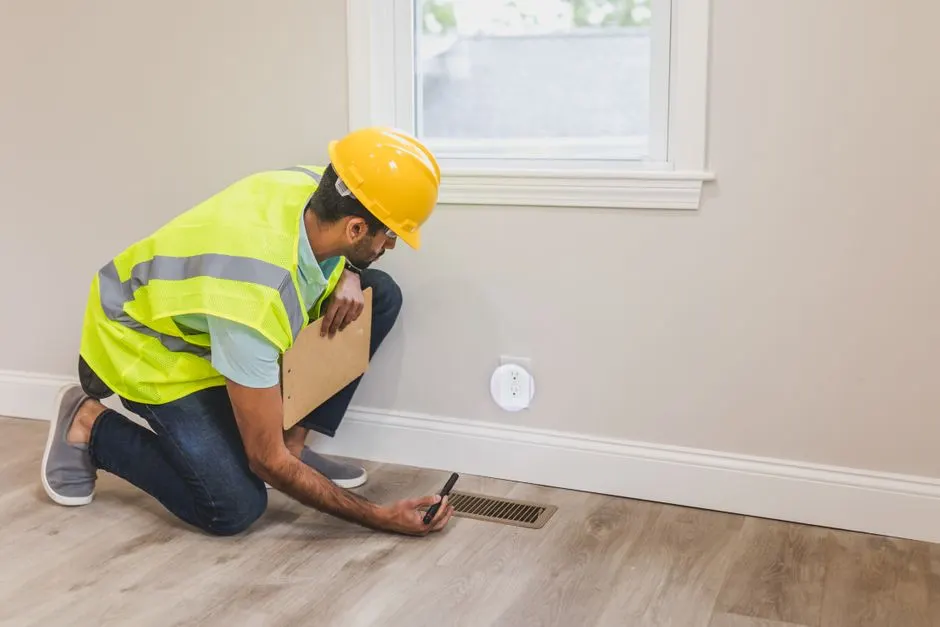
A construction worker in a hard hat inspects a floor vent indoors, ensuring quality and safety standards.
Licensed Licensed & Bonded
Fully Insured Insured & Bonded
24/7 Emergency Same-Day Response
Warranty Backed Workmanship Guaranteed in Spokane

What a Spokane Mold Inspection Includes

A standard inspection covers your reported concern, accessible visual areas, moisture checks, and a clear summary of observations and recommended next actions. Sampling is added when it answers a specific question and is discussed before collection. Destructive openings, repairs, remediation, and concealed areas that cannot be accessed are separate work; we identify those limits so you know what the inspection did and did not verify.

Concern and History Review

We discuss the affected rooms, odor or staining, water events, and previous repairs before walking the property. Your timeline helps us look for patterns such as a leak that returns after rain or condensation that appears during cold weather.

Accessible Visual Assessment

We inspect accessible surfaces near the reported condition and note discoloration, material changes, water marks, and other visible clues. We also consider adjoining areas where moisture could travel, while recording locations that remain concealed behind fixed finishes.

Moisture and Humidity Checks

We use appropriate meters and indoor condition readings to compare suspect areas with nearby materials. Results help identify dampness or conditions that support condensation; readings are interpreted in context rather than treated as a stand-alone mold test.

Targeted Sampling When Useful

If testing can resolve a defined uncertainty, we explain the sampling purpose and collect a suitable air or surface sample. Collection locations and conditions are documented, and laboratory findings are reviewed alongside visual and moisture evidence.

Findings and Next Steps

We summarize what we observed, where measurements were taken, and which actions address the likely moisture source. You receive practical guidance for repair planning or follow-up, including any limitations caused by inaccessible cavities or equipment.

Mold Inspection Spokane WA: What We Check


Mold Inspection Spokane WA is a building assessment that identifies visible or suspected mold, evaluates moisture conditions, and guides appropriate sampling when needed. We inspect accessible rooms and building areas, look for water intrusion and condensation, and use a pin and pinless moisture meter to compare suspect materials with nearby dry surfaces. An Infrared thermal camera can help locate temperature differences that warrant closer examination, but it does not identify mold by itself. We document findings, explain limitations, and give you usable next steps.

Spokane homes face winter condensation, roof and plumbing leaks, basement dampness, and attic moisture when warm indoor air meets cold surfaces. Older finishes can conceal damage behind baseboards or around window openings, while a small leak can leave a persistent musty odor after the surface dries. For a home mold inspection in Spokane WA, we trace the likely moisture source before recommending air or surface samples. That keeps the inspection focused on the building issue you need resolved.

What to Expect During Inspection

A Mold Inspection Spokane WA visit begins with your concerns and ends with findings you can act on. We work through the property in a deliberate order: history, visual review, moisture checks, targeted sampling when appropriate, and a plain-language summary. Most residential visits take about two to four hours, depending on size, access, and the number of affected areas.

01

Schedule

Call or book online — a real human picks up and confirms a 2-hour arrival window.

02

Diagnose

Licensed tech inspects on-site, then walks you through the cause and your options.

03

Fix

The job is completed to code and done right the first time — no shortcuts, no surprises.

04

Guarantee

Every job backed by a written workmanship warranty — and we stand behind it.

Tools and Inspection Methods

Tools & Equipment

Infrared thermal camera

An infrared thermal camera helps locate temperature differences that can point to a wet or poorly insulated area for closer checking. We confirm clues with moisture measurements; thermal images alone do not prove mold or moisture.

Pin and pinless moisture meter

A pin and pinless moisture meter checks suspect building materials with methods suited to the surface. We compare readings across nearby areas and record locations so results have context.

Thermo-hygrometer

A Thermo-hygrometer records indoor temperature and relative humidity. Those measurements help explain condensation risk and why a cold window, exterior wall, or attic surface may collect moisture.

Air sampling pump

An Air sampling pump draws a measured volume of air through a collection device when airborne sampling is appropriate. We document the sample location and interpret laboratory findings alongside building observations.

Borescope

A Borescope can help view a limited concealed space through an existing opening when access is safe and suitable. It does not replace opening a building assembly when direct confirmation is necessary.

Methods & Standards

Moisture-pattern comparison

We compare readings from the suspect material with nearby surfaces of similar type and construction, then relate differences to the leak or condensation history. This approach helps separate a localized wet area from normal material variation and guides where further inspection should focus.

Targeted air sampling

When airborne sampling can answer a defined question, we use an Air sampling pump with a Spore trap cassette or Bioaerosol sampling cassette as appropriate. We document the location and conditions, and explain that results represent the sampled air at that time rather than identifying a hidden source by themselves.

Surface collection

For a specific visible deposit, a Surface sampling swab or Tape-lift sampling kit may collect material for laboratory analysis. We identify the exact surface and purpose, use clean collection practices, and interpret the result with the inspection findings rather than treating it as a complete building assessment.

Standards-informed interpretation

When findings point toward corrective work, we reference ANSI/IICRC S520 for professional mold remediation principles and ANSI/IICRC S500 for water-damage restoration. These standards help distinguish assessment from remediation and water restoration; they do not replace a property-specific evaluation.

When to Schedule an Inspection

01

You notice a musty odor in a South Hill basement after snowmelt, but no obvious leak is visible.

What we do: We review when the odor appears, inspect accessible foundation and utility areas, and check moisture conditions around the reported location. We look for water entry, persistent dampness, or a nearby plumbing source. If needed, we explain whether sampling would clarify the concern or whether moisture correction should come first.

→ You receive a documented assessment of the accessible area, likely moisture clues, and a practical next step rather than a guess based on odor alone.

02

A buyer sees old staining in a Browne's Addition home and wants to understand the condition before moving ahead.

What we do: We inspect the stain and accessible adjoining areas, ask about repair history, and measure materials where appropriate. We note what is confirmed, what remains concealed, and whether a sample would answer a useful question. The report gives the buyer a clear basis for follow-up discussions.

→ You can distinguish a dry historical mark from an unresolved moisture concern and decide what additional evaluation or repair should happen next.

03

A rental unit develops a persistent bathroom odor after a small plumbing leak was repaired.

What we do: We check the cabinet, wall and floor edges, and accessible surfaces around the fixture, then compare moisture readings. We document the current condition and explain whether concealed access or targeted sampling is justified. This helps the property manager coordinate maintenance with a defined area of concern.

→ You get a record of the affected location and a sensible path for confirming drying, repairing finishes, or arranging follow-up.

04

An attic in Northwest Spokane shows dark marks after a cold-season condensation problem.

What we do: We examine accessible roof sheathing and framing, consider ventilation and indoor air movement, and check whether moisture remains. We separate visible evidence from assumptions about the source and identify any access limitations. The results guide a focused discussion about correcting the conditions that led to condensation.

→ You learn whether the area appears actively damp, what should be addressed, and which attic locations need monitoring after ventilation or moisture changes.

How Spokane Mold Inspections Work Locally

Spokane's cold winters and shoulder-season thaws make condensation and water entry common inspection questions. Warm indoor air can condense on cold windows, exterior walls, and attic surfaces, while snowmelt or wind-driven rain can expose roof and drainage weaknesses. In older homes around central neighborhoods, plaster, layered finishes, and previous repairs can hide the path of a leak; newer, tighter homes still need balanced ventilation and controlled indoor humidity. Our Spokane mold inspection starts with the specific room and weather history, then checks accessible materials and moisture conditions. For an independent mold inspection for a Spokane home, we explain what is visible, what instruments suggest, and where concealed access would be needed. We serve Spokane County and use the property layout-not a one-size checklist-to plan the visit. When sampling is useful, we document the collection location and relate laboratory results to the inspection. We also discuss recognized standards when corrective work is being planned, while keeping assessment separate from remediation.

Neighborhoods We Serve

  • South Hill

    Homes with basements and below-grade rooms can show dampness near foundation walls or plumbing. We compare the reported area with adjacent accessible surfaces before recommending a next step.

  • Browne's Addition

    Older buildings may have layered finishes and prior repairs that complicate water pathways. We document visible evidence and identify where concealed areas limit confirmation.

  • Downtown Spokane

    Multi-unit and commercial properties can involve shared systems or several affected spaces. We record the specific locations inspected so property managers can coordinate follow-up.

  • Northwest Spokane

    Attics and roof assemblies can show seasonal condensation or leak patterns. We consider timing, accessible sheathing, and indoor moisture conditions when assessing the concern.

Local Conditions We Plan For

  • Cold-season condensation on windows and exterior walls

    Repeated surface wetting can damage trim and finishes and may support growth if moisture persists. We record indoor temperature and humidity and compare conditions around the affected surfaces.

  • Snowmelt and roof water entering attic or ceiling assemblies

    Water can travel from the entry point before it appears indoors, leaving stains away from the original opening. We use the reported timing and accessible attic conditions to narrow the likely path.

  • Basement and crawl space moisture after prolonged damp weather

    Stored materials, limited airflow, and cool surfaces can make damp areas harder to identify by sight alone. We check accessible surfaces and compare moisture readings around the reported odor or staining.

Tracing a Basement Odor

Before

A homeowner in South Hill noticed a musty smell in a basement storage room after a wet period. Cleaning the visible floor edge did not change the odor, and the source was unclear. There was no broad visible growth, but a cabinet and stored boxes blocked parts of the wall, making it difficult to tell whether moisture remained.

After

We inspected accessible areas and compared moisture readings at the wall, floor edge, and nearby dry surfaces. The readings highlighted one localized area for follow-up rather than the entire basement. The customer received a documented finding and a plan to clear access, address the suspected water pathway, and recheck the area after repair.

Maintenance: Keep the wall edge accessible and check it after heavy rain or snowmelt. Store boxes several inches off basement walls, and address plumbing or drainage changes promptly so the same damp pattern does not return.

Before

After a bathroom supply leak, a ceiling stain remained in the room below. The visible surface had dried, but the owner could not tell whether moisture had reached the surrounding materials or whether the mark was old. Painting over it without checking risked hiding a condition that still needed attention.

After

We reviewed the leak timeline, inspected the ceiling and accessible adjoining area, and took comparative moisture readings. The inspection identified the boundaries of the concern and whether additional access was needed. The owner used those findings to complete drying and repair, then tracked the same locations rather than relying on appearance alone.

Maintenance: After any plumbing leak, confirm the source is repaired and keep a record of drying and repair work. Check the ceiling and nearby trim over the following week for renewed discoloration, odor, or soft material.

Before

A Northwest Spokane homeowner found dark marks on accessible attic sheathing after a cold spell. They were unsure whether the marks came from a roof leak or recurring condensation. Without checking surrounding conditions, either assumption could have sent repairs in the wrong direction.

After

We examined accessible sheathing and framing, reviewed when the marks appeared, and considered indoor humidity and attic conditions. The findings documented the affected area and the evidence relevant to condensation versus water entry. The homeowner received specific locations to monitor and a practical direction for addressing the likely moisture conditions.

Maintenance: Check the attic after cold weather and again during spring thaw, especially around roof penetrations. Keep bathroom exhaust routed outdoors and watch for changes in indoor humidity or new staining near the inspected area.

Resolve Spokane Moisture and Mold Concerns

A dark mark, recurring odor, or damp surface tells you something is happening, but not always why. We connect visible conditions with moisture clues and the building's history, then explain what needs repair or additional investigation. A targeted assessment helps you avoid both ignoring a problem and overreacting to an uncertain stain.

Problem

A musty basement odor returns after cleaning and airing out.

The odor can point to persistent moisture behind stored items, near a foundation wall, or around plumbing; ignoring the source allows damp conditions to continue.

Our Fix

We inspect the affected basement area and nearby accessible surfaces, compare moisture readings, and look for water entry or condensation. If a sample would answer a specific question, we explain why before collecting it. You get a practical direction for addressing the moisture source and checking whether the odor changes after corrective work.

Problem

Ceiling staining appears after a roof leak or winter thaw.

A stain can remain after a surface dries while insulation or framing stays damp, making it harder to judge whether the leak is resolved.

Our Fix

We examine the ceiling and accessible adjacent areas, review the timing of the leak, and measure suspect materials where appropriate. We identify visible limits and note any attic access that may help trace the pathway. The findings help you coordinate roof repair, drying, or a focused follow-up instead of covering the stain prematurely.

Problem

Window condensation keeps wetting trim and nearby walls.

Repeated wetting can damage paint and finishes and create conditions for growth, particularly when cold surfaces meet humid indoor air.

Our Fix

We assess the trim and surrounding materials, record indoor temperature and humidity, and look for related moisture patterns. We explain how ventilation, indoor humidity, and surface temperature relate to the observation. You can then address the actual condition and monitor the same locations through the next cold spell.

Problem

A plumbing leak was repaired but the room still smells damp.

Water trapped under flooring or behind a cabinet can keep materials wet after the visible leak stops, delaying drying and repair decisions.

Our Fix

We review the leak history, inspect accessible surfaces around the fixture, and compare moisture readings across nearby materials. If concealed areas remain suspect, we identify the access needed to confirm them. This gives you a focused path for checking drying progress and deciding whether further evaluation is warranted.

Clear Findings, Useful Next Steps

Clear Findings, Useful Next Steps

A careful inspection helps you separate a visible stain from an active moisture problem and decide what deserves attention first. We explain what we observed, where moisture readings changed, and when sampling adds useful evidence. You leave with a practical record for repairs, a purchase decision, or a conversation with a property manager.

  • Find Moisture Early

    We check suspect areas with moisture instruments and compare readings against nearby materials, so a damp wall or floor has context. Catching a leak pathway before finishes spread damage helps you prioritize repair. Spokane mold inspection is most useful when it pairs a visible concern with the water conditions that could keep it active.

  • Targeted Sampling Decisions

    Not every inspection needs a sample. If a result would clarify an uncertain condition, we select an appropriate air or surface method and explain what it can answer. A spore trap cassette, for example, collects airborne particles for laboratory analysis; it does not pinpoint a hidden source without a building inspection.

  • Support for Property Decisions

    A documented assessment gives buyers, sellers, and landlords a clearer basis for next steps. We note observed conditions and accessible areas, helping you distinguish a repair issue from a question that needs further investigation. You can use the findings to plan maintenance or discuss a specific concern before a transaction moves forward.

  • A Practical Repair Path

    We connect findings to actions such as correcting a leak, improving ventilation, or opening a specific area for further evaluation. The report does not replace repairs, but it helps you avoid treating the surface while leaving the moisture source in place. That matters after plumbing leaks and recurring condensation.

Standards and Clear Reporting

Licensed & Certified

  • ANSI/IICRC S520 Standard for Professional Mold Remediation — issued by Institute of Inspection, Cleaning and Restoration Certification
  • ANSI/IICRC S500 Standard for Professional Water Damage Restoration — issued by Institute of Inspection, Cleaning and Restoration Certification
  • AIHA Laboratory Accreditation Programs EMLAP — issued by American Industrial Hygiene Association

Verified Reviews

Customer feedback Not stated

A South Hill homeowner described a basement odor that persisted after cleaning. The inspection compared moisture conditions at the wall and floor edge, identified a focused area for follow-up, and explained what to check after the suspected water pathway was addressed.

Customer feedback Not stated

A Browne's Addition buyer requested an assessment of staining near a window before moving forward. The inspection covered accessible adjacent areas and explained which findings were confirmed and which needed follow-up after water entry was addressed.

Customer feedback Not stated

A Downtown Spokane property manager called after a tenant reported an odor following a sink leak. The inspection documented the cabinet and flooring conditions, explained why moisture checks came before sampling, and helped the manager coordinate a focused repair.

Field Knowledge and Careful Methods

Our local work centers on tracing moisture and documenting conditions that affect Spokane properties, from older basements to insulated attics and modern HVAC systems. We use established inspection practices and explain the limits of visual checks, instruments, and laboratory samples. Where remediation is considered, ANSI/IICRC S520 provides a recognized framework for professional mold remediation; water-damage work is addressed separately under ANSI/IICRC S500. We do not claim a credential we have not earned, and we make findings understandable before you decide what to do.

  • We distinguish moisture evidence from a confirmed mold finding and explain which observations support each conclusion.
  • Targeted inspection methods help avoid collecting samples that cannot answer the customer's actual question.
  • We document accessible areas and call out concealed locations that require a separate opening or repair step.
  • Our reports connect moisture readings, visible conditions, and sampling results instead of presenting isolated numbers.
  • We discuss recognized remediation and water-restoration standards when findings point toward corrective work.
Get Started Today
Field Knowledge and Careful Methods

Mold Inspection Spokane Questions

Real answers to the questions we hear most often from local homeowners and property managers.

How much does a mold inspection cost in Spokane?
A residential inspection commonly costs $250 to $600 in 2026, with laboratory samples adding roughly $75 to $150 per sample. Final pricing depends on property size, access, the number of concern areas, and whether sampling is useful. We give upfront pricing before work begins. A focused inspection of one room costs less than a multi-level property review with attic, basement, or HVAC concerns.
Where can I find a mold inspector near me in Spokane WA?
Spokane Mold Testing serves Spokane neighborhoods and nearby parts of Spokane County; call +1 866-896-8166 to discuss your location and concern. We inspect homes, rentals, and commercial properties, including suspected leaks, persistent odors, and visible growth. If you searched for a mold inspector near me Spokane, share the affected rooms and any recent water event so we can explain what the visit should cover.
What does a mold inspection include in Spokane?
A Spokane inspection includes a history review, visual assessment of accessible areas, moisture checks, and a written summary of findings and next steps. Sampling is added when it answers a specific question, not automatically. We may use moisture meters, humidity readings, and targeted collection methods. Hidden areas behind finished walls cannot be confirmed without access, so we identify those limits clearly.
How do I choose a mold inspection company in Spokane, Washington?
Choose a company that explains its inspection method, sampling purpose, reporting, and any limits before collecting samples. Ask how moisture sources are evaluated and whether laboratory analysis is performed by an accredited lab. A mold inspection company near me in Spokane, Washington should connect results to the property's conditions, document sample locations, and give practical next steps rather than relying on a lab number alone.

Related Inspection Services

Mold Testing

Mold testing adds laboratory analysis when an inspection identifies a question that visual and moisture checks cannot resolve. In Spokane, we select air or surface sampling to match the concern, document the collection location, and explain what the result does-and does not-show.

View Mold Testing

Indoor Air Quality Testing

Indoor air quality testing can examine airborne particles when occupants notice persistent odors or suspect an indoor source. We use the inspection findings to choose relevant sampling locations, so testing addresses the rooms and conditions that matter rather than producing an unexplained number.

View Indoor Air Quality Testing

Mold Clearance Testing

After remediation, clearance testing checks whether agreed conditions have been met before an area returns to normal use. We review the work area, visible condition, and relevant sampling plan in Spokane, then explain the results in relation to the original concern.

View Mold Clearance Testing

Post-Remediation Verification

Post-remediation verification documents the condition after corrective work and checks for remaining visible concerns or moisture. It is a distinct follow-up from the initial assessment and can include targeted sampling when appropriate. The findings help you close out repair work with a clear record.

View Post-Remediation Verification

Moisture Inspection

A moisture inspection focuses on water sources and damp materials, including plumbing leaks, condensation, and basement moisture. In Spokane, we compare readings across suspect and unaffected areas to help locate the pathway that could support recurring mold growth.

View Moisture Inspection

Water Damage and Mold Assessment

This assessment is useful after a leak, roof entry, or water event when you need to understand both wet materials and possible mold concerns. We document affected areas, check moisture conditions, and outline which components need drying, repair, or further evaluation.

View Water Damage and Mold Assessment

Book Mold Inspection Spokane WA

A lingering odor or damp wall deserves a clear answer before it becomes a larger repair. Call Spokane Mold Testing at +1 866-896-8166 to discuss your property and arrange an inspection. We provide upfront pricing and explain the next step plainly.

Call Our Team Book Inspection

Contact Spokane Mold Testing

Tell us what happened, where you noticed the odor or staining, and whether water entered the property. Call +1 866-896-8166 to speak with Spokane Mold Testing about an inspection or testing question. Our listed business hours are Monday through Friday, 8:00 a.m. to 6:00 p.m.; if a leak is active, call promptly and describe the conditions.

Or call us right now at +18668968166 — we answer.

Spokane Mold Testing


  • Phone

    +18668968166
  • Address

    Spokane, Washington

  • Hours

    Mon–Fri: 7AM – 7PM
    Sat: 8AM – 4PM
    Sun: Emergency Only
    24/7 Emergency Available

Call +18668968166 Get Quote
Call Quote