Logo
Get Estimate

Water Damage and Mold Assessment Spokane WA

Find hidden moisture before it becomes a bigger repair


Water Damage and Mold Assessment Spokane WA helps homeowners, landlords, and property managers identify where water traveled and whether damp materials support mold growth. We inspect after pipe leaks, basement flooding, roof seepage, or persistent musty odors, then explain the findings and practical next steps. Our Spokane team uses moisture mapping and targeted sampling so you can address the source, document affected areas, and make decisions based on what is actually present.

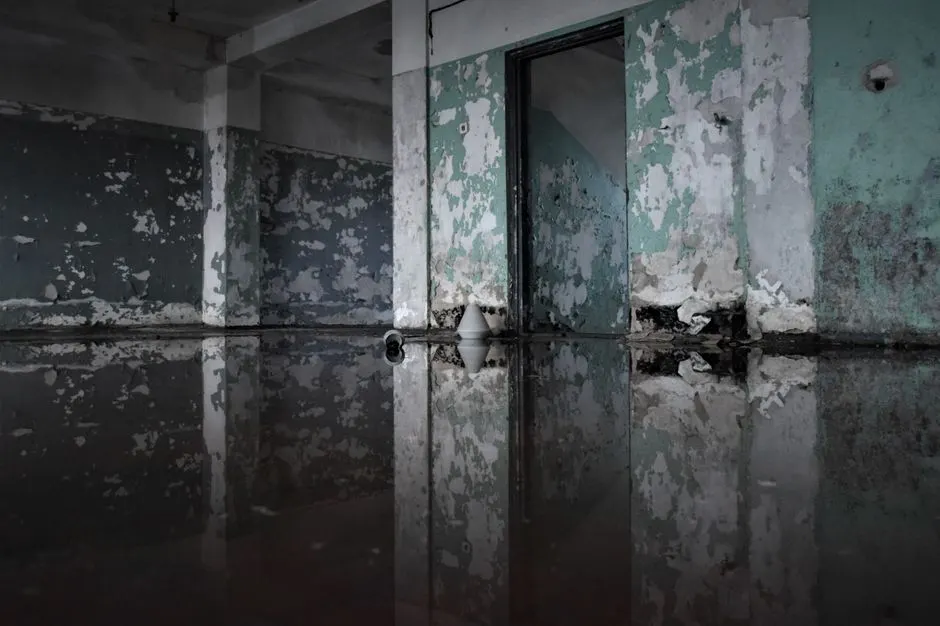
A decaying abandoned room with peeling paint and flooded floor, creating a reflection effect.
Licensed Licensed & Bonded
Fully Insured Insured & Bonded
24/7 Emergency Same-Day Response
Warranty Backed Workmanship Guaranteed in Spokane

What's Included in the Assessment

Water damage and mold assessment covers a visual review of reported areas, a discussion of the water history, moisture checks on accessible materials, and documentation of observed conditions. We recommend sampling only when it can answer a defined question. Repair, water extraction, destructive wall opening, laboratory fees, and remediation are separate work; we explain the assessment findings so you can plan the next step without confusing inspection with cleanup.

Water event review

We record the reported source, timing, duration, drying actions, and rooms involved. That history helps us check whether moisture patterns fit a plumbing leak, roof entry, flooding, or recurring condensation and determines which connected areas deserve attention.

Visual condition survey

We inspect accessible walls, ceilings, floors, cabinets, and relevant basement or attic areas for staining, material changes, visible growth, and musty odors. Photographs connect the observed condition to a specific room or surface in your report.

Moisture mapping

We take comparative readings at suspect locations and nearby materials, noting the material and measurement point. Meter results help identify areas that warrant drying or closer investigation, while the report explains limitations caused by finishes or restricted access.

Targeted sampling option

If a specific concern remains, we discuss suitable air or surface sampling and document the collection location. Laboratory analysis is an additional step, and we explain its role before collecting samples so you know what the results can answer.

Findings and next steps

We summarize affected areas, readings, observations, and any sample results, then explain practical next actions. You can use the report to coordinate leak repair, drying, remediation, or a follow-up assessment after the work is complete.

Water Damage and Mold Assessment Spokane WA


Water Damage and Mold Assessment Spokane WA is a property evaluation that locates moisture, documents water-affected materials, and checks for mold conditions after a leak, flood, or ongoing dampness. We begin with the building history and a room-by-room visual inspection, then use a pin and pinless moisture meter to compare suspect surfaces with dry areas. An Infrared thermal camera helps identify temperature patterns that warrant closer checking; it does not see through walls or prove mold is present. If sampling is useful, we explain the target and collect only the samples needed to answer the question.

Spokane homes face winter pipe breaks, spring thaw seepage, roof leaks, and basement moisture that can stay concealed behind trim or stored belongings. In older homes around Browne's Addition and South Hill, plaster, wood lath, and layered flooring can complicate drying and inspection. Our Spokane water damage and mold assessment checks the likely path from the source to adjacent rooms, including crawl spaces when access allows. If you need a water damage and mold assessment for a Spokane home, we connect visible staining, odor, moisture readings, and building conditions instead of treating one clue as a diagnosis.

What to Expect During Assessment

Water damage and mold assessment in Spokane follows a practical sequence: understand the event, map the affected area, test suspect materials, and report the findings. Most visits take about 1.5 to 3 hours for a typical home, depending on access and the number of affected rooms. We explain each step as we work, so you know what is being checked and why.

01

Schedule

Call or book online — a real human picks up and confirms a 2-hour arrival window.

02

Diagnose

Licensed tech inspects on-site, then walks you through the cause and your options.

03

Fix

The job is completed to code and done right the first time — no shortcuts, no surprises.

04

Guarantee

Every job backed by a written workmanship warranty — and we stand behind it.

Tools and Inspection Methods

Tools & Equipment

Infrared thermal camera

We use thermal patterns to locate temperature differences that may indicate a moisture path or hidden area for follow-up. A FLIR camera guides investigation; direct moisture readings are needed to confirm damp materials.

Pin and pinless moisture meter

A moisture meter checks materials directly or non-invasively, depending on the surface and instrument. We compare suspect areas with reference locations and document readings by room and material.

Thermo-hygrometer

We measure room temperature and relative humidity to understand indoor conditions that can contribute to condensation or slow drying. The reading supports, but does not replace, material moisture checks.

Air sampling pump

When air sampling is appropriate, a calibrated pump draws a measured volume through a Spore trap cassette. We record the location and sampling conditions so results can be interpreted alongside the inspection.

Borescope

A borescope can view an accessible cavity through an existing opening when conditions warrant a closer look. It helps inspect limited spaces without treating a small view as proof of the entire wall's condition.

Methods & Standards

Source-to-material moisture mapping

We start at the reported leak or water entry point and follow connected surfaces, checking each likely route against nearby reference materials. Readings are tied to room, material, and location. This sequence helps distinguish a local stain from a wider moisture pattern and gives repair crews a useful map.

Targeted air and surface sampling

We select sampling only when it helps answer a defined question about airborne particles or a specific surface. Air sampling uses a measured collection period and an appropriate cassette; surface sampling targets a documented area. Results are interpreted with the water history, inspection observations, and moisture findings.

Standards-informed assessment

We use the ANSI/IICRC S500 Standard for Professional Water Damage Restoration and ANSI/IICRC S520 Standard for Professional Mold Remediation as references for water and mold-related terminology and practices. The assessment remains specific to the property, observed conditions, and purpose of the visit; standards do not substitute for measurement or establish a universal mold threshold.

Comparative condition review

We compare suspect readings with similar, apparently unaffected materials and consider surface temperature and indoor humidity. This check helps prevent an isolated instrument result from being overstated. We note conditions that may influence readings, including finish type, access, and recent drying or heating.

When to Book an Assessment

01

A frozen pipe bursts overnight in a South Hill home, soaking a ceiling and the room below.

What we do: We document the visible water route, inspect connected ceiling and wall areas, and map moisture on accessible materials. If the leak has been repaired, we check where moisture remains and explain which areas need drying or closer access. Sampling is considered only if it answers a specific mold-related question.

→ You get a documented picture of the affected rooms and a practical sequence for drying, repair, and any follow-up check after the work.

02

A West Central basement takes on water during spring thaw, then develops a persistent musty smell.

What we do: We assess accessible basement surfaces, stored-material contact points, and the moisture pattern around the reported entry area. We compare readings across affected and less affected sections and note signs of recurring dampness. The report helps separate what we observed from questions that require drainage or building repair.

→ You can focus repairs on the locations connected to the water event and retain baseline findings to compare after the next wet period.

03

A rental unit in Downtown Spokane has a recurring bathroom leak and a spreading stain below the plumbing.

What we do: We inspect the reported ceiling and adjoining bathroom area, document moisture readings, and check whether visible conditions extend beyond the stain. We explain what the assessment indicates and what a plumber or repair professional should address. If testing is useful, we discuss a targeted sample and its limits.

→ The owner and tenant receive a shared record of observed conditions, making it easier to plan repairs and confirm the area is dry afterward.

04

A roof leak in the University District leaves damp insulation and a ceiling mark after winter weather.

What we do: We inspect accessible attic framing and the interior ceiling near the reported leak, looking for moisture, staining, and possible condensation patterns. Comparative readings help us determine whether materials remain damp. We note access limits and identify where roof repair or additional inspection should concentrate.

→ You receive clear documentation to guide roof work and drying, plus a basis for checking the same locations after repairs.

How Assessment Works in Spokane Homes

Water damage and mold evaluation Spokane WA must account for the water source and the way local buildings handle seasonal moisture. Spokane's cold winters can bring frozen plumbing and condensation on cold surfaces; spring thaw can expose basement seepage, while wind-driven rain can find roof and window weaknesses. Older homes may have plaster, wood framing, and finished basements that conceal the path between a leak and a stain. We check the reported area and connected spaces, including accessible crawl spaces or attics, then compare suspect materials with nearby references. For a flooded basement mold assessment near me Spokane, we document the water line, affected materials, odor, and current readings rather than assuming every damp basement has the same cause. We serve Spokane County, including neighborhoods with varied building ages and layouts. Our report identifies observed conditions and next steps; water extraction, plumbing repairs, and remediation are handled as separate trade work. Washington requirements and project conditions can vary, so we do not treat an inspection report as a building permit or repair approval.

Neighborhoods We Serve

  • South Hill

    Older homes and finished lower levels can hide water movement behind plaster or trim. We follow staining and moisture readings into adjacent rooms rather than stopping at the visible ceiling mark.

  • Browne's Addition

    Historic finishes and layered flooring can make a small plumbing leak difficult to trace. We document accessible readings and identify where careful follow-up access may be useful.

  • West Central

    Basements and crawl spaces can show recurring dampness after wet weather. We compare the reported entry area with nearby materials to help distinguish seepage from a plumbing event.

  • University District

    Rental and multi-unit properties can involve water traveling between floors. We document affected rooms and shared boundaries so owners can coordinate repairs and tenant communication.

Local Conditions We Plan For

  • Cold winter nights increase frozen pipe and indoor condensation concerns.

    A burst line can wet ceilings and wall cavities quickly, while cold surfaces can collect condensation even without a plumbing leak. We use the event history and comparative readings to distinguish likely patterns and identify materials that need drying.

  • Spring thaw can expose basement seepage and crawl space dampness.

    Water may enter at several points or remain in stored materials after surface cleanup. We document accessible walls, floors, and framing, then note whether readings suggest current moisture or a dry, older stain.

  • Older finishes can obscure water travel from the source.

    Plaster, trim, layered flooring, and prior repairs can hide damp materials or produce limited meter access. We record instrument limitations and explain when selective opening by a repair professional is needed for confirmation.

Kitchen Leak Behind the Cabinet

Before

A homeowner noticed a small leak under the sink and wiped the cabinet floor dry. The wall beside the plumbing felt cool, but there was no visible mold and the leak had stopped. Without checking adjoining materials, the damp area could have been mistaken for a minor cabinet problem.

After

We checked the cabinet, baseboard, and adjoining wall, then recorded comparative moisture readings at six locations. Two readings were elevated relative to nearby dry material. The report identified the affected zone and recommended focused drying and repair access rather than opening every kitchen wall.

Maintenance: After the plumbing repair, keep the cabinet clear and check the supply connections for new drips over the next week. A follow-up moisture check can confirm the affected materials have returned toward the reference readings.

Before

A basement had a musty odor after spring thaw, with a faint water line near stored boxes. The owner had removed visible water but could not tell whether the wall remained damp or the smell came from stored materials.

After

We inspected the accessible wall and storage area, recorded readings at eight points, and photographed the water line. The findings identified two sections for drying and a separate area that read comparably to dry reference material. The owner had a clearer basis for directing cleanup and checking drainage.

Maintenance: Keep stored items several inches off basement walls and revisit the documented locations after the next wet period. If odor returns or readings rise, investigate the water entry before repainting or covering the surface.

Before

A ceiling stain appeared after winter weather, but the roof had already been patched. The resident was unsure whether the stain was old, whether insulation remained wet, or whether water had traveled into the adjoining room.

After

We checked the accessible attic area and interior ceiling, documenting readings at five points and noting the limits of access. The central stain was dry relative to adjacent reference areas, while one nearby section warranted additional drying checks. The report gave the roofer and homeowner specific locations to revisit.

Maintenance: After roof work, monitor the same ceiling and attic locations during the next rain or thaw. Keep photographs and follow-up readings with the report so any new change can be compared with the documented baseline.

Solve Hidden Water and Mold Concerns

A small leak can leave a large question mark inside a wall, under flooring, or above a ceiling. Our assessment connects the water source to affected materials and separates confirmed observations from areas that need more investigation. You get a clear basis for deciding what to dry, repair, or check next.

Problem

A pipe leak stopped, but the wall still feels cool and damp.

Moisture trapped behind paint or trim can damage finishes and support hidden mold growth, even after the visible drip has stopped.

Our Fix

We inspect the leak area and adjoining surfaces, then take comparative readings on accessible materials. If patterns indicate moisture beyond the visible opening, we document where further access or drying should focus. A mold risk assessment after water damage Spokane WA helps you make the next decision from measured conditions instead of the size of the stain.

Problem

Basement seepage returns after snowmelt or heavy rain.

Repeated dampness can affect stored belongings, framing, and finished surfaces while keeping the source unclear between seepage, plumbing, and condensation.

Our Fix

We review the timing and affected walls, check accessible basement materials, and look for moisture patterns that distinguish a one-time event from recurring dampness. Our findings help direct attention toward drainage, plumbing, or indoor humidity concerns. We record the condition so you can compare it after repairs or another wet season.

Problem

A musty odor persists after water cleanup.

The odor can point to damp materials or concealed growth that was not addressed by removing standing water, leaving occupants unsure which room is involved.

Our Fix

We trace the odor across accessible areas, inspect likely moisture reservoirs, and use meters to check suspicious materials. If air or surface sampling would clarify a specific question, we explain the options. The report identifies what we observed and where a contractor should investigate further if the source remains concealed.

Problem

A roof leak left staining near an attic or ceiling.

Water may travel along framing before appearing indoors, so the stain can be distant from the entry point and the insulation may stay wet.

Our Fix

We inspect accessible attic and ceiling areas, compare moisture readings, and document visible water paths. Our findings help distinguish an older stain from current dampness and identify whether more access is needed. You can then coordinate roof repair and material drying with a clearer understanding of the affected zone.

Clear Findings, Practical Next Steps

Clear Findings, Practical Next Steps

A water event leaves more questions than a wet patch on the floor: how far did it travel, what stayed damp, and where should repairs begin? We give you a documented assessment that separates measured conditions from assumptions. You get a clear account of affected areas, moisture readings, sampling results when collected, and sensible next actions for your property.

  • Locate concealed moisture

    We compare suspect areas with nearby dry materials and check walls, floors, ceilings, and accessible cavities for moisture patterns. A Protimeter or Tramex meter helps us record material readings at specific points, rather than relying on surface appearance. That helps you prioritize opening or drying the areas that warrant attention and avoid unnecessary disturbance elsewhere.

  • Understand mold risk

    Standing water is not the only concern; damp materials and time are the key conditions to investigate. We assess odor, visible growth, moisture history, and the room's air movement, then explain whether sampling can answer a specific question. For mold inspection after a pipe leak Spokane WA, we focus on the leak path and adjoining materials, not just the stained ceiling.

  • Get useful documentation

    Your findings can include room locations, moisture readings, photographs, observed conditions, and laboratory results if samples are submitted. We identify the limits of each test in plain language, so you can share the report with a property manager, contractor, insurer, or remediation firm. Clear records make it easier to compare conditions after drying or repair.

  • Plan the right repair

    A focused assessment helps distinguish an active moisture source from older staining and identifies where more investigation is warranted. We explain whether the next step is leak repair, material drying, selective opening, or mold remediation by a qualified firm. You can use the documented findings to direct work, then arrange follow-up verification when repairs are complete.

Standards and Credentials

Licensed & Certified

  • IICRC Applied Microbial Remediation Technician — issued by Institute of Inspection, Cleaning and Restoration Certification
  • ACAC Council-certified Microbial Consultant — issued by American Council for Accredited Certification
  • EPA Mold Course Certificate — issued by U.S. Environmental Protection Agency
  • OSHA respiratory protection requirements — issued by Occupational Safety and Health Administration

Verified Reviews

Customer feedback Not stated

A Spokane homeowner described a useful inspection after a bathroom leak: the assessor checked beyond the stained area, recorded moisture locations, and explained which readings needed follow-up. The homeowner used the documentation to coordinate repairs and confirm the next step without treating a single measurement as a full diagnosis.

Customer feedback Not stated

A property owner in Spokane County reported that basement seepage had left a persistent odor. The assessment documented the water line, checked accessible materials, and separated damp readings from areas that appeared dry. The owner said the location-specific findings made it easier to plan cleanup and drainage work.

Customer feedback Not stated

A landlord in Downtown Spokane needed records after a ceiling leak affected a rental unit. The visit included photographs, moisture readings, and a plain-language summary of areas requiring repair access. The report helped the landlord coordinate the plumber and arrange a follow-up check after drying.

Field Judgment and Technical Method

Water damage and mold assessment requires more than spotting discoloration. Our local experience includes tracing leaks through finished rooms, distinguishing condensation patterns from plumbing events, and recognizing when a moisture reading needs a second check. We use a consistent inspection sequence and explain the limits of instruments and samples. For remediation-related questions, we refer to the ANSI/IICRC S520 Standard for Professional Mold Remediation and the ANSI/IICRC S500 Standard for Professional Water Damage Restoration as technical references; these standards do not replace building-specific judgment. You receive findings tied to the conditions we observed, not a generic checklist.

  • Moisture readings are documented by location and material, with comparative checks that help separate a damp area from normal background conditions.
  • Thermal patterns are treated as investigative clues and verified with direct moisture measurements before we describe a material as wet.
  • Sampling is selected to address a defined concern, with sample type, collection location, and interpretation explained in the report.
  • We consider water source, duration, affected building materials, and drying history when assessing potential mold growth after a leak.
  • Our reporting distinguishes observed facts, instrument readings, laboratory findings, and recommended next actions so you can use each appropriately.
Get Started Today
Field Judgment and Technical Method

Water Damage Assessment Questions

Real answers to the questions we hear most often from local homeowners and property managers.

Who assesses mold risk after water damage in Spokane?
A qualified mold assessor or indoor environmental professional can evaluate moisture conditions and potential mold growth after water damage in Spokane. We inspect affected materials, trace likely water movement, and use meters or targeted sampling when they address a clear question. The assessment is separate from water extraction or mold removal. If the water source is active, arrange plumbing or roof repair promptly while we document the affected building conditions.
How soon should I get a mold assessment after a leak?
Arrange an assessment as soon as practical, ideally within 24 to 48 hours if materials remain wet or the source is uncertain. Quick action helps identify hidden moisture before it spreads, but do not delay stopping an active leak. For a mold inspection after a pipe leak Spokane WA, tell us when the leak began, what was dried, and whether odor or staining has appeared; those details guide the inspection.
Can a water damage inspection find hidden moisture in Spokane WA?
Yes, a careful inspection can locate many hidden moisture patterns, though no non-destructive tool sees through every wall or guarantees detection. We use comparative meter readings and thermal patterns to identify areas for closer checking, then explain access limits. A water damage mold inspection Spokane can also include an appropriate cavity or surface sample when justified. If a reading indicates concern, selective opening by a repair professional may be needed to confirm conditions.
Where can I get water damage and mold assessment near me?
Spokane Mold Testing provides water damage and mold assessment across Spokane, Washington, including Spokane County neighborhoods and ZIP codes 99201, 99203, and 99205. Call +18668968166 to discuss a leak, flood, or persistent musty odor and arrange the right inspection. We can assess accessible affected areas, document moisture findings, and explain whether sampling or follow-up verification fits your situation.

Related Property Assessment Services

Mold Inspection

A mold inspection examines visible growth, odor, moisture conditions, and likely affected areas. After a leak, it complements the water assessment by checking whether damp materials show signs of mold and identifying locations that deserve closer investigation.

View Mold Inspection

Mold Testing

Mold testing uses selected air or surface samples to answer a defined question about spores or a specific material. We connect testing to the water event and inspection findings so you understand what a result represents and what it cannot prove.

View Mold Testing

Indoor Air Quality Testing

Indoor air quality testing can investigate airborne particles or conditions associated with musty odors after water intrusion. We consider the building history and sampling locations, then explain results alongside visible conditions and moisture readings rather than treating one sample as a full diagnosis.

View Indoor Air Quality Testing

Mold Clearance Testing

After mold remediation, clearance testing checks whether the completed work meets the agreed evaluation criteria. It can include a visual review and appropriately selected samples, giving you documented information before the affected space returns to normal use.

View Mold Clearance Testing

Post-Remediation Verification

Post-remediation verification reviews the repaired area after cleanup and drying. We look for remaining visible residue, odor, or moisture concerns and use testing when appropriate, helping Spokane property owners confirm that the water-related work addressed the documented problem.

View Post-Remediation Verification

Moisture Inspection

A moisture inspection focuses on locating damp building materials, including areas around plumbing, windows, basements, and roofs. It is useful when a leak has stopped but staining, elevated readings, or a musty smell remains.

View Moisture Inspection

Schedule Water Damage Assessment in Spokane

Water Damage and Mold Assessment Spokane WA gives you documented moisture findings and clear next steps after a leak or flood. Call our Spokane team at +18668968166 to discuss the affected rooms and arrange an assessment with upfront pricing.

Call Our Team Schedule Assessment

Contact Spokane Mold Testing

Tell us what happened, where you noticed the odor or staining, and whether water entered the property. Call +1 866-896-8166 to speak with Spokane Mold Testing about an inspection or testing question. Our listed business hours are Monday through Friday, 8:00 a.m. to 6:00 p.m.; if a leak is active, call promptly and describe the conditions.

Or call us right now at +18668968166 — we answer.

Spokane Mold Testing


  • Phone

    +18668968166
  • Address

    Spokane, Washington

  • Hours

    Mon–Fri: 7AM – 7PM
    Sat: 8AM – 4PM
    Sun: Emergency Only
    24/7 Emergency Available

Call +18668968166 Get Quote
Call Quote