Logo
Get Estimate

Airborne Mold Spore Testing Spokane WA

Find airborne spores and track down the moisture source


Airborne Mold Spore Testing Spokane WA helps homeowners, landlords, buyers, and building managers understand what is circulating indoors when musty odors, water damage, or unexplained dampness raise concern. Our Spokane airborne mold spore testing pairs controlled air collection with a visual moisture investigation, giving you useful findings instead of guesswork. If a leak, condensation, or hidden growth has affected your property, we identify where sampling is appropriate and explain what the results can and cannot tell you.

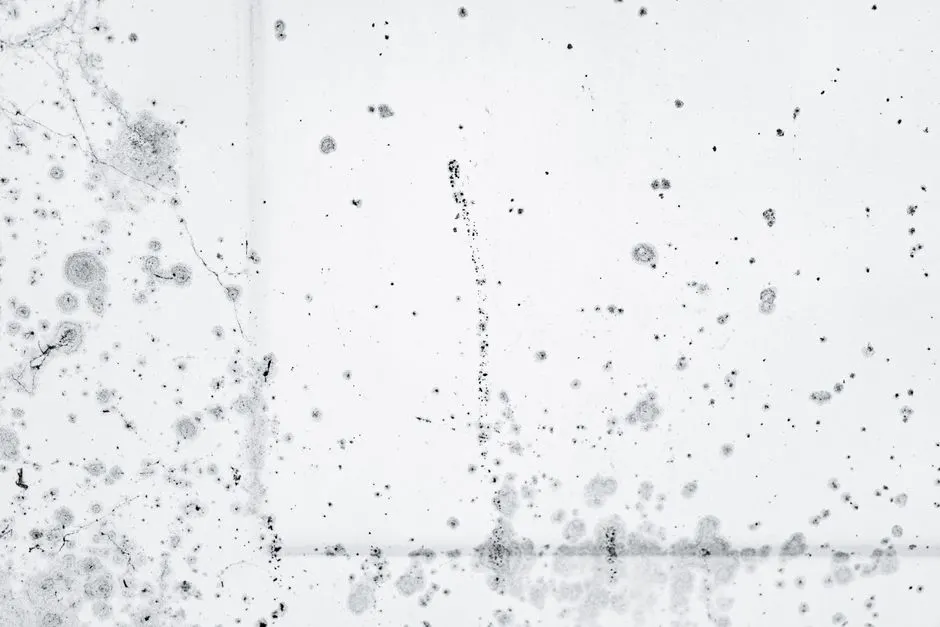
Intricate pattern of black mold spores on a white background, showcasing decay and organic growth.
Licensed Licensed & Bonded
Fully Insured Insured & Bonded
24/7 Emergency Same-Day Response
Warranty Backed Workmanship Guaranteed in Spokane

What Airborne Mold Testing Includes

Your appointment includes a focused discussion of the concern, a visual review of accessible areas, and moisture observations relevant to sample selection. We collect documented air samples and arrange laboratory analysis, then explain what the results indicate. Opening walls, extensive cavity exploration, remediation, and additional specialty testing require separate planning when the evidence supports them.

Concern And Room Review

We record the rooms and events connected to your concern, including leaks, odors, visible staining, or recent remediation. This history helps us choose meaningful sample locations and identify conditions that could affect interpretation, such as open windows, active work, or unusual ventilation.

Moisture Condition Checks

We check accessible building materials around the reported area and note temperature or humidity conditions that may support condensation. A moisture reading helps target follow-up; it does not map every concealed cavity. We explain where the instrument was used and what the reading can tell you.

Documented Air Collection

We use a pump and collection cassette at agreed indoor locations, recording where each sample was taken. An outdoor reference is collected when it supports comparison. The collection plan is based on the question, room use, and access rather than an arbitrary sample count.

Laboratory Report Review

Laboratory analysis identifies captured spore categories and reports the sample findings. We review the report with you, explain differences between locations, and connect the data with observed moisture clues. If the results call for additional investigation, we outline the most relevant next step.

Airborne Mold Spore Testing Spokane WA


Airborne Mold Spore Testing Spokane WA is an indoor environmental sampling service that measures airborne mold spores to investigate suspected contamination or evaluate indoor conditions. We use an air sampling pump and calibrated sampling media to collect a measured volume of air, then compare indoor samples with an outdoor reference when conditions support a useful comparison. A visual inspection and moisture readings help put laboratory findings in context. A spore count alone does not identify every hidden source or establish a health diagnosis; location, building conditions, and sample quality matter.

Spokane County properties face a mix of winter condensation, spring runoff, plumbing leaks, and summer cooling-related moisture. Older basements, crawl spaces, attic assemblies, and HVAC areas each need a different sampling plan. Our airborne mold spore analysis Spokane WA service is useful when you need evidence to guide an investigation, document conditions before or after remediation, or make a more informed property decision. For airborne mold spore testing in a Spokane home, we look for the moisture condition that could explain an unusual indoor result.

What to Expect During Testing

Airborne mold spore testing in Spokane follows a defined sequence: understand the concern, inspect accessible areas, collect representative samples, and explain the findings. Most on-site visits take about 1.5 to 3 hours, depending on the property size and number of locations. We keep you informed about room access and collection points as we work.

01

Schedule

Call or book online — a real human picks up and confirms a 2-hour arrival window.

02

Diagnose

Licensed tech inspects on-site, then walks you through the cause and your options.

03

Fix

The job is completed to code and done right the first time — no shortcuts, no surprises.

04

Guarantee

Every job backed by a written workmanship warranty — and we stand behind it.

Sampling Tools And Methods

Tools & Equipment

Air sampling pump

The pump draws a measured volume of air through collection media at a selected room location. We document the setup and location so the laboratory result can be tied to the sampled conditions.

Spore trap cassette

A spore trap cassette captures airborne particles for laboratory review. We use a sealed, labeled cassette for each collection point and record which room it represents.

Tramex moisture meter

A Tramex moisture meter helps check accessible materials for elevated moisture indications. Readings guide attention toward damp areas; they do not by themselves prove mold growth or identify a concealed source.

FLIR infrared thermal camera

A FLIR infrared thermal camera can help identify temperature patterns that merit closer inspection, such as a cool area near suspected moisture. It shows temperature differences, not mold, so we confirm relevant conditions with other observations.

Thermo-hygrometer

A thermo-hygrometer records room temperature and relative humidity at the time of inspection. Those conditions help explain condensation potential and provide context for air sampling.

Borescope

A borescope can provide a limited view into an accessible cavity when a targeted opening is available. It supports investigation of a suspected hidden area but does not replace a full wall or assembly assessment.

Methods & Standards

Indoor and outdoor comparison

When appropriate, we collect an outdoor reference alongside indoor samples under documented conditions. The comparison helps place indoor findings in context, but outdoor levels vary with weather, season, and nearby activity. We explain those limits rather than applying a universal pass-or-fail number.

Targeted location selection

We choose sample locations based on the reported concern, room use, moisture observations, and likely airflow. A focused plan is more useful than distributing samples evenly without a question. We identify the sampled areas in the report so findings are not overstated beyond their coverage.

Moisture-led investigation

Air collection is paired with inspection observations when moisture or a musty odor is involved. We check accessible materials and note conditions that could explain an unusual result, such as water intrusion or condensation. Finding and correcting moisture remains central to controlling mold growth.

Remediation follow-up

For post-work sampling, we first clarify the area and criteria being evaluated. Inspection observations and sample locations are documented before laboratory analysis. ANSI/IICRC S520 provides professional remediation guidance, but the project's specific agreement and observed conditions determine what verification means.

When Air Sampling Helps

01

A South Hill homeowner notices a musty downstairs odor after a washing-machine hose leak.

What we do: We inspect the accessible laundry and adjoining areas, check material moisture, and choose air sample locations that address whether the concern extends beyond the repair. We also note whether the outdoor reference is useful under the conditions on the visit.

→ You get documented findings and a clear distinction between the air sample results and any damp materials that still need repair or drying.

02

A rental property manager needs to investigate tenant reports of damp air in a basement unit.

What we do: We record the reported rooms and timing, inspect accessible basement materials, and measure relevant humidity conditions. Where sampling can answer the concern, we collect indoor air and an appropriate reference, then review the findings with the manager.

→ The owner receives a room-specific record to guide moisture correction, further inspection, or communication about the property.

03

A buyer in Browne's Addition finds staining near a window and wants evidence before a property decision.

What we do: We document the visible condition, look for moisture around the opening, and discuss whether airborne sampling addresses the buyer's question. Samples are collected only from locations that add useful information to the inspection findings.

→ You receive a focused report that records observed conditions and sampled results without promising that every concealed area has been tested.

04

A property owner wants a post-remediation check after correcting a recurring attic condensation problem.

What we do: We review the work area and agreed verification conditions, inspect accessible attic materials, and determine whether air sampling is appropriate. We record locations and relevant conditions so laboratory results can be understood alongside the completed work.

→ The owner gets documented follow-up findings and a clear basis for discussing any remaining moisture or remediation questions.

How Spokane Air Testing Works Locally

Airborne mold spore analysis Spokane WA needs to account for how local buildings handle cold-season condensation, spring moisture, and summer ventilation. Spokane homes include older basements, crawl spaces, attic assemblies, and additions where airflow and insulation differ from room to room. In November and through winter, cold surfaces around windows and exterior corners can collect condensation; after thaw and spring rain, grading or drainage problems may show up in lower levels. We ask about the timing of odors and leaks because conditions on a dry day can differ from those during a wet spell. For measure airborne fungal spores Spokane, Washington properties, we select indoor locations that match the concern and use an outdoor reference when it supports interpretation. Our service reaches Spokane County neighborhoods, and we document room conditions so results remain tied to the visit. If moisture is found, we explain what should be dried or investigated before relying on another air sample. Sampling can support decisions, but it does not replace fixing a roof, plumbing, or drainage source.

Neighborhoods We Serve

  • South Hill

    Older homes and additions can have varied insulation and ventilation. We pay attention to cold exterior corners, lower-level rooms, and the timing of condensation or musty odors.

  • Browne's Addition

    Historic building layouts can include enclosed spaces and older basement assemblies. We select accessible sampling locations carefully and record which portions of the property were evaluated.

  • West Central

    A mix of property ages and below-grade spaces makes leak history important. We ask about previous plumbing repairs and check accessible materials near the reported concern.

  • University District

    Rental and multi-unit properties can have different room use and ventilation patterns. We document occupied areas and coordinate collection around the specific reported room.

Local Conditions We Plan For

  • Cold-season condensation forms on windows and exterior walls

    Cold surfaces and indoor humidity can create recurring damp spots, particularly in rooms with limited air movement. We record temperature and humidity alongside moisture observations so the results are interpreted against the conditions present during the visit.

  • Spring runoff or drainage sends water toward lower levels

    Basements and crawl spaces can stay damp after visible surface water is gone. We check accessible materials and ask when the water appeared; air sampling is considered only when it answers a specific indoor-air concern.

  • Roof or plumbing leaks leave concealed materials wet

    Water can travel beyond the visible stain and remain in an assembly after repairs. We inspect nearby accessible areas and identify where further investigation may be needed before treating a room-air result as the whole answer.

Basement Odor After A Leak

Before

A homeowner reported a persistent musty smell in a basement room after a plumbing leak had been repaired. The visible flooring looked dry, but the odor returned when the door stayed closed overnight. There was no recorded moisture check, no sample comparison, and no clear way to tell whether the concern was limited to one room.

After

We checked accessible materials, recorded room conditions, and collected an indoor sample with an outdoor reference. The lab report showed a distinct result in the concern room compared with the reference, giving the owner a reason to investigate the adjacent floor edge. The sampling did not claim to locate the hidden source; it narrowed the next step.

Maintenance: Keep the repaired plumbing area accessible and watch for renewed staining or odor. Use a humidity reading during damp periods, and have the floor edge inspected if moisture returns. Repeat sampling only after the source is corrected or if a specific question remains.

Before

A property owner noticed dark marks on attic sheathing after cold weather and worried that spores were reaching the living area. The attic had limited access, and no one had recorded temperature, humidity, or whether the marks were still damp. A room-air sample alone would not have answered what caused the attic condition.

After

We documented accessible attic observations and checked relevant moisture conditions before selecting an indoor sample location. The resulting report identified the sampled room and its findings, while the inspection notes kept the attic concern separate from the air result. The owner then had a defined ventilation and moisture question for the contractor.

Maintenance: Check attic ventilation and roof penetrations after seasonal weather changes. If staining expands or materials remain damp, address the source before relying on new samples. Keep the inspection notes with repair records so future assessments can compare the same areas.

Before

After visible growth was removed from a utility room, the owner wanted to know whether the work area had been checked consistently. The contractor's completion notes did not identify any air sample locations, and the owner needed a clear record for property files and future maintenance.

After

We reviewed the work area, recorded accessible conditions, and collected agreed air samples for laboratory analysis. The report listed the locations and results, giving the owner a documented snapshot after remediation. The findings were interpreted against the project conditions rather than presented as a guarantee about every area in the building.

Maintenance: Keep the report with remediation and moisture-repair records. Maintain the corrected plumbing or drainage condition, and inspect the utility room after future leaks. Arrange another assessment if dampness or odors return, not simply because a calendar interval has passed.

Solve Indoor Air And Moisture Questions

Unexplained odors and damp rooms deserve a methodical investigation, not a guess based on smell or a single number. Airborne sampling can help measure what was present in selected rooms while a moisture inspection looks for conditions that sustain growth. We connect both parts so you can act on the building problem.

Problem

Musty odor persists after a visible plumbing leak was repaired

A concealed damp area can continue to affect nearby rooms even after the pipe is fixed, leaving the source unresolved and materials vulnerable to further damage.

Our Fix

We inspect the repair area and nearby accessible materials, record moisture clues, and collect air samples when they address your concern. If the evidence points toward a cavity or flooring assembly, we explain where further investigation is most useful rather than claiming an air sample has located the source.

Problem

Indoor air concerns remain despite no visible mold growth

Without a clear cause, occupants may keep cleaning surfaces or changing filters while hidden dampness, ventilation conditions, or another odor source remains unexamined.

Our Fix

We discuss where and when the concern occurs, inspect accessible areas, and select representative sample locations. A comparison with outdoor conditions can help interpret results. We then separate what the samples show from what requires additional inspection, giving you a practical path forward.

Problem

A basement or crawl space stays damp through changing weather

Persistent moisture can contribute to musty odors and material deterioration, while seasonal changes make one-time observations difficult to interpret without recorded conditions.

Our Fix

We check accessible surfaces and moisture conditions, note temperature and humidity, and consider air sampling if it answers a specific indoor concern. Findings help prioritize water management, ventilation, or a closer look at affected materials rather than relying on an isolated spore count.

Problem

A remediation project needs a documented follow-up check

Without agreed verification criteria and documented observations, owners may lack a clear record of post-work conditions or know whether a further review is needed.

Our Fix

We review the project question and conditions, inspect the designated areas, and collect post-remediation samples when appropriate. The report identifies sample locations and findings, allowing you and the remediation professional to compare results with the agreed completion criteria.

Useful Results, Clear Next Steps

Useful Results, Clear Next Steps

A good air sample answers a specific building question; it does not replace a careful inspection. We connect collection locations, moisture observations, and laboratory findings so you can decide what to do next. You leave with a practical explanation of the evidence, including where additional inspection or correction is warranted.

  • Evidence Beyond Odors

    Musty odors can come from damp materials, a drain, or concealed growth, and smell alone cannot confirm airborne spores. Sampling provides a measured snapshot from chosen rooms and an outdoor reference when appropriate. Your report distinguishes the sampled conditions from areas that were not sampled, so the next investigation has a defined starting point.

  • Targeted Source Investigation

    A raised result is more useful when tied to a building condition. We use a pin and pinless moisture meter to check accessible materials near a leak, cold corner, or basement wall. This helps direct attention toward water intrusion or chronic dampness rather than treating a laboratory number as a complete diagnosis.

  • A Useful Comparison

    Indoor and outdoor samples collected under comparable conditions can help show whether indoor spore types or concentrations stand out. We record the rooms, collection approach, and relevant conditions instead of presenting a number without context. That comparison can inform whether further inspection, moisture correction, or follow-up sampling is the sensible move.

  • Documentation for Decisions

    For a property sale, tenant concern, or remediation follow-up, a dated report creates a record of the sampled conditions. We explain the findings in plain language and identify practical next steps. You can share the results with a contractor, property manager, or other professional working on the moisture problem.

Standards And Documentation

Licensed & Certified

  • IICRC Applied Microbial Remediation Technician training — issued by Institute of Inspection, Cleaning and Restoration Certification
  • ACAC Council-certified Microbial Consultant credential — issued by American Council for Accredited Certification
  • ACAC Council-certified Indoor Environmentalist credential — issued by American Council for Accredited Certification
  • EPA Mold Course Certificate — issued by U.S. Environmental Protection Agency

Verified Reviews

Customer feedback Not stated

A South Hill homeowner described a basement odor following a plumbing leak. The inspector checked accessible moisture conditions, collected samples from relevant locations, and explained the report without claiming that one air result located a hidden source. The homeowner said the findings made the next investigation step clear.

Customer feedback Not stated

A property owner in Browne's Addition appreciated that the sampling plan was tied to the reported room rather than testing every space. The report identified collection locations and gave the owner useful documentation for coordinating a moisture repair with the contractor.

Customer feedback Not stated

A Spokane buyer said the team explained both the laboratory findings and the limitations of air sampling before a property decision. Moisture observations and documented locations helped the buyer discuss the concern with the seller without treating the sample as a guarantee about concealed areas.

Practical Sampling Expertise

Air sampling is only as useful as the question it is designed to answer. Our Spokane team combines building observations, moisture checks, and documented collection methods so your results stay connected to the property. We work with laboratory analysis and explain the limits of a snapshot: airborne levels change with activity, ventilation, weather, and room conditions. Our approach follows recognized industry guidance, including the intent of ANSI/IICRC S520 for mold remediation work, without treating a standard as a substitute for site-specific judgment.

  • We select sample locations based on your concern, the room layout, and visible or measured moisture clues.
  • We record collection details so indoor samples can be interpreted alongside an outdoor reference when appropriate.
  • Our inspection considers hidden mold growth, water intrusion, HVAC concerns, and musty odors as distinct clues.
  • We explain laboratory terminology in plain language and connect findings to practical building actions.
  • We coordinate findings with remediation professionals while keeping assessment and remediation decisions clearly distinguished.
Get Started Today
Practical Sampling Expertise

Questions About Air Sampling

Real answers to the questions we hear most often from local homeowners and property managers.

How much does airborne mold spore testing cost in Spokane?
A focused residential visit commonly costs $250 to $600 in Spokane, depending on sample count and inspection time. Typical 2026 pricing reflects the number of indoor locations, whether an outdoor reference is useful, laboratory analysis, and property complexity. Extra travel within the service area is not assumed; added concealed-space investigation or specialized sampling can change the total. We explain the price before work begins, and the report ties each result to its collection location.
Where can I get an indoor mold spore test near me in Spokane WA?
Spokane Mold Testing provides indoor air sampling across Spokane, including Downtown, South Hill, and nearby Spokane County neighborhoods. For an indoor mold spore test near me in Spokane WA, call +18668968166 and describe the room, odor, or water event prompting concern. We plan sample locations around your question and check accessible moisture clues. A useful test includes documented collection conditions, not just a cassette sent to a lab.
What do airborne mold spore test results mean?
Results identify the types and amounts of spores captured in each sample; they do not by themselves prove a health effect or pinpoint a hidden source. The laboratory findings become more informative when indoor samples are compared with an outdoor reference and the inspection notes. We explain unusual patterns, sampling limitations, and whether moisture investigation or corrective work is supported by the evidence. Counts are snapshots and can change with ventilation, activity, and weather.
When is air sampling for mold spores recommended?
Air sampling is most useful when a specific question remains after a visual and moisture inspection, such as unexplained musty odors or suspected airborne contamination. It can also help document conditions before remediation or assess a completed project when paired with agreed criteria. For a recent leak, first stop the water and dry affected materials; sampling alone does not correct wet building components. We help decide whether an air sample will answer your question.

Explore Related Mold Services

Mold Inspection

A visual mold inspection checks accessible rooms and building materials for growth, staining, and moisture patterns. Pairing it with airborne sampling helps connect laboratory results to likely sources, such as a damp wall or basement corner, instead of interpreting a sample without building context.

View Mold Inspection

Mold Testing

Mold testing can include air or surface sampling, depending on the question. Airborne spore collection measures what is captured in room air at a particular time; surface sampling can help characterize material at a specific location. We select the method that fits your concern.

View Mold Testing

Indoor Air Quality Testing

Indoor Air Quality Testing examines selected indoor conditions that may affect comfort or building use. Mold spore sampling can be one part of that work when moisture or musty odors are present. We clarify which measurements are planned and what each result can establish.

View Indoor Air Quality Testing

Mold Clearance Testing

Mold Clearance Testing is arranged after remediation when you need documented post-work sampling or inspection. The plan should follow the project conditions and agreed criteria, including whether air samples are appropriate. We report collection locations and findings so the next decision is based on evidence.

View Mold Clearance Testing

Post-Remediation Verification

Post-Remediation Verification checks whether the completed work meets the agreed assessment criteria. Depending on the project, that can include visual review, moisture checks, and air sampling. It is separate from remediation itself and gives owners a documented basis for deciding whether the area is ready for normal use.

View Post-Remediation Verification

Moisture Inspection

A Moisture Inspection looks for damp materials and conditions that can sustain mold growth. We use readings and visual observations to identify areas that deserve attention before or alongside air sampling. Finding and correcting the water source is essential; a lower airborne reading alone does not dry a wall.

View Moisture Inspection

Book Airborne Mold Spore Testing Spokane WA

Get a clear answer about the air in your property and the moisture conditions behind the concern. Our team documents sample locations and explains the findings directly. Call Spokane Mold Testing at +18668968166 to arrange your Spokane assessment.

Call Today Schedule Testing

Contact Spokane Mold Testing

Tell us what happened, where you noticed the odor or staining, and whether water entered the property. Call +1 866-896-8166 to speak with Spokane Mold Testing about an inspection or testing question. Our listed business hours are Monday through Friday, 8:00 a.m. to 6:00 p.m.; if a leak is active, call promptly and describe the conditions.

Or call us right now at +18668968166 — we answer.

Spokane Mold Testing


  • Phone

    +18668968166
  • Address

    Spokane, Washington

  • Hours

    Mon–Fri: 7AM – 7PM
    Sat: 8AM – 4PM
    Sun: Emergency Only
    24/7 Emergency Available

Call +18668968166 Get Quote
Call Quote