Logo
Get Estimate

Hidden Mold Investigation Spokane WA: Find the Source

We trace hidden moisture and explain what to do next


Hidden Mold Investigation Spokane WA helps homeowners, buyers, and property managers track down mold growth that is not visible on a surface. We investigate staining, recurring musty odors, and moisture after leaks, then explain where the evidence points and whether sampling is useful. Our Spokane Mold Testing team serves Spokane, Washington, with a focused concealed mold inspection Spokane WA plan built around your building, concerns, and access.

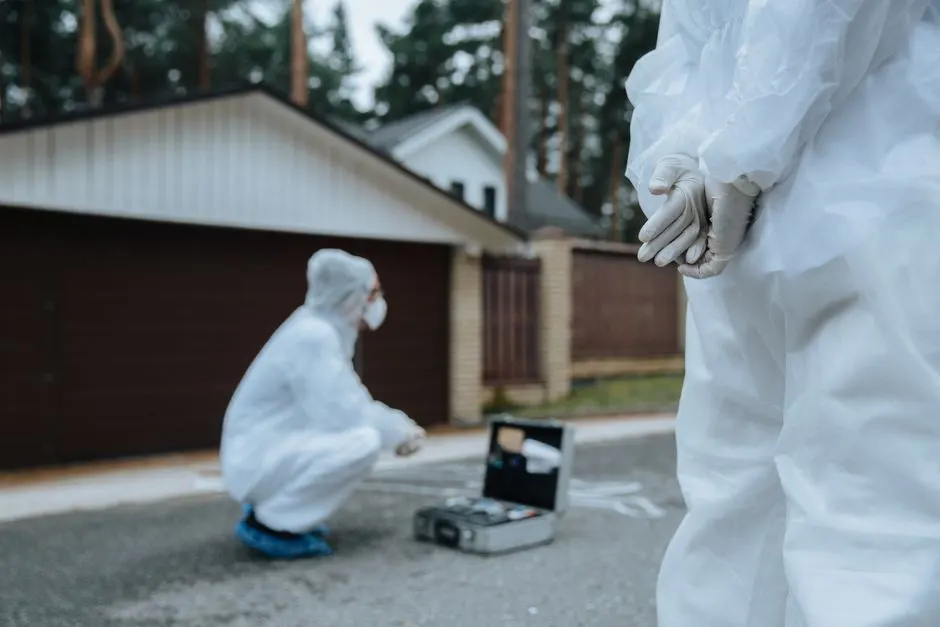
Forensic investigators in white suits and masks examining a crime scene outside a residential area.
Licensed Licensed & Bonded
Fully Insured Insured & Bonded
24/7 Emergency Same-Day Response
Warranty Backed Workmanship Guaranteed in Spokane

What Hidden Mold Investigation Includes

A Hidden Mold Investigation covers a history review, visual assessment of accessible areas, targeted moisture checks, and a clear explanation of findings. We document relevant readings and photographs, then recommend next steps tied to the evidence. Laboratory sampling, destructive opening, remediation, and repairs are separate tasks selected when the site conditions justify them; we explain the purpose before moving from non-invasive checks to a more targeted approach.

Building History Review

We ask when the odor or stain began, whether a leak or repair occurred, and how conditions change with weather or HVAC use. Your timeline helps us prioritize plumbing, roof, exterior, and ventilation pathways instead of inspecting unrelated areas.

Visual Pathway Check

We inspect accessible surfaces around the reported concern, including nearby ceilings, wall edges, fixtures, and service penetrations. Photographs record relevant conditions and help connect a visible mark to a possible concealed route without claiming that appearance alone confirms mold.

Moisture Readings

We compare meter readings at suspect materials with nearby reference locations and note the material tested. A reading helps identify wet or unusually damp areas; it does not identify mold species or prove hidden growth. We explain the result in plain language.

Targeted Access Discussion

If non-invasive evidence points to a concealed cavity, we discuss whether a borescope opening or other limited access would answer the question. You know the proposed location and purpose before proceeding, avoiding broad exploratory openings without a clear reason.

Findings and Next Steps

We summarize observed moisture, potential pathways, sampling decisions, and access limits. You receive practical direction for drying, leak repair, further testing, or remediation assessment, so your next conversation with a contractor starts with a specific area and documented concern.

Hidden Mold Investigation Spokane WA: What We Check


Hidden Mold Investigation Spokane WA is a moisture-focused building assessment that locates concealed conditions linked to suspected mold and identifies where targeted confirmation is warranted. We map visible water marks, check accessible surfaces with a pin and pinless moisture meter, and compare temperatures and humidity before deciding whether a borescope opening or sample will answer a specific question. The goal is not to guess from odor alone. We connect evidence to likely moisture pathways and give you clear findings you can use to plan repairs or further testing.

Spokane homes face freeze-thaw cycles, winter indoor humidity, spring runoff, and summer irrigation that can put water at foundations, roofs, plumbing, and crawl spaces. A small supply-line leak behind a cabinet or attic condensation after a cold snap can leave a persistent odor long after the surface dries. Our Spokane hidden mold investigation checks those likely pathways, and helps you find hidden mold behind walls in Spokane WA without opening broad sections of drywall before evidence supports it.

What Happens During the Visit

Hidden Mold Investigation Spokane WA follows a measured sequence: hear the history, inspect likely pathways, verify moisture patterns, and report what the evidence supports. We work with you to keep access focused, explain each test before using it, and distinguish visual findings from any laboratory analysis.

01

Schedule

Call or book online — a real human picks up and confirms a 2-hour arrival window.

02

Diagnose

Licensed tech inspects on-site, then walks you through the cause and your options.

03

Fix

The job is completed to code and done right the first time — no shortcuts, no surprises.

04

Guarantee

Every job backed by a written workmanship warranty — and we stand behind it.

Tools and Investigation Methods

Tools & Equipment

FLIR infrared thermal camera

Shows surface temperature patterns that can direct closer inspection toward a potential moisture pathway. It does not see mold through a wall or prove that a cold area is wet.

Tramex moisture meter

Measures moisture conditions in appropriate building materials. Comparing suspect points with nearby references helps us map a pattern rather than rely on a single reading.

Thermo-hygrometer

Records indoor temperature and relative humidity, giving context for condensation risk and interpreting moisture observations during the visit.

Borescope

Views an accessible cavity through a small opening when the inspection evidence supports a closer look. It helps assess a limited area, not the entire wall assembly.

Air sampling pump with Zefon cassette

Collects a measured air sample at a selected location when airborne comparison is relevant. The laboratory result is interpreted with room conditions and other inspection evidence.

Methods & Standards

Moisture mapping and comparison

We check materials at the reported symptom and compare readings with nearby locations of similar construction. This approach helps identify a meaningful moisture pattern, while accounting for material differences and instrument limitations. Findings are documented by location so you can connect them to a repair plan.

Thermal screening followed by verification

Thermal screening highlights temperature differences that may relate to wet materials, air leakage, or insulation conditions. We verify a suspicious pattern with appropriate moisture checks instead of treating an infrared image as a mold finding. This keeps conclusions tied to more than one observation.

Targeted cavity inspection

When non-invasive evidence justifies it, a borescope can provide a view inside a selected cavity through limited access. We explain what area will be viewed and the limits of that view. It is useful for a focused question, not a promise to inspect every hidden surface.

Purpose-led sampling

We select air or surface sampling only when results can help answer a defined question. Collection location, room conditions, and comparison points affect interpretation. A sample reports what was collected at that place and time; it does not locate a leak or rule out unsampled areas.

When to Request an Investigation

01

A South Hill homeowner notices a musty bedroom wall after a plumbing repair, but the paint looks normal.

What we do: We review the leak history, inspect the fixture-side wall and adjoining room, then map moisture readings against nearby dry materials. If the evidence points inside the cavity, we explain whether a small borescope opening or targeted sample would clarify the concern.

→ You learn whether the wall is still damp, what area deserves repair attention, and which observations should be checked again after drying.

02

A Browne's Addition property owner sees a ceiling stain return after a winter roof leak was patched.

What we do: We inspect the room-side mark and accessible attic area, looking for matching moisture paths, roof-side staining, or condensation. Readings and photographs help distinguish a dry historic mark from active moisture that needs a roofer or further investigation.

→ You have a documented location to discuss with the roofing contractor and a clearer basis for deciding whether ceiling material needs further evaluation.

03

A Downtown Spokane manager receives repeated odor reports from one office beside a shared service wall.

What we do: We compare the reported room with adjacent spaces, check accessible plumbing and HVAC routes, and record humidity and material readings. We keep the investigation focused on the affected office and shared wall unless the evidence indicates a wider pattern.

→ The property manager receives a practical, room-specific record for directing maintenance and explaining the next step to occupants.

04

A buyer touring a North Hill home notices a persistent basement smell and fresh paint near a utility wall.

What we do: We inspect accessible basement surfaces, look for moisture around utilities and foundation edges, and compare suspicious readings with nearby materials. The buyer can use the findings to ask targeted questions about prior water events or needed repairs.

→ You gain a clearer picture of the suspected area before making a repair plan or discussing the condition during the transaction.

How Spokane Hidden Mold Investigation Works

Spokane's cold winters and seasonal temperature swings make condensation on cold surfaces a recurring concern, especially where warm indoor air reaches an attic, exterior wall, or poorly insulated corner. Freeze-thaw weather and spring runoff can also expose roof transitions, foundation edges, and window details to water intrusion. We ask when the odor appears and whether it changes with heating, rain, or snowmelt, then check the building areas that match that history. Our concealed mold inspection Spokane WA work accounts for the variety of local homes, from older properties with finished basements to newer construction with complex roof and HVAC assemblies. In Spokane County, a basement musty odor may trace to seepage or stored materials, while an upstairs stain may connect to roof entry or attic condensation. We document conditions using moisture readings and, when useful, temperature and humidity measurements. We do not claim a code violation from an inspection; repair and remediation recommendations are framed around observed conditions and relevant ANSI/IICRC practices. If you are trying to investigate musty odors for hidden mold Spokane, tell us whether the smell follows a leak, starts when heat or cooling runs, or gets stronger after wet weather. That timing narrows the search and helps us choose the right next check.

Neighborhoods We Serve

  • South Hill

    Older and updated homes can have mixed wall assemblies and basement finishes. We compare a reported odor with nearby plumbing, exterior walls, and lower-level moisture conditions.

  • Browne's Addition

    Historic building details and later renovations can create concealed transitions at ceilings and exterior walls. We document accessible evidence before recommending any targeted opening.

  • Downtown Spokane

    Multi-unit and commercial spaces often share service walls and HVAC routes. We compare affected rooms with adjacent areas to keep an investigation focused.

  • Perry District

    Basements and utility areas can connect plumbing, foundation moisture, and finished living space. We check the reported route rather than assume a single source.

Local Conditions We Plan For

  • Cold-season condensation at exterior walls and attic assemblies

    Warm indoor air meeting cold surfaces can create moisture even without a plumbing leak. We consider indoor humidity, surface temperature, ventilation, and nearby materials before identifying a likely pathway or recommending follow-up.

  • Spring runoff or freeze-thaw water at foundations and roof transitions

    Water can enter at a foundation edge, window, or roof detail and travel before a stain appears. We compare the symptom location with accessible building routes and record any active moisture evidence.

  • Older repairs that conceal a prior leak or damp material

    Fresh paint or replacement trim can hide the original extent of a water event. We use the repair history, surrounding readings, and accessible views to decide whether the concern is resolved or needs a closer assessment.

Plumbing Leak Behind a Vanity

Before

A Spokane homeowner noticed a recurring odor near a bathroom vanity several weeks after a supply-line leak was repaired. The cabinet appeared dry, but the smell returned after the door stayed closed. No visible growth was present, leaving the homeowner unsure whether the wall or floor assembly still held moisture.

After

The investigation compared readings at the vanity wall, floor edge, and nearby reference materials, then documented a damp pattern beside the repaired line. A targeted cavity view clarified the affected area. The homeowner had a defined repair location and could arrange drying and follow-up instead of removing an entire wall.

Maintenance: After repair, keep the cabinet open during drying and check for renewed odor or staining. Recheck the area after the next week of normal use, and address any fresh leak promptly rather than sealing the surface.

Before

A South Hill resident found a faint ceiling mark after a cold winter period and noticed a musty odor when the heat ran. The roof had no obvious interior drip, so the cause could have been an old leak, condensation, or moisture in the attic assembly.

After

The inspection compared the ceiling location with accessible attic observations and recorded temperature and moisture conditions. Findings pointed to a localized attic-side concern rather than a room-wide issue. The resident received a focused next step for ventilation and roof follow-up, with the affected area clearly documented.

Maintenance: Check the attic after major seasonal temperature changes and keep exhaust fans vented outdoors. If the ceiling mark grows or the odor returns, record the timing and arrange a new moisture check.

Before

A Downtown Spokane property manager ran a dehumidifier in a basement office, but staff still noticed a musty smell near one finished wall. The room felt drier, yet the odor remained strongest after rain and no obvious surface growth could be seen.

After

We compared the affected wall and nearby foundation-side areas, recorded room humidity, and identified a localized moisture pattern that aligned with the odor reports. The manager had a specific area for maintenance to investigate and a baseline for checking conditions after the source was addressed.

Maintenance: Keep stored items several inches from the wall and note humidity during wet weather. If readings or odor remain elevated after repairs, schedule follow-up to verify that materials are drying rather than relying on the dehumidifier alone.

Find Hidden Mold Behind Walls in Spokane WA

A stubborn odor, bubbling paint, or a stain that returns after repainting often points to a moisture source that has not been corrected. We connect those clues to building materials and likely water paths, then tell you what the evidence supports. Hidden Mold Investigation Spokane WA is especially useful when the symptom is clear but its source is not.

Problem

Musty smell returns near a repaired plumbing leak

Water left inside a wall cavity can keep materials damp after the visible stain dries, allowing odor and concealed growth concerns to persist.

Our Fix

We inspect the repaired fixture, adjacent wall, and accessible areas below or behind the leak. Moisture readings help show whether materials remain damp; a targeted borescope check or sample is considered only if it answers a specific question. You get a focused path for drying and repair.

Problem

Ceiling marks reappear after winter roof or ice-related entry

A roof or flashing pathway can wet insulation and framing while the room-side ceiling looks dry, leaving damage unnoticed until another cold-weather event.

Our Fix

We compare the ceiling stain with accessible attic or roof-side observations and check for moisture patterns around the affected area. Our findings separate a past dry stain from an active concern and identify where a roofer or remediation contractor should focus.

Problem

Basement odor persists despite running a dehumidifier

A dehumidifier can lower room humidity but will not stop seepage, a plumbing leak, or damp materials hidden behind stored items or finished walls.

Our Fix

We trace the odor through accessible foundation edges, plumbing routes, and nearby finishes, while recording room temperature and humidity. The investigation identifies whether moisture remains and what area deserves further access, helping you correct the source rather than relying only on equipment.

Problem

Room odor intensifies when the HVAC system starts

Air movement can spread an odor from a damp component or draw it from a wall cavity, making the source difficult to locate by smell alone.

Our Fix

We compare the affected room with HVAC-adjacent areas and inspect accessible equipment and surrounding materials. If the pattern points to ductwork, we describe that finding; if not, moisture checks help redirect attention to a wall, ceiling, or other building assembly.

Clear Findings, Practical Next Steps

Clear Findings, Practical Next Steps

Hidden Mold Investigation in Spokane gives you a reasoned answer to a troubling odor or recurring stain, not a guess based on appearance alone. We document where readings change, explain access limits, and separate moisture evidence from laboratory results so you can make the next decision with useful facts.

  • Narrow the Search Area

    We compare moisture readings across adjoining materials and inspect likely leak paths, reducing guesswork before anyone removes finishes. A room-by-room map can distinguish one damp wall bay from a broader basement issue, giving you a specific repair target and a record to share with a contractor.

  • Choose Sampling Deliberately

    Sampling answers a defined question; it is not a substitute for locating water. During a concealed mold inspection for a Spokane home, we explain whether an air sample, surface sample, or no sample is appropriate, and what each result can and cannot establish.

  • Protect Repair Decisions

    A written account of observed conditions, readings, and inspection limits helps you discuss the problem with a plumber, roofer, or remediation contractor. We identify where more access is justified, so a repair can address the moisture source rather than cover a symptom.

  • Track Indoor Conditions

    A thermo-hygrometer helps us record room temperature and relative humidity alongside material readings. That context matters when condensation on cold surfaces is possible; you receive practical observations about ventilation, temperature differences, and moisture conditions to monitor after the visit.

Field Knowledge, Clear Documentation

Our local experience comes from investigating the building conditions that commonly create concealed growth: plumbing leaks, roof and window entry, damp basements, crawl spaces, and attic condensation. We base conclusions on observable evidence and identify uncertainty rather than overstate what a sensor can prove. Spokane Mold Testing uses established inspection practices informed by the ANSI/IICRC S520 Standard for Professional Mold Remediation and the ANSI/IICRC S500 Standard for Professional Water Damage Restoration. Those standards help frame moisture documentation and remediation discussions; they do not turn an inspection into a guarantee or replace appropriate repair work.

  • We distinguish temperature anomalies from verified wet materials, then document confirming readings instead of labeling every cold area as mold.
  • Our technicians use moisture mapping to compare suspect materials with nearby reference points and record the locations that need attention.
  • Sampling decisions are tied to a question, such as whether airborne spores differ between a concern area and an outdoor reference.
  • We explain how water intrusion, chronic indoor dampness, and condensation create different investigation paths in homes and commercial spaces.
  • Our findings identify observed conditions and access limits so you can coordinate directly with the right repair or remediation trade.
Get Started Today
Field Knowledge, Clear Documentation

Questions Spokane Property Owners Ask

Real answers to the questions we hear most often from local homeowners and property managers.

How can I find hidden mold in a Spokane home?
Start by tracing the odor, staining, or dampness to nearby plumbing, exterior walls, roof areas, and crawl spaces; a focused inspection often takes 1 to 3 hours. We compare moisture readings across materials and use targeted access only when evidence supports it. An infrared image alone does not prove mold. If you need to find hidden mold behind walls in Spokane WA, we identify the likely wet area and explain whether a borescope or laboratory sample would add useful information.
Who investigates concealed mold near me in Spokane WA?
Spokane Mold Testing investigates concealed moisture and suspected growth across Spokane, Washington, including Spokane County neighborhoods. We review the building history, inspect accessible areas, map moisture, and explain when sampling is appropriate. Call +18668968166 to discuss the odor, leak, or room you are concerned about. An investigation identifies evidence and next steps; repairs and remediation are separate work performed by the relevant trade.
Can a mold inspection find growth behind drywall?
Yes, an inspection can identify evidence that justifies targeted access, but no non-invasive tool sees through every wall or confirms growth by itself. We use moisture patterns, thermal differences, building history, and, where appropriate, a borescope through a small access point. If material must be opened, we explain the reason and location first. Sampling can help characterize collected material or air, but it does not replace finding and correcting the moisture source.
When should a musty odor prompt a hidden mold investigation?
Arrange an investigation when an odor persists for several days, returns after cleaning, or follows a leak, roof entry, or plumbing repair. We check odor patterns against moisture readings and nearby assemblies rather than masking the smell. Condensation, a dry drain trap, or HVAC contamination can also create odors, so we look at competing explanations. Record when the smell is strongest and which rooms are affected; that history helps focus the visit.

Related Spokane Mold Services

Mold Inspection

A general inspection documents visible conditions, moisture concerns, and building areas that deserve closer attention. Spokane customers often pair it with a hidden investigation when a room smells musty but no growth is visible. We focus the visit on the reported problem and explain where further access or sampling would add value.

View Mold Inspection

Mold Testing

Testing collects air or surface samples to answer a defined question about the sampled location. It complements a hidden investigation when moisture evidence or occupant concerns make a sample useful. We explain collection locations and limitations so Spokane property owners do not mistake a laboratory result for a complete building diagnosis.

View Mold Testing

Indoor Air Quality Testing

Indoor air quality testing evaluates selected airborne conditions in the context of the building and its ventilation. If an odor or irritation occurs across multiple rooms, it can complement a concealed investigation by checking whether airborne particles differ between locations. Results are interpreted with inspection observations, not in isolation.

View Indoor Air Quality Testing

Mold Clearance Testing

After remediation, clearance testing assesses specified areas against the agreed project criteria. A prior hidden investigation provides useful context about where moisture and suspected growth were found. Spokane owners can use follow-up sampling and visual review to document post-work conditions before returning a space to normal use.

View Mold Clearance Testing

Post-Remediation Verification

Verification checks whether remediation addressed the identified area and whether visible residue or moisture concerns remain. We can compare the post-work condition with the original investigation record, including locations and access notes. This helps Spokane property owners distinguish completed cleanup from an unresolved water source.

View Post-Remediation Verification

Moisture Inspection

A moisture inspection maps damp materials and likely water pathways without assuming every wet area contains mold. It is a useful companion when a Spokane home has a recent leak, condensation, or a recurring stain. Readings help prioritize drying and repairs before concealed growth becomes a larger concern.

View Moisture Inspection

Book Hidden Mold Investigation Spokane WA

A recurring odor or unexplained stain deserves a source-focused check before you open walls or repaint. Call Spokane Mold Testing at +18668968166 to arrange a Hidden Mold Investigation Spokane WA visit; our team will explain the inspection steps and upfront pricing.

Call our team Book an Inspection

Contact Spokane Mold Testing

Tell us what happened, where you noticed the odor or staining, and whether water entered the property. Call +1 866-896-8166 to speak with Spokane Mold Testing about an inspection or testing question. Our listed business hours are Monday through Friday, 8:00 a.m. to 6:00 p.m.; if a leak is active, call promptly and describe the conditions.

Or call us right now at +18668968166 — we answer.

Spokane Mold Testing


  • Phone

    +18668968166
  • Address

    Spokane, Washington

  • Hours

    Mon–Fri: 7AM – 7PM
    Sat: 8AM – 4PM
    Sun: Emergency Only
    24/7 Emergency Available

Call +18668968166 Get Quote
Call Quote