

Concern and History Review
We ask about leak timing, repairs, odors, staining, and rooms where conditions change. This history helps focus the inspection on likely pathways and prevents unrelated areas from taking time away from the reported issue.
A residential inspection covers a visual review of the reported concern, relevant nearby materials, moisture checks, and clear explanation of findings. We may recommend air or surface sampling when a defined question calls for it. Sampling, invasive opening, remediation, and building repairs are separate activities; we explain the inspection evidence so you can decide what follow-up is appropriate.
We ask about leak timing, repairs, odors, staining, and rooms where conditions change. This history helps focus the inspection on likely pathways and prevents unrelated areas from taking time away from the reported issue.
We examine accessible surfaces for visible growth, water marks, peeling finishes, and condensation patterns. Nearby rooms and materials are included when they help establish whether the concern is localized or connected to a broader moisture pathway.
We use comparative meter readings on suspect materials and surrounding reference areas. The results help identify dampness that needs attention, while the inspector explains that readings vary by material and must be interpreted alongside visible conditions.
We explain the areas inspected, observations, and practical next steps in direct language. You can use the findings to plan leak repair, drying, further investigation, or targeted sampling with a contractor or property professional.
Residential Mold Inspection Spokane WA is a home assessment that identifies visible mold concerns, moisture conditions, and likely sources of water intrusion so homeowners can choose appropriate next steps. We review the areas you flag, check adjacent materials, and look at basements, crawl spaces, bathrooms, attics, and HVAC components when conditions point there. A pin and pinless moisture meter helps compare readings across surfaces; an Infrared thermal camera can reveal temperature patterns that warrant closer inspection. Findings guide whether sampling is useful or whether correcting moisture should come first.
Spokane homes face seasonal shifts that can expose small building weaknesses: winter condensation on cold surfaces, spring runoff, roof leaks, and plumbing failures behind walls. Older finishes and remodeled spaces can also conceal a prior leak or chronic indoor dampness. Our home mold inspection Spokane WA service starts with the reported symptoms and the home's moisture history, then follows evidence rather than guessing from odor alone. If you need a residential mold inspection for a Spokane house before repairs, a sale, or occupancy, we explain what we found and which areas deserve attention.
Residential Mold Inspection Spokane WA follows a straightforward sequence: we hear your concern, inspect the relevant areas, measure moisture, and explain findings. A typical visit takes about two to four hours for an average home; larger homes or concealed-access investigations take longer. You can remain at home and point out odors, leaks, or prior repairs as we work.
Schedule
Call or book online — a real human picks up and confirms a 2-hour arrival window.
Diagnose
Licensed tech inspects on-site, then walks you through the cause and your options.
Fix
The job is completed to code and done right the first time — no shortcuts, no surprises.
Guarantee
Every job backed by a written workmanship warranty — and we stand behind it.
Infrared thermal camera
We use thermal patterns to locate areas that may need closer moisture checks. A FLIR camera can help direct the inspection, but a temperature image alone does not confirm mold or water.
Pin and pinless moisture meter
A Tramex or Protimeter meter measures material moisture at suspect locations and nearby comparison points. We interpret readings by material type and the visible conditions around them.
Thermo-hygrometer
This instrument records air temperature and relative humidity in a room. The information helps us assess condensation conditions and explain how indoor moisture may affect cold surfaces.
Borescope
A borescope allows a limited visual check inside an accessible cavity when evidence supports closer investigation. We use it selectively and explain the location and purpose before examining concealed space.
Air sampling pump
When air sampling is appropriate, an Air sampling pump draws a measured volume through a spore trap cassette. Collection locations are chosen to answer a defined inspection question, not simply to produce a test result.
Moisture mapping and comparative readings
We compare suspect materials with nearby areas that appear unaffected, then record where readings change. This pattern helps locate a likely water path and guides whether the inspection should expand to an adjoining room, wall, or floor. We use meter findings alongside visible evidence rather than treating one reading as a standalone diagnosis.
Targeted air sampling
Air sampling is selected when airborne conditions are relevant to the concern and the results can inform a decision. We choose collection locations, document the setup, and use appropriate collection media. Laboratory findings are interpreted with the inspection record, building conditions, and any moisture source identified during the visit.
Surface sampling
A surface sample can help characterize material at a specific location when visual inspection alone does not answer the question. We use a sterile swab or tape-lift collection method suited to the surface and label the location. The result adds evidence but does not establish the cause or extent of a moisture problem by itself.
Remediation framework review
When cleanup is under consideration, we refer to ANSI/IICRC S520 Standard for Professional Mold Remediation as a professional framework for remediation practices. The inspection identifies conditions and supports next-step planning; it does not replace the work of a remediation contractor. We keep the observed moisture issue central to preventing recurrence.
01
What we do: We inspect the repaired plumbing area, adjacent wall and floor materials, and nearby rooms for moisture patterns. Readings help determine whether drying is complete or whether concealed materials need closer investigation. If sampling would clarify an unresolved concern, we explain the collection approach before proceeding.
→ You know whether the remaining odor needs moisture correction, further access, or monitoring, and can give a repair professional a specific location to address.
02
What we do: We assess the stained surfaces, nearby basement materials, and accessible areas where water could enter. We document observations and moisture readings, then separate current dampness from dry historic staining where evidence allows. This supports a focused conversation before the purchase decision.
→ You receive a clearer picture of the basement concern and can decide whether repair evaluation or additional investigation belongs in your transaction planning.
03
What we do: We inspect the accessible attic around the discoloration, compare nearby sheathing conditions, and look for roof entry or condensation patterns. We also consider ventilation and indoor moisture conditions rather than assuming every mark is a roof leak. Findings point to the repair or moisture-control step that fits the evidence.
→ You can direct the roofer or repair contractor to the relevant area and reduce the chance that the same moisture condition returns.
04
What we do: We inspect the closet, adjoining wall, and nearby plumbing or exterior surfaces for moisture and visible changes. We record the concern and explain whether the pattern suggests a localized leak or a wider building condition. The manager can use the findings to plan corrective work and communicate a concrete response.
→ The property team has documented locations and a next-step plan, helping resolve the reported condition instead of relying on odor control alone.
Residential Mold Inspection Spokane WA accounts for Spokane's cold winters, seasonal thaw, and swings between dry indoor heat and outdoor moisture. Winter condensation can form on cold windows, exterior corners, and attic surfaces; spring runoff or a roof defect can introduce water from above or below. Older homes may have layered finishes and prior repairs that hide the original leak path, so we compare affected materials with nearby areas rather than relying on appearance alone. A home mold inspection Spokane WA visit also considers basements, crawl spaces, and ventilation where the reported odor or staining points. If you need an independent mold assessment before buying a Spokane home, we focus on accessible evidence and explain where further evaluation is warranted. We serve Spokane County, including neighborhoods with different housing ages and layouts. Relevant local code and repair questions should be addressed by the appropriate building or trade professional; our inspection documents mold-related conditions and moisture evidence.
South Hill
Homes with finished basements and exterior-wall rooms can show condensation or water-entry clues. We compare the reported area with nearby materials and inspect accessible basement conditions.
Browne's Addition
Older buildings can include multiple finish layers and past repairs. We follow staining and odor toward likely moisture paths, while distinguishing accessible observations from concealed conditions.
West Central
A damp basement or recurring odor calls for checking more than the visible surface. We review accessible lower-level materials and likely water-entry points around the reported concern.
Logan
After a plumbing leak, moisture can travel beyond the room where water first appeared. We check adjoining materials and compare readings to help narrow the affected area.
Winter condensation on cold windows, exterior walls, and attic surfaces
Repeated moisture on cold materials can damage paint and trim or create persistent dampness. We check nearby surfaces and indoor humidity conditions, then explain whether ventilation, moisture control, or leak investigation is the better next step.
Spring water entry around roofs, foundations, and basement walls
Thaw and rain can reveal drainage or roof weaknesses that were less obvious during dry periods. We look for staining and moisture patterns, compare affected areas with drier materials, and identify locations that need prompt repair or further evaluation.
Hidden plumbing leaks behind remodeled finishes
New surfaces can conceal old damage or a continuing leak. We use non-invasive readings first and follow evidence toward likely pathways, explaining when a borescope check or targeted access would add useful information.
A residential inspection helps clarify what is behind musty odors, recurring staining, and unexplained dampness. If a condition is left unchecked, water can continue affecting finishes and concealed materials. We trace the concern, record relevant moisture conditions, and help you prioritize correction before deciding whether further investigation or sampling is needed.
Problem
The repair may stop new water while damp materials remain inside a wall or under flooring, allowing odor and damage to continue.
Our Fix
We inspect the repaired area and adjoining materials, compare moisture readings, and look for evidence that water traveled beyond the visible stain. If a concealed cavity remains suspect, we explain whether targeted access or sampling would answer the next question. You get a practical direction for drying or repair rather than masking the odor.
Problem
Repeated condensation can keep trim and nearby finishes damp, particularly where airflow is limited or indoor humidity stays elevated.
Our Fix
We check the affected surfaces and nearby materials, then consider room humidity, ventilation, and temperature patterns. A thermo-hygrometer can document indoor relative humidity and temperature during the visit. Our findings help you distinguish a moisture-management issue from a roof or plumbing leak that needs a different repair.
Problem
Persistent dampness can affect stored belongings, wood components, and indoor odor, while a hidden leak or drainage issue continues unnoticed.
Our Fix
We inspect accessible basement and crawl-space areas for water intrusion, material changes, and moisture patterns. We check suspect locations and explain whether the evidence points toward plumbing, exterior water entry, or chronic dampness. The result is a prioritized list of areas to correct or investigate further.
Problem
A stain can reflect a roof leak, condensation, or both, and untreated moisture may affect roof sheathing and insulation.
Our Fix
We compare the stained area with surrounding attic materials, look for nearby water pathways, and assess accessible ventilation conditions. If the source is unclear, we identify what additional inspection would help separate roof entry from condensation. That lets you direct repairs toward the actual cause.
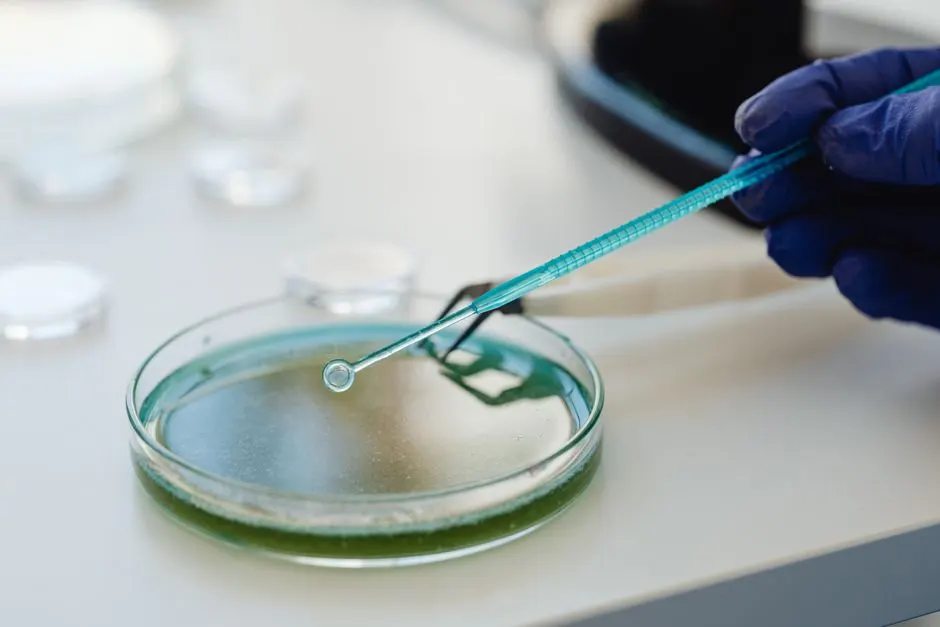
A useful inspection turns uncertainty into a practical plan. We connect observed growth, moisture readings, and building conditions, then explain what needs correction and what does not. You leave with specific locations to address, a clear account of any sampling, and next steps suited to your home rather than a generic treatment recommendation.
Locate the Moisture Source
Mold control starts with water control. We trace likely sources such as a supply-line leak, roof entry, bathroom exhaust problem, or damp crawl space, then compare readings around the affected area. A Tramex or Protimeter moisture meter helps document material conditions and distinguish a localized wet spot from a broader pattern.
Check Beyond Visible Growth
A clean-looking wall does not rule out moisture inside a cavity. We follow musty odors and staining toward likely concealed areas, using a borescope when access and conditions justify it. This approach helps you decide whether targeted opening, repair, or additional sampling is warranted before a small concern spreads.
Choose Sampling With Purpose
Sampling is useful when a specific question needs evidence, such as whether airborne spores differ between rooms or whether a surface material is affected. We select air or surface methods based on the inspection findings, explain the collection locations, and avoid treating a sample result as a substitute for moisture control.
Support Better Decisions
A house mold inspector in Spokane, Washington can help you prioritize repairs before you authorize removal or close on a property. We document observed conditions and moisture concerns in plain language, so you can share findings with a contractor, property manager, buyer, or seller and plan the next step with useful context.
Customer feedback Not stated
A South Hill homeowner described a clear inspection after a bathroom leak, including moisture checks beyond the visible stain. The findings helped narrow the repair area and made it easier to confirm drying before the wall was closed.
Customer feedback Not stated
A Spokane homebuyer said the basement assessment separated dry historic marks from a location that needed follow-up. The specific observations helped the buyer raise focused questions during the transaction rather than relying on a vague odor concern.
Customer feedback Not stated
A West Central homeowner noted that the attic inspection checked the stain and nearby materials after roof work. The explanation identified where to direct the roofer and what to monitor through the next seasonal change.
Our local experience comes from inspecting real homes with leaks, condensation, musty odors, and hidden dampness across Spokane. We use established inspection and sampling practices, explain limits clearly, and connect mold concerns to the water conditions that support them. Where remediation is needed, we reference ANSI/IICRC S520 Standard for Professional Mold Remediation as a recognized framework and keep inspection findings distinct from removal work. We do not claim a credential or job count that has not been established; we focus on careful observations, documented readings, and practical communication.
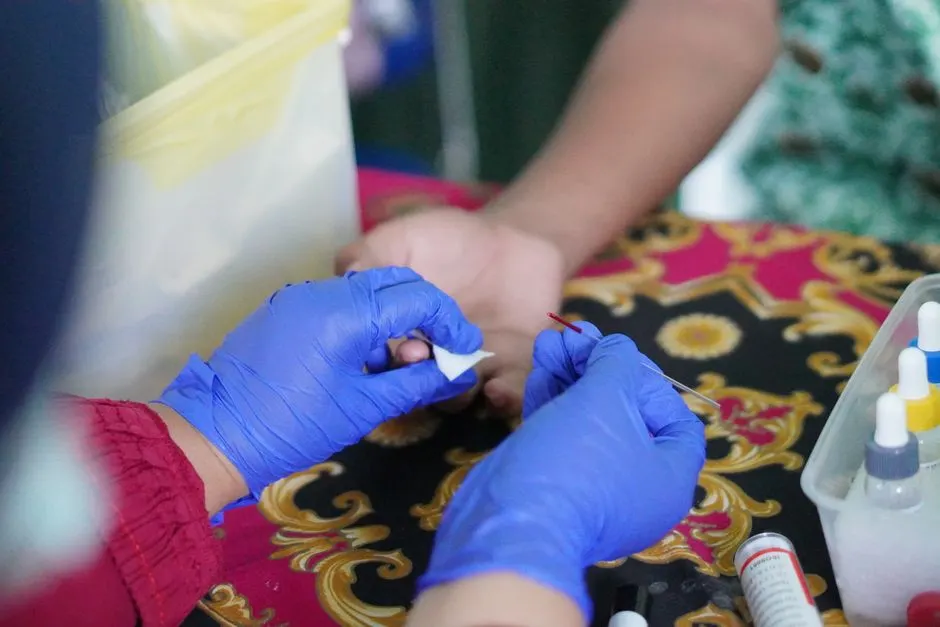
Real answers to the questions we hear most often from local homeowners and property managers.
A broader mold inspection can address a property-wide concern when the reported issue extends beyond one room. For Spokane homeowners, we connect visible conditions, moisture patterns, and building history, then identify areas that need closer attention or follow-up.
View Mold InspectionMold testing adds laboratory analysis when a sample can answer a specific question about airborne or surface material. We pair results with the inspection context, since a laboratory report alone does not locate a leak or determine the repair needed in your Spokane home.
View Mold TestingIndoor air quality testing can help investigate airborne particle concerns alongside moisture and ventilation observations. We discuss the rooms, occupancy patterns, and symptoms you report, then select relevant measurements rather than treating one air sample as a complete diagnosis.
View Indoor Air Quality TestingAfter remediation, clearance testing checks whether agreed post-work conditions have been met. We inspect the work area and, when appropriate, collect samples using the planned method. Spokane homeowners can use the findings to document a transition from cleanup to normal use.
View Mold Clearance TestingPost-remediation verification reviews the completed work area for visible residue, moisture concerns, and other agreed conditions. It gives you an independent check after cleanup and helps identify whether additional correction is needed before the space returns to service.
View Post-Remediation VerificationA moisture inspection focuses on the source and spread of dampness, even when mold is not visible. We check suspect materials and nearby reference points, helping Spokane homeowners prioritize leak repair, drying, and monitoring before concealed growth becomes a larger concern.
View Moisture InspectionTell us what happened, where you noticed the odor or staining, and whether water entered the property. Call +1 866-896-8166 to speak with Spokane Mold Testing about an inspection or testing question. Our listed business hours are Monday through Friday, 8:00 a.m. to 6:00 p.m.; if a leak is active, call promptly and describe the conditions.
Phone
+18668968166Address
Spokane, Washington
Hours
Mon–Fri: 7AM – 7PM
Sat: 8AM – 4PM
Sun: Emergency Only
24/7 Emergency Available