
Riverfront Park
Riverfront Park is a recognizable downtown orientation point near the Spokane River. It can help callers describe which side of the central area their building is on, while the exact property address remains necessary for routing.

Mold Inspection and Testing in Downtown Spokane is a building assessment that locates moisture conditions and evaluates suspected mold when visible growth, water damage, or persistent odor raises concern. Spokane Mold Testing serves West Downtown, East Downtown, Riverfront, and the Railroad District, where historic brick and masonry commercial buildings sit beside newer mixed-use construction. That varied building stock calls for inspection methods matched to each surface and assembly, not a quick visual glance alone.
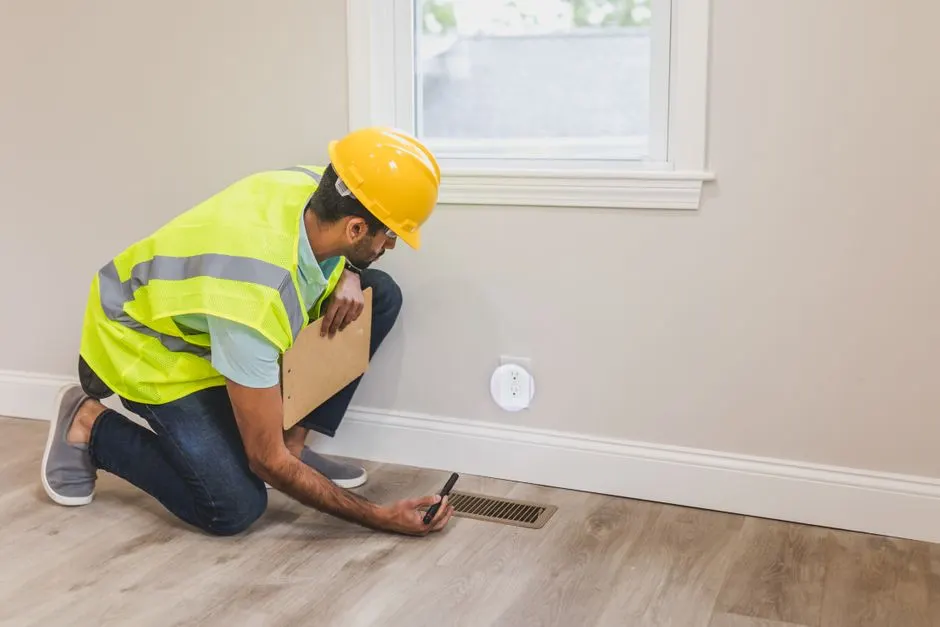
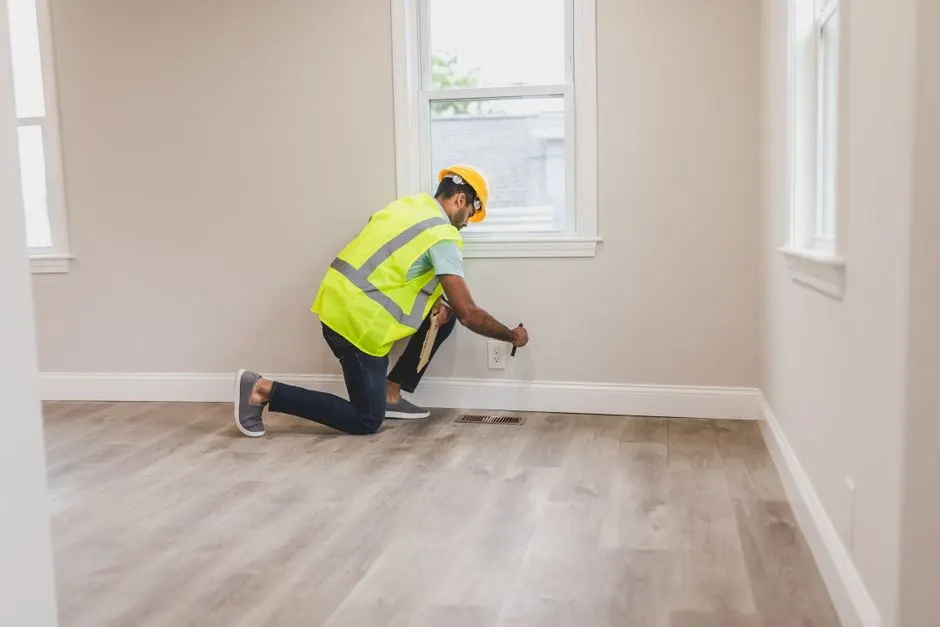
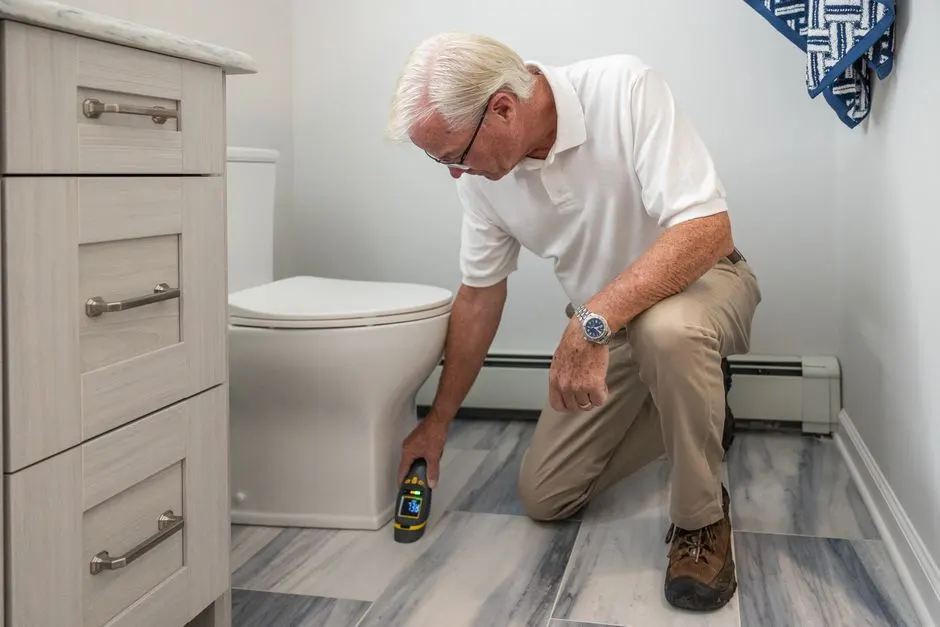
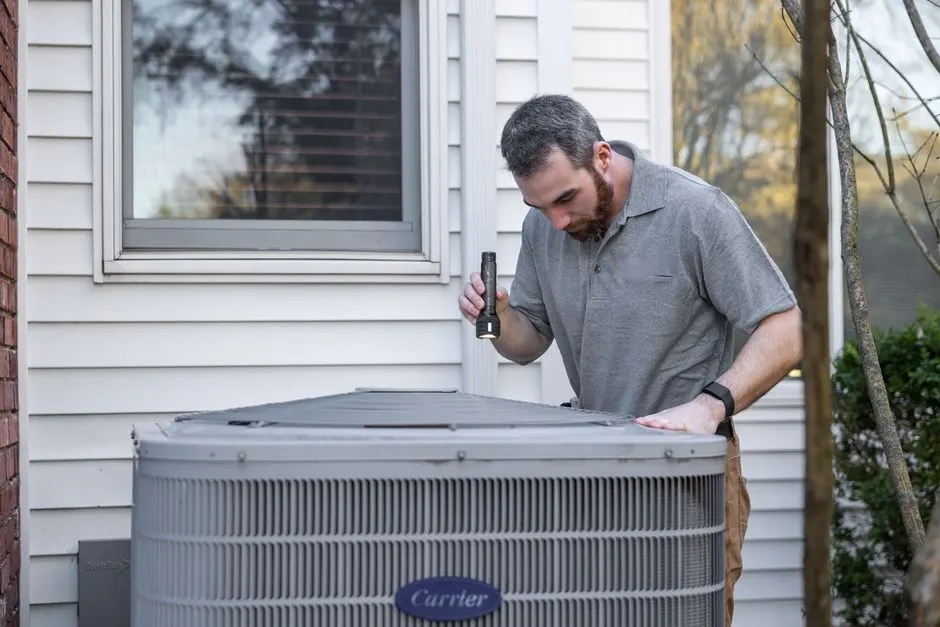
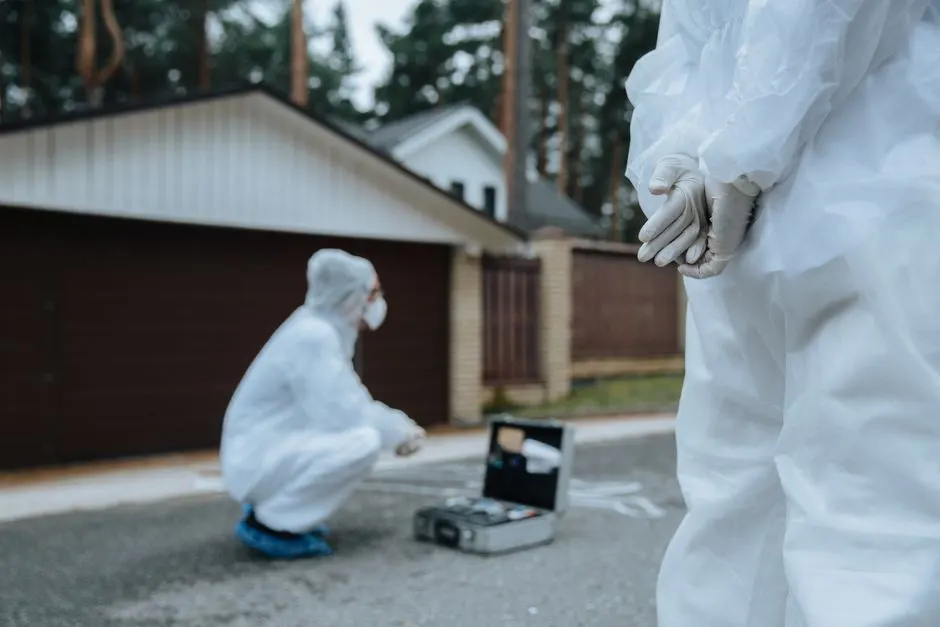
The Spokane River and riverfront setting can contribute to localized humidity and water exposure, while cold winters and freeze-thaw cycles increase the chance of leaks and condensation. Our mold inspection and testing Downtown Spokane WA service starts with your concerns, a room-by-room visual review, and moisture readings. We use a FLIR infrared thermal camera to identify temperature patterns and a Tramex moisture meter to check suspect materials; neither tool alone proves mold is present.
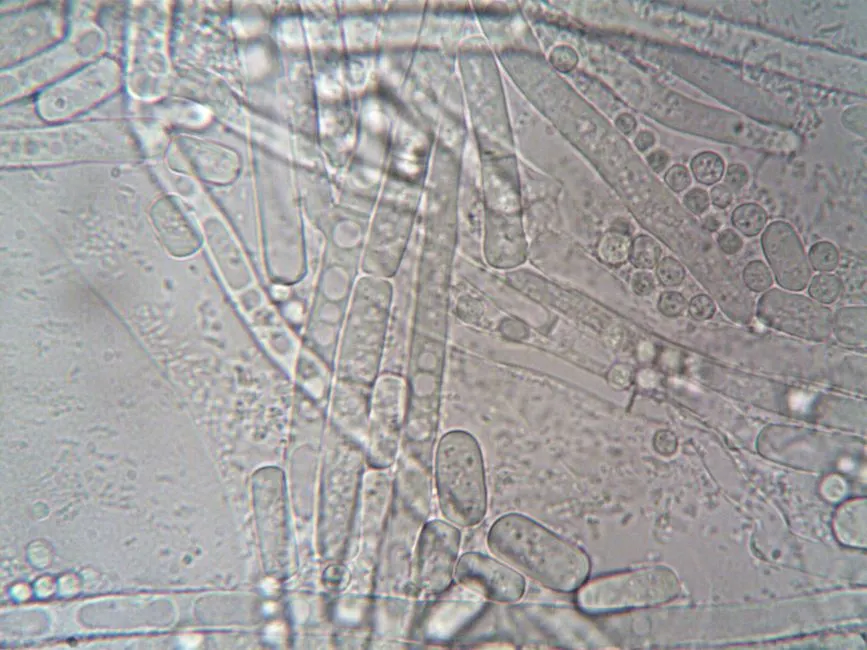
When sampling is warranted, we collect targeted air or surface samples and send them for laboratory analysis. You receive the findings, sample locations, moisture observations, and recommendations in a report you can use with a property manager, contractor, or transaction team. We keep the inspection focused on your question: what is wet, what needs testing, and what should happen next.
Downtown Spokane properties range from compact apartments to multi-floor commercial buildings, so the right service depends on the moisture history and the question you need answered. If you need mold testing for a home in Downtown Spokane, Washington, we first inspect the rooms and identify conditions that could affect sample selection. A water mark, a recurring odor, and a post-remediation clearance check each call for a different scope. We explain the process before collecting samples and tie every result to its location.

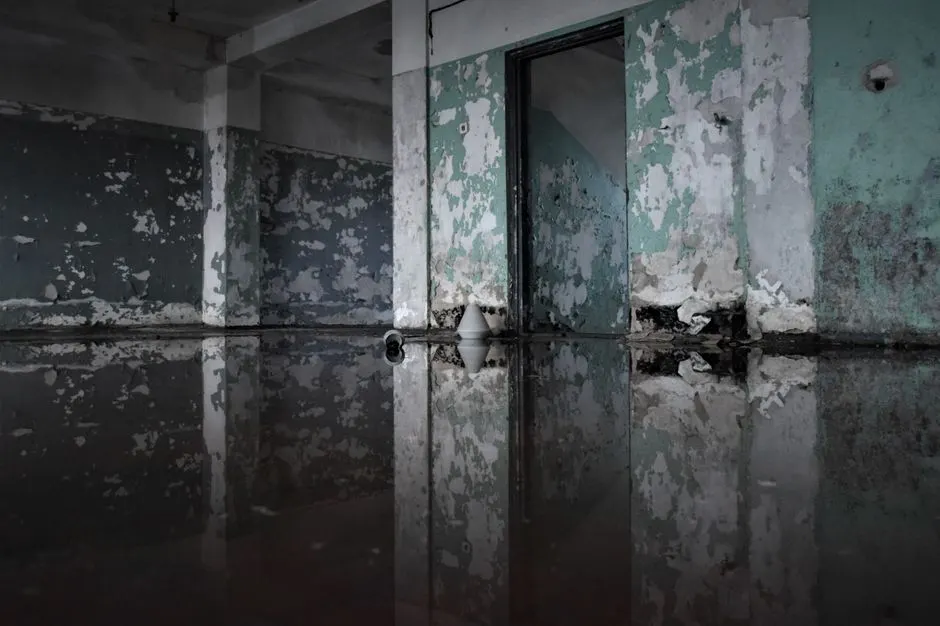



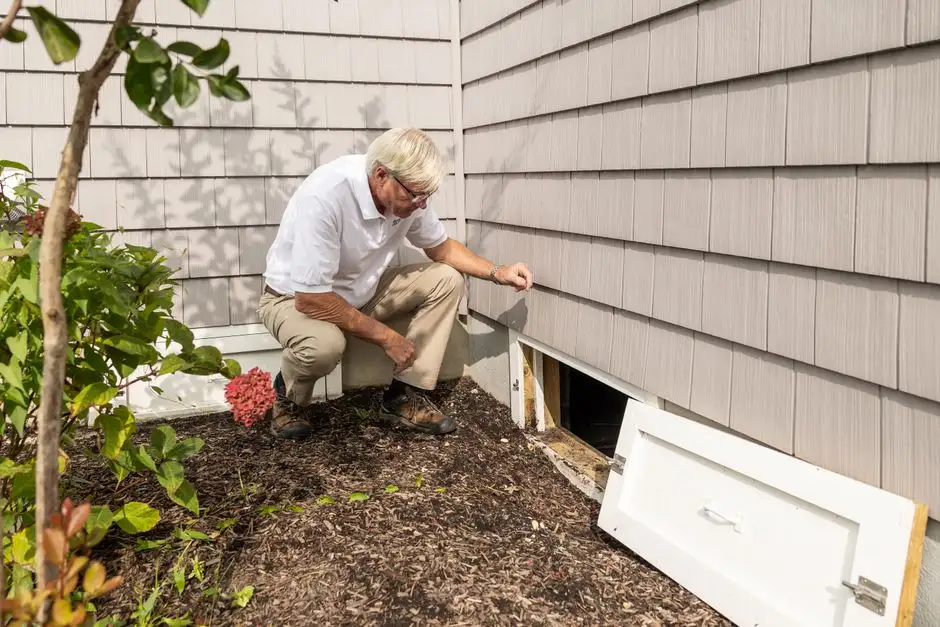
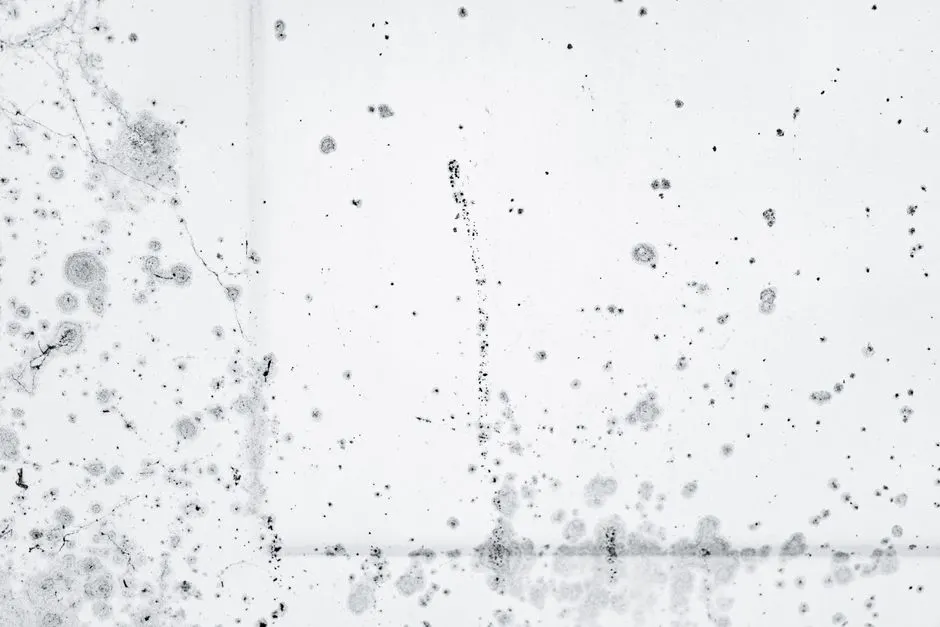
Historic brick and masonry commercial buildings alongside newer mixed-use construction create different inspection conditions across Downtown Spokane. Cold winters and freeze-thaw cycles can increase risks from leaks and condensation, while riverfront humidity and water exposure vary by building and block. Our independent mold assessment Downtown Spokane starts with direct evidence: water history, material readings, and visible conditions. We do not infer mold from building age, proximity to the river, or a musty smell alone.
A plumbing leak can wet drywall, insulation, or flooring before a stain appears. In apartment and commercial buildings, shared walls and concealed pipe routes make the visible mark an incomplete map of the affected area.
Cold outdoor temperatures can cool roof materials while indoor moisture moves upward, creating condensation under some conditions. Roof leaks and ventilation details can look similar, so a dark mark alone does not identify the source.
Cold glass and frames can collect indoor moisture during winter. Older commercial masonry and renovated interiors may have varied insulation and air movement, causing condensation to be localized rather than uniform throughout a building.
A previous roof, plumbing, or window leak can leave damp material behind a later renovation. Offices, hotels, and apartments also have different ventilation and occupancy patterns, so a shared odor may have more than one possible source.
Call for an inspection when a musty odor persists, water has entered a room, or visible spotting returns after cleaning. Downtown Spokane's older masonry buildings and newer mixed-use properties can hide different moisture paths, so a surface appearance alone may not explain the source. If you need mold inspection after a water leak in Downtown Spokane, arrange an assessment after the leak is controlled and note which materials stayed wet. We check the source clues, affected area, and whether sampling is useful.
Musty odor returns after airing rooms
A recurring odor can point to damp materials or concealed growth, but odor alone does not identify the cause. Check for a recent leak, condensation, or a closed cavity nearby. If the smell returns after ventilation and cleaning, an inspection can trace moisture clues before finishes are disturbed.
Ceiling stain grows after thaw or rain
A stain that changes after weather may indicate water entry from a roof, window, or plumbing route. Photograph its size and note when it changes. Prompt moisture measurement helps determine whether materials are currently wet and whether the affected area needs drying or further investigation.
Window corners show repeat spotting
Repeated spotting near cold glass can be associated with condensation, especially during winter. Check whether the surface is damp and whether indoor humidity remains high. If spotting spreads to surrounding finishes or returns despite routine cleaning, inspection can assess the material and identify conditions contributing to it.
Water leak left wall or floor materials wet
Wet drywall, flooring, or insulation needs attention because prolonged dampness can support mold growth. Record when the leak occurred and whether drying equipment was used. If materials remain wet or odor develops, a moisture inspection can document affected areas and guide the next step.
Vent supplies air with a persistent odor
An odor near a vent may come from a nearby wet surface, drain, filter, or HVAC component; it does not automatically prove duct contamination. If the odor follows system operation, note when it occurs and which rooms are affected. An HVAC-focused inspection can check accessible components and moisture evidence.
Downtown Spokane is compact, but building entrances and loading arrangements vary by block. We use familiar landmarks as orientation points when confirming your address, then rely on the exact street, suite, and access instructions for arrival. Riverfront Park and River Park Square help distinguish central approaches, while Spokane Convention Center and Spokane Arena provide recognizable references on the eastern side of the core. A clear entrance note saves time in multi-tenant buildings.
Riverfront Park is a recognizable downtown orientation point near the Spokane River. It can help callers describe which side of the central area their building is on, while the exact property address remains necessary for routing.
River Park Square is a central shopping and parking landmark. It provides a familiar reference when locating nearby streets and building entrances in the downtown core.
The Spokane Convention Center is a recognizable landmark in the eastern downtown area. Callers can use it as a general directional reference when providing the street and building details for an inspection.
Bing Crosby Theater is a downtown cultural landmark that helps identify the central business blocks. It is an orientation point only; inspection access is arranged at the customer's property.
Plus surrounding Spokane County neighborhoods, with same-day routing on most appointments.
Averaging 4.9 / 5 across verified reviews.
“We called after finding a ceiling stain in our West Downtown apartment. The inspector checked the area above and beside it, took moisture readings, and explained why one air sample would answer our question better than testing every room. The report was easy to share with our property manager, and we had a clear repair area to discuss.”
Megan R.
West Downtown
“Our office near the convention center had a persistent musty smell after a plumbing repair. The inspection focused on the affected suite and nearby wall instead of making assumptions about the whole floor. We appreciated the documented sample locations and the direct explanation of what the lab results could and could not tell us.”
Daniel P.
East Downtown
“Before moving into a downtown condo, we wanted the old window staining checked. The technician measured the surrounding materials, reviewed the condensation history, and gave us a concise report with photos. It helped us distinguish an old mark from an active moisture issue and ask the seller focused follow-up questions.”
Laura S.
Riverfront
As November brings colder weather, Downtown Spokane property owners should watch for condensation, freeze-related leaks, and damp areas that stay closed up through winter. Spring thaw can reveal roof or window entry; summer work may expose older finishes during renovation; fall rain and cooling temperatures put attention back on seals and drainage. If you need airborne mold spore testing in Downtown Spokane WA, we first inspect the source conditions so samples answer a useful question rather than replace moisture investigation.
Thaw and spring rain can reveal leaks around roofs, windows, and exterior joints that were difficult to spot during colder months. Check ceilings and window surrounds after wet weather, especially if an old stain changes or a musty odor returns.
Tip: Photograph changing stains and note the weather and date. If a material stays damp, arrange moisture checks before repainting or covering the area.
Warmer weather can expose problems during renovation or after extended ventilation changes. Commercial interiors may have different humidity patterns from apartments, and concealed materials can be disturbed during finish work.
Tip: Before closing a renovated wall, confirm that the leak source is repaired and framing is dry. Ask for an inspection if odor or staining remains.
Rain, cooler nights, and reduced window ventilation can bring attention to window condensation and earlier water-entry points. Building managers often prepare properties for colder conditions, making this a practical time to check known problem areas.
Tip: Inspect window corners, roof-level ceilings, and plumbing access areas before winter. Repair active water entry and keep a record of recurring stains.
Cold surfaces and freeze-thaw cycles can increase condensation and leak concerns. A frozen or thawing pipe can wet walls quickly, while indoor moisture may collect on windows or other cold surfaces. Drying and source control come first.
Tip: If a pipe leaks, stop the water, document affected rooms, and begin appropriate drying. Call for moisture assessment if finishes remain wet, odor develops, or the affected area is unclear.
Downtown Spokane is one part of our Spokane County service area. We also travel to nearby neighborhoods and communities for residential, rental, and commercial assessments, scheduling the visit around the affected property and access needs. If your building sits just beyond the downtown core, share the address and concern so we can identify the appropriate service page and arrange the right inspection scope.
(City)
Northwest Spokane is a neighboring service area connected to the downtown core by local streets and regular property travel.
View Northwest Spokane(City)
South Hill lies south of Downtown Spokane and shares the broader Spokane property service region.
View South Hill(City)
North Hill is north of the downtown core, with local routes connecting residential properties to central Spokane.
View North Hill(City)
West Central borders the downtown service area and is reached through the connected west-side street network.
View West Central(City)
East Central extends east from Downtown Spokane within the same city service region.
View East Central(City)
Logan is another nearby Spokane neighborhood where the same moisture and sampling services are available.
View LoganReal answers from our team for the questions we hear most often before a job starts.
Mold Inspection and Testing in Downtown Spokane gives you documented moisture findings and targeted testing when your property needs a clear answer. We serve apartments, offices, and commercial buildings across 99201 and Spokane County. Call Spokane Mold Testing with the address, leak history, and rooms affected; our team will help you choose the appropriate inspection and arrange the next step.
Tell us what happened, where you noticed the odor or staining, and whether water entered the property. Call +1 866-896-8166 to speak with Spokane Mold Testing about an inspection or testing question. Our listed business hours are Monday through Friday, 8:00 a.m. to 6:00 p.m.; if a leak is active, call promptly and describe the conditions.
Phone
+18668968166Address
Spokane, Washington
Hours
Mon–Fri: 7AM – 7PM
Sat: 8AM – 4PM
Sun: Emergency Only
24/7 Emergency Available