Logo
Get Estimate

Basement and Crawl Space Mold Inspection Spokane WA

Find dampness, identify mold concerns, and plan your next step.


Basement and Crawl Space Mold Inspection Spokane WA helps homeowners track down musty odors, water intrusion, and suspected growth below grade. We inspect visible surfaces and accessible concealed areas, measure moisture, and explain whether sampling is useful. If you have a wet basement, a crawl space odor, or a plumbing leak that left damp materials, our Spokane team gives you practical findings and a clear path forward.

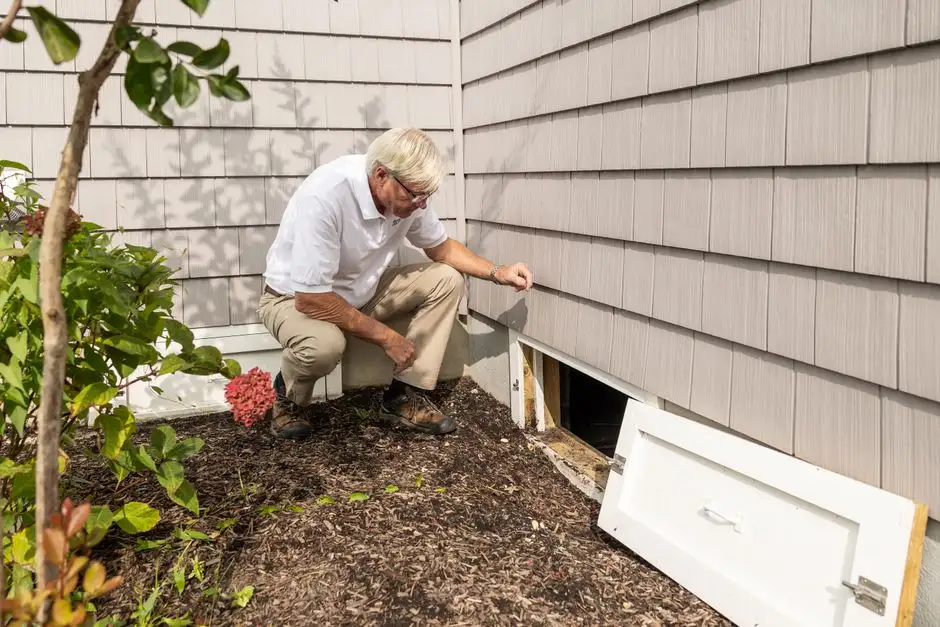
Senior adult inspecting a crawl space entrance during a home inspection on a sunny day.
Licensed Licensed & Bonded
Fully Insured Insured & Bonded
24/7 Emergency Same-Day Response
Warranty Backed Workmanship Guaranteed in Spokane

What's Included in the Inspection

Your inspection covers accessible basement and crawl space surfaces, visible moisture clues, odor concerns, and targeted moisture measurements. We explain where evidence appears and what it suggests about the source. Air or surface sampling is added only when it answers a specific question; laboratory analysis and destructive access are separate considerations discussed with you before they are pursued.

Accessible Area Review

We examine visible foundation surfaces, floor edges, framing, insulation, and plumbing routes in accessible areas. We note staining, water marks, condensation, and musty odors, and identify locations blocked by stored items or restricted access so you know what the inspection could and could not cover.

Moisture Measurements

We take targeted readings on suspect materials and compare them with nearby surfaces. This helps distinguish a damp area from a dry reference point and guides further inspection. Readings are recorded with location context because material type and surface conditions affect how a number should be interpreted.

Moisture Source Review

We look for practical pathways such as plumbing leaks, foundation seepage, drainage concerns, and condensation on cold surfaces. When evidence points toward a source, we explain what should be corrected first. Finding and documenting a likely pathway helps keep cleanup from getting ahead of the repair.

Sampling Discussion

If sampling is appropriate, we explain whether an air or surface sample best fits your question and identify the collection location. An air sampling pump and spore trap cassette or a surface swab may be used. Laboratory analysis is an add-on and is interpreted alongside the site observations.

Findings and Next Steps

We review observations, readings, and any collected sample results with you. You receive practical priorities for stopping moisture, drying affected materials, or arranging further evaluation. The inspection does not replace remediation or plumbing repairs; it helps you understand what work the evidence supports.

Basement and Crawl Space Mold Inspection Spokane WA


Basement and Crawl Space Mold Inspection Spokane WA is a property inspection that identifies moisture conditions and visible or suspected mold growth in below-grade spaces. We check foundation walls, floor edges, sill plates, joists, insulation, stored materials, plumbing penetrations, and accessible framing. A moisture meter helps distinguish a damp surface from a dry one, while an infrared thermal camera can point to temperature differences that deserve closer inspection. The goal is to connect evidence to a likely moisture source, not simply note a stain. If testing is warranted, we explain the sampling choices before collecting anything.

Spokane homes face below-grade moisture from snowmelt, heavy rain, leaking supply or drain lines, and condensation where cold foundation surfaces meet humid indoor air. A crawl space can stay damp even when the main floor feels comfortable, and a basement can develop musty odors after a small leak dries at the surface. Our Spokane basement and crawl space mold inspection looks for the conditions behind those symptoms. If you need to inspect a damp basement for mold in Spokane WA, we trace moisture patterns, document affected materials, and discuss what should be addressed first.

What to Expect During Inspection

Basement and Crawl Space Mold Inspection Spokane WA follows a straightforward sequence: we hear what you have noticed, inspect accessible areas, measure moisture, and explain what the evidence supports. Most site visits take about 2 to 4 hours, depending on access, property size, and the number of affected areas.

01

Schedule

Call or book online — a real human picks up and confirms a 2-hour arrival window.

02

Diagnose

Licensed tech inspects on-site, then walks you through the cause and your options.

03

Fix

The job is completed to code and done right the first time — no shortcuts, no surprises.

04

Guarantee

Every job backed by a written workmanship warranty — and we stand behind it.

Tools and Inspection Methods

Tools & Equipment

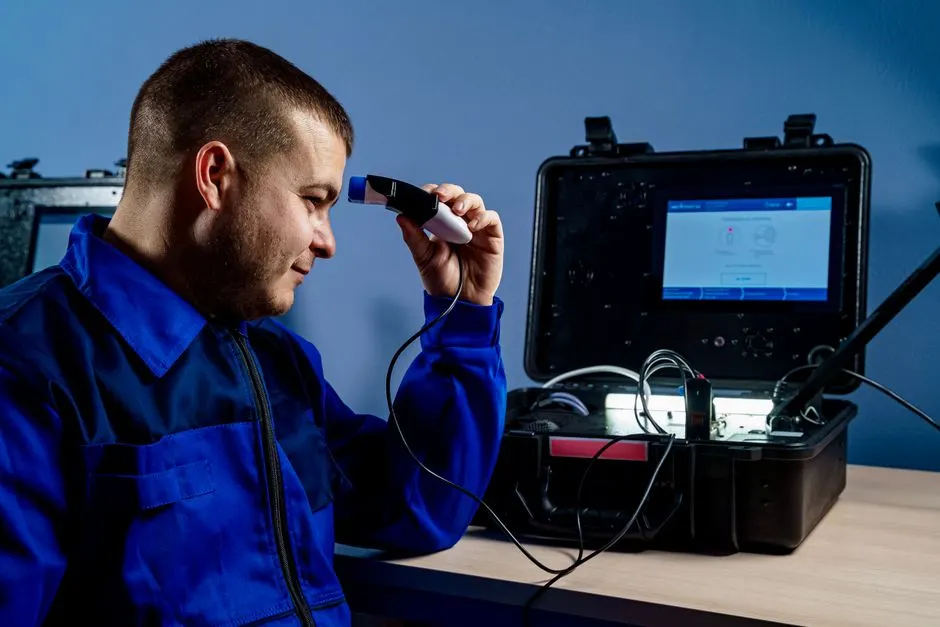
Infrared thermal camera

We use thermal imaging to identify temperature patterns that may point to dampness, air leakage, or a cold surface. It is a screening aid, not proof of mold or moisture, so we verify notable patterns with direct inspection or a meter.

Tramex moisture meter

A pin and pinless moisture meter helps compare suspect materials with nearby reference areas. We record where readings are taken and interpret them in relation to material type, visible conditions, and the likely water source.

Thermo-hygrometer

This instrument measures air temperature and relative humidity in the inspected space. Those readings help explain condensation risk and indoor dampness, especially where cool foundation surfaces meet humid air.

Borescope

A borescope can help view a limited concealed area through an existing opening when access and conditions allow. It supports a targeted investigation but cannot replace a full opening where materials must be directly examined.

Air sampling pump and spore trap cassette

When airborne sampling is useful, the pump draws a measured air volume through a spore trap cassette. We document the location and conditions so the laboratory result can be considered alongside the inspection findings.

Methods & Standards

Moisture pathway tracing

We follow water marks, material transitions, plumbing routes, and foundation details to identify plausible entry or condensation pathways. Readings are compared across affected and unaffected areas. This keeps the inspection focused on why materials became damp, rather than treating a stain as the whole problem.

Targeted air and surface sampling

Sampling is selected to answer a defined question. Air sampling can compare selected indoor conditions, while a surface sample characterizes material collected from a specific spot. We record collection locations and explain that a sample represents only the material or air captured at that time.

Standards-informed interpretation

We use ANSI/IICRC S520 as a reference when discussing mold remediation concepts and ANSI/IICRC S500 for water-damage restoration context. These standards help frame practical next steps, but inspection findings remain specific to the observed property, materials, and moisture conditions.

Visual and access documentation

We document accessible surfaces, observed conditions, and barriers that limit inspection. If stored belongings, a sealed finish, or restricted crawl space access blocks a view, we identify that limitation and explain whether moving items, further access, or another method would help answer the question.

When to Schedule an Inspection

01

A basement smells musty after a frozen pipe thawed during Spokane's winter cold.

What we do: We inspect the leak area and connected materials for remaining dampness, water marks, and visible growth. Moisture readings help show whether drying appears complete or whether finishes need further evaluation. We can discuss sampling if a specific question remains after the physical inspection.

→ You learn whether the affected area appears dry, where additional checks are needed, and what to address before repainting or replacing materials.

02

A crawl space feels damp after spring rain, while the rooms above have an unexplained odor.

What we do: We review accessible crawl space framing, insulation, and ground-level moisture clues, then consider possible odor pathways into the home. If access is limited, we document that clearly and identify what would be needed for a closer look. We connect findings to drainage and ventilation concerns without assuming one cause.

→ You receive a practical distinction between visible evidence, suspected concealed conditions, and repairs that could reduce recurring dampness.

03

A buyer notices old staining and a dehumidifier running in a Spokane basement.

What we do: We inspect the stained area, nearby foundation surfaces, and accessible plumbing, then take moisture readings where conditions warrant. We document active versus dry indicators and explain what a one-time inspection can establish. If the buyer has a specific concern, we discuss targeted sampling or follow-up access.

→ You have clear observations to guide questions about water history, repairs, and future maintenance before making a property decision.

04

A rental property has recurring basement dampness after tenants report a mold-like smell.

What we do: We review the reported location, check accessible materials, and look for moisture patterns that may relate to plumbing or foundation entry. Findings are organized so a property manager can coordinate source correction and any needed remediation. We explain whether further sampling would answer a useful question.

→ You can prioritize maintenance based on documented conditions and communicate the next steps to occupants and contractors.

How Spokane Basement Inspections Work

Spokane's cold winters, freeze-thaw periods, and wet spring conditions can expose foundation seepage, plumbing leaks, and condensation in below-grade spaces. Homes also vary in age, foundation construction, drainage, and crawl space access, so we inspect the actual building rather than assume one standard layout. Our below-grade moisture and mold inspection Spokane approach checks accessible foundation walls, floor edges, utility routes, and framing, then compares suspect readings with nearby materials. Older homes may have finished basement walls that conceal the original surface; newer finishes can also trap moisture after a leak. We note what is visible and identify access limits. If you need a basement mold testing near me Spokane search result to answer a concern, remember that sampling supports an inspection question but does not locate the water source by itself. We look for that source first, explain findings in plain language, and connect recommended next steps to established water-damage and remediation guidance. This gives Spokane County homeowners a useful basis for repair, drying, or further evaluation.

Neighborhoods We Serve

  • South Hill

    Sloped lots and below-grade rooms can make water movement differ from one side of a home to another. We check the affected wall and nearby floor edge for a consistent moisture pattern.

  • Browne's Addition

    Older properties may have finished basement surfaces that limit a direct view of foundation materials. We document accessible areas and identify where concealed conditions need a closer look.

  • West Central

    Basement utility areas and plumbing routes can provide useful clues after a leak. We inspect around visible lines and compare damp readings with nearby dry materials.

  • Northwest Spokane

    Crawl space access and drainage vary by property. We focus on reachable framing, insulation, and moisture patterns, then explain any areas blocked from inspection.

Local Conditions We Plan For

  • Freeze-thaw cycles expose weak points around foundation openings

    Changing temperatures can stress joints and allow water entry when snow or rain reaches the foundation. We look for water marks, damp edges, and nearby material changes, then relate observations to the conditions present during the visit.

  • Cold concrete meets humid indoor air during winter

    Condensation can form on cold surfaces even without a plumbing leak. We measure room conditions and inspect the affected surface so you can distinguish a condensation pattern from other likely water sources.

  • Spring runoff leaves crawl space materials damp

    Recurring dampness can affect framing and insulation and may contribute to odors upstairs. We document accessible areas and look for patterns that help separate seasonal wetting from a continuing leak.

Basement Leak Aftermath

Before

A homeowner found a musty smell beside a basement utility wall weeks after a small plumbing leak. The visible stain looked dry, but the odor persisted and the wall finish had not been opened. Without measurements, it was unclear whether moisture remained or whether the smell came from another source.

After

Inspection documented the affected wall and nearby floor edge, with readings compared across three locations. The pattern focused attention on the former leak area rather than the entire basement. The homeowner had a clear sequence: confirm the plumbing repair, dry the affected materials, and evaluate concealed surfaces if the odor continued.

Maintenance: Keep the repaired area visible until it has dried, and check it after heavy use of the nearby plumbing. If the odor returns or readings rise, arrange follow-up before repainting or replacing the finish.

Before

A crawl space had a damp odor after spring rain, and the owner could not see beyond the access opening. Insulation appeared uneven, but there was no clear view of the full perimeter. The uncertainty made it difficult to tell whether the problem was a one-time event or recurring moisture.

After

The inspection documented reachable framing and insulation, identified the limits of access, and noted where dampness was most evident. The owner received specific areas to address for drainage review and a clearer basis for arranging additional access. Findings separated directly observed conditions from areas that remained concealed.

Maintenance: Check the access area and visible framing after major rain or snowmelt. Keep stored items away from the opening and revisit drainage conditions if dampness or odor returns.

Before

A buyer noticed old staining and a running dehumidifier in a Spokane basement. The seller described the stain as historical, but the buyer wanted to know whether the wall was still damp. No one had compared the marked area with nearby foundation surfaces.

After

The inspection recorded the stain, checked nearby materials, and compared moisture readings at four points. The findings identified which surfaces appeared dry at the visit and where follow-up questions about drainage and repair history remained. The buyer could discuss specific conditions rather than relying on the odor or appearance alone.

Maintenance: After purchase, check the basement during the next wet season and keep a record of any new staining or odor. Address active water entry promptly and avoid covering damp materials before the source is corrected.

Solve Below-Grade Moisture Questions

Basement and crawl space problems often stay unresolved because an odor or stain is treated without finding the water source. We trace what can be observed, measure suspect materials, and explain whether the issue points to seepage, condensation, or a leak. That gives you a clearer first move.

Problem

A persistent musty odor with no visible basement growth

The odor can continue after surface cleaning if damp materials or a concealed leak remain. Delaying source correction may allow affected finishes or stored items to stay wet.

Our Fix

We inspect likely odor pathways, check accessible materials for moisture, and compare readings around the affected area. If the source remains unclear, we explain whether targeted sampling or additional access could help. You get a focused plan for the next inspection or repair rather than a guess based on smell alone.

Problem

Crawl space dampness after snowmelt or heavy rain

Repeated wetting can keep wood, insulation, and debris damp, creating conditions that support mold growth and persistent odors entering living areas.

Our Fix

We document accessible damp areas and look for water entry patterns, condensation, and drainage clues. A crawl space moisture inspection helps distinguish a one-time wetting event from a recurring condition. We explain which observations call for drainage correction, drying, or a more detailed mold evaluation.

Problem

Water staining beside a basement plumbing line

A small supply or drain leak can wet concealed materials before a wall or ceiling shows obvious damage. Covering the stain without repair may leave moisture trapped.

Our Fix

We trace visible staining to nearby plumbing and building materials, take targeted moisture readings, and note whether the surrounding area appears affected. If you need a mold assessment after basement water intrusion Spokane WA, we connect the inspection findings to the leak history and help prioritize repair, drying, and follow-up.

Problem

Uncertainty about whether a dark mark is mold

Misidentifying ordinary staining can lead to unnecessary removal, while ignoring actual growth can leave the moisture source unresolved.

Our Fix

We assess the mark's location, appearance, moisture context, and surrounding materials. If visual inspection cannot answer your concern, we explain a suitable surface sampling option and its limits. The result is interpreted with the site conditions so you can decide whether cleaning, repair, or professional remediation is warranted.

Clear Findings, Practical Next Steps

Clear Findings, Practical Next Steps

A useful inspection answers three questions: where moisture is entering, which materials show evidence of growth, and what action makes sense next. We explain findings in plain language and separate observed conditions from items that need additional testing, so you can make decisions based on the house in front of you.

  • Locate Moisture Sources

    We check foundation surfaces, plumbing lines, floor-wall joints, and accessible framing rather than treating every dark mark as mold. A pin and pinless moisture meter helps compare readings across materials; documented readings give you a practical baseline for repairs and follow-up.

  • Find Concealed Warning Signs

    Musty odors, staining, and unexplained dampness can point to hidden mold growth behind stored items or near a concealed leak. We use visual inspection and targeted tools to identify areas that need closer access, helping you avoid unnecessary demolition while not overlooking a meaningful concern.

  • Choose Testing Deliberately

    Sampling is useful when it answers a specific question, such as whether airborne spores are elevated or whether a surface has mold-like growth. We explain what a sample can and cannot establish before collecting it, then connect the result to the inspected conditions instead of presenting a lab number without context.

  • Support Repair Decisions

    Your findings can help prioritize a plumbing repair, drainage correction, drying plan, or professional remediation. For a basement mold assessment Spokane WA homeowners receive documented observations and clear next steps, so conversations with contractors, property managers, or real-estate professionals start with useful facts.

Standards and Field Practices

Licensed & Certified

  • IICRC Applied Microbial Remediation Technician — issued by Institute of Inspection, Cleaning and Restoration Certification
  • ACAC Council-certified Microbial Consultant — issued by American Council for Accredited Certification
  • ACAC Council-certified Indoor Environmentalist — issued by American Council for Accredited Certification
  • EPA Mold Course Certificate — issued by U.S. Environmental Protection Agency

Verified Reviews

Customer feedback Not displayed

A South Hill homeowner described an inspection after a basement plumbing leak. The inspector compared moisture readings around the affected wall and explained why the stain needed a closer look before the finish was replaced. The homeowner valued the clear distinction between measured conditions and areas that remained concealed.

Customer feedback Not displayed

A West Central resident requested a crawl space review after a damp spring. The inspection documented accessible framing and explained the access limits without overstating what could be seen. The homeowner said the findings helped organize drainage follow-up and identify what to monitor after the next period of rain.

Customer feedback Not displayed

A Spokane homebuyer wanted old basement staining evaluated before making a decision. The inspector checked several points around the marked area and explained which observations suggested dry conditions at the time of inspection. The buyer used the documented findings to ask focused questions about water history and maintenance.

Field Knowledge and Standards

Basement and crawl space conditions require more than a quick look at visible staining. Our team combines building observations, moisture measurements, and targeted sampling when the question calls for it. We use recognized guidance, including ANSI/IICRC S520 for professional mold remediation and ANSI/IICRC S500 for professional water damage restoration, to keep inspection findings connected to accepted industry practice. We do not claim a certification that has not been earned; instead, we explain the methods used and the limits of each result. You receive observations that support a practical decision, not a promise that one instrument can identify every hidden condition.

  • We distinguish moisture evidence from mold identification, then explain when sampling adds useful information to your inspection.
  • We compare readings across similar materials instead of interpreting one isolated moisture-meter result as a diagnosis.
  • Our inspection approach considers water intrusion, condensation, plumbing leaks, and chronic indoor dampness as separate possible sources.
  • We apply ANSI/IICRC S520 and S500 guidance when explaining the relationship between inspection findings and remediation or drying work.
  • We document access limits clearly, so you know whether a concealed cavity needs a borescope check or further evaluation.
Get Started Today
Field Knowledge and Standards

Basement and Crawl Space Inspection FAQs

Real answers to the questions we hear most often from local homeowners and property managers.

How much does a basement mold inspection cost in Spokane?
A typical 2026 inspection costs about $250 to $650 and takes 2 to 4 hours, depending on access and the number of affected areas. Sampling, a large crawl space, or multiple rooms can raise the total. We explain the price before work begins. Mold sampling is a separate cost when needed because laboratory analysis and the number of samples affect the final amount.
Where can I find a crawl space mold inspector near me in Spokane WA?
Spokane Mold Testing serves Spokane neighborhoods and nearby parts of Spokane County, including Downtown, South Hill, and West Central. Call +18668968166 to discuss the odor, leak, or damp area you have noticed. A crawl space mold inspector near me in Spokane should explain access requirements, moisture checks, and whether sampling fits your concern before starting.
Can an inspection find hidden mold under a house?
Yes, an inspection can identify indicators of hidden growth, but a concealed cavity may require a borescope or limited access to confirm conditions. We check odor, moisture patterns, staining, and accessible framing, then explain what is directly observed versus suspected. A hidden crawl space mold inspection for a Spokane home can also include targeted sampling when it answers a specific question.
Why do Spokane basements develop moisture and mold?
Spokane basements develop moisture when water enters through foundation openings, plumbing leaks, drainage problems, or condensation on cold surfaces. Snowmelt and seasonal rain can expose weak points, while humid indoor air can condense against cool concrete. Mold growth depends on moisture and suitable material, not simply the age of a home. We look for the source before recommending next steps.

Related Services for Spokane Properties

Mold Inspection

A broader mold inspection checks additional rooms and building areas when basement findings suggest the issue may extend beyond below-grade spaces. We compare visible conditions, moisture evidence, and odor patterns so you can understand whether the concern is isolated or connected to other parts of your Spokane property.

View Mold Inspection

Mold Testing

Mold testing adds laboratory analysis when you need an answer about a specific air or surface sample. We select locations based on the inspection question, document collection details, and explain the result in context. Testing complements the physical inspection; it does not replace tracing moisture or evaluating building materials.

View Mold Testing

Indoor Air Quality Testing

If a basement odor appears to move through the home, indoor air quality testing can help assess airborne conditions in selected areas. We discuss sample locations and relevant comparisons before collection. This service may be useful when occupants notice persistent odors or when below-grade findings raise a question about the air upstairs.

View Indoor Air Quality Testing

Mold Clearance Testing

After remediation, clearance testing checks whether defined post-work conditions meet the agreed evaluation criteria. We inspect the treated area and collect samples when appropriate, then report the findings. It is a separate follow-up from the initial basement inspection and is most useful after cleanup and source correction are complete.

View Mold Clearance Testing

Post-Remediation Verification

Post-remediation verification reviews completed work, visible conditions, moisture status, and any agreed testing. For basement or crawl space repairs, verification helps determine whether the affected area is ready for normal use or needs further attention. We focus on the repaired location and the original moisture concern.

View Post-Remediation Verification

Moisture Inspection

A moisture inspection focuses on water pathways and damp building materials, whether or not mold is visible. We check suspect surfaces, compare readings, and look for plumbing, drainage, or condensation clues. Spokane homeowners often pair this service with a below-grade mold inspection after a leak or seasonal seepage.

View Moisture Inspection

Book Basement and Crawl Space Mold Inspection Spokane WA

A wet floor, persistent musty smell, or visible staining deserves a focused inspection before repairs hide the evidence. Call Spokane Mold Testing at +18668968166 to arrange a visit and discuss what you have noticed. We explain upfront pricing before the inspection begins.

Call Our Team Schedule Inspection

Contact Spokane Mold Testing

Tell us what happened, where you noticed the odor or staining, and whether water entered the property. Call +1 866-896-8166 to speak with Spokane Mold Testing about an inspection or testing question. Our listed business hours are Monday through Friday, 8:00 a.m. to 6:00 p.m.; if a leak is active, call promptly and describe the conditions.

Or call us right now at +18668968166 — we answer.

Spokane Mold Testing


  • Phone

    +18668968166
  • Address

    Spokane, Washington

  • Hours

    Mon–Fri: 7AM – 7PM
    Sat: 8AM – 4PM
    Sun: Emergency Only
    24/7 Emergency Available

Call +18668968166 Get Quote
Call Quote