Logo
Get Estimate

Mold Inspection for Real Estate Transactions Spokane WA

Clear findings for Spokane buyers, sellers, and agents


Mold Inspection for Real Estate Transactions Spokane WA helps buyers and sellers identify moisture and mold concerns before a contract deadline or listing decision. Our Spokane team documents visible conditions, checks likely moisture sources, and recommends targeted sampling when useful. A Spokane real estate mold inspection gives you practical findings to discuss with your agent, lender, or remediation contractor before closing.

Real estate agent making a phone call while holding documents near home for sale sign.
Licensed Licensed & Bonded
Fully Insured Insured & Bonded
24/7 Emergency Same-Day Response
Warranty Backed Workmanship Guaranteed in Spokane

What's Included in the Transaction Inspection

Your transaction inspection includes a focused visual review, moisture checks in suspect areas, documentation, and a report connecting findings to your concerns. We discuss sampling when it can answer a defined question; laboratory work is an added testing step when selected. Destructive opening of building materials is not part of a standard visual visit, and we explain when further access would be needed.

Property History Review

We review known leaks, prior remediation, odors, and visible stains with you or your agent. That context guides where we spend inspection time and helps distinguish a reported repair from a condition that remains visible or damp.

Accessible Area Inspection

We inspect accessible rooms and relevant areas such as basements, crawl spaces, attics, and HVAC locations. We record visible growth, staining, water intrusion clues, and access limits so the report reflects what was actually examined.

Moisture Measurements

We take readings at suspect materials and compare them with nearby reference areas when appropriate. Your report identifies the locations and conditions measured, helping you understand whether a stain is associated with current moisture or appears dry at inspection.

Targeted Sampling Option

When a sample is useful, we explain the method and location before collection. Air or surface sampling is an additional step, with laboratory results presented alongside inspection observations rather than treated as a stand-alone verdict.

Written Findings and Next Steps

You receive a written summary of observations, measurements, sample details if collected, and practical recommendations. The report is organized for review with your agent and can guide repair discussions, follow-up evaluation, or a decision to proceed.

Mold Inspection for Real Estate Transactions Spokane WA


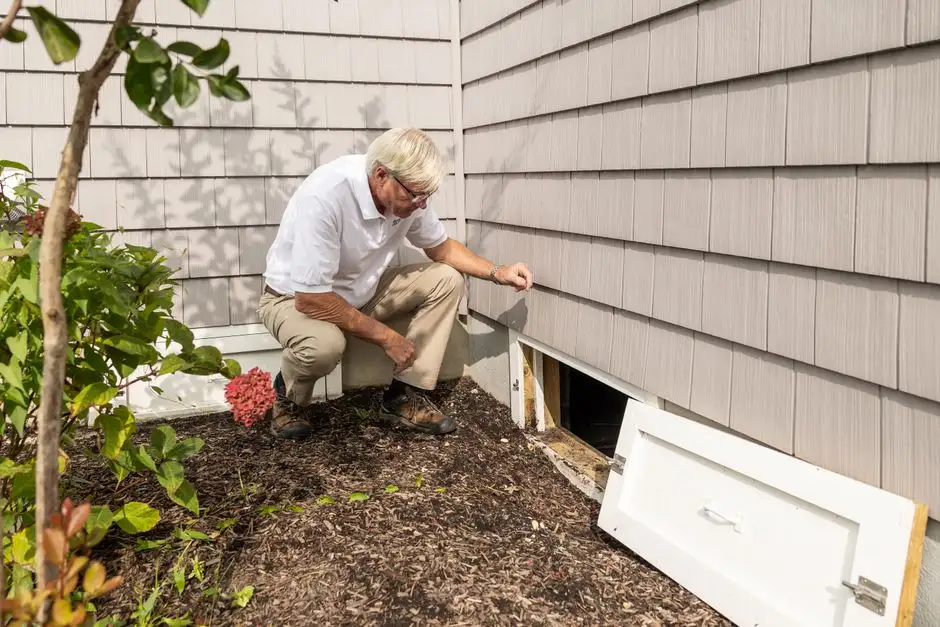
Mold Inspection for Real Estate Transactions Spokane WA is a property assessment that checks for visible mold, moisture conditions, and areas where hidden growth could affect a sale or purchase. We inspect accessible rooms, basements, crawl spaces, attics, and relevant HVAC areas, then record observations and moisture readings. A pin and pinless moisture meter helps check building materials without relying on appearance alone. If the findings justify testing, we explain suitable air or surface sampling and document the reason for it in a clear report.

Spokane homes face transaction concerns after roof leaks, frozen or burst plumbing, basement seepage, and attic condensation during cold weather. In Spokane County, a musty odor or repaired stain deserves a closer look before contingencies expire. Our real estate mold assessment Spokane WA service helps buyers, sellers, and agents distinguish an active moisture issue from an old, dry mark. For a mold inspection for a Spokane real estate transaction, we focus on the areas and records most likely to affect the decision, then explain what needs attention and what does not.


What to Expect During the Inspection

Mold Inspection for Real Estate Transactions Spokane WA follows a practical sequence designed around access, evidence, and deadlines. We coordinate with you or your agent, inspect the relevant spaces, and explain findings in plain language. The length and sampling plan depend on the property, but you know what we are doing as we move through each step.

01

Schedule

Call or book online — a real human picks up and confirms a 2-hour arrival window.

02

Diagnose

Licensed tech inspects on-site, then walks you through the cause and your options.

03

Fix

The job is completed to code and done right the first time — no shortcuts, no surprises.

04

Guarantee

Every job backed by a written workmanship warranty — and we stand behind it.

Inspection Tools and Methods

Tools & Equipment

Infrared thermal camera

We use thermal images to locate temperature differences that can guide further checking. The image is not a mold test; we verify suspicious areas with moisture measurements and visual inspection.

Protimeter moisture meter

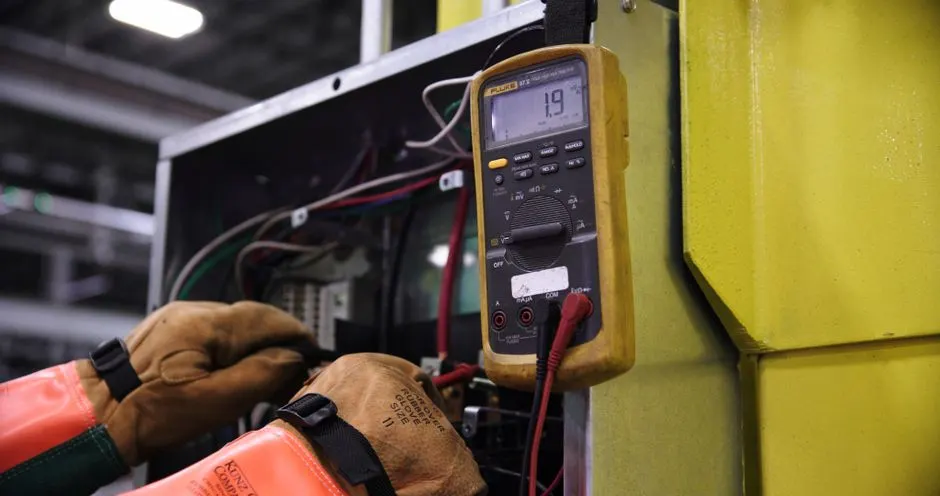
A pin or pinless moisture meter checks suspect building materials and nearby comparison areas. We record readings with locations so a transaction report shows where moisture evidence was found.

Thermo-hygrometer

This instrument measures room temperature and relative humidity during the visit. The readings help put condensation concerns and indoor conditions in context at the time of inspection.

Air sampling pump and Zefon spore trap cassette

When air sampling answers a defined question, the pump draws a measured air sample through a cassette. We document the location and conditions and interpret laboratory results alongside the inspection.

Borescope

A borescope can view some concealed cavities through an existing opening, where access and conditions allow. It helps investigate a specific concern without automatically opening finished walls.

Methods & Standards

Moisture-source assessment

We trace the concern from visible evidence toward likely sources such as plumbing, roofs, windows, or below-grade water entry. Readings are compared across suspect and reference materials, then reported with location details. This approach helps separate a dry historical stain from evidence that needs prompt repair or additional access.

Targeted air sampling

We collect air samples only when they address a stated concern, such as unexplained odor or suspected airborne conditions. Indoor locations are selected to match the question, and an outdoor comparison may help interpret the snapshot. A sample does not identify every mold source or replace moisture investigation.

Surface sampling

A sterile swab or tape-lift sample can document material from a selected visible area. We label the sampling location and explain what the laboratory analysis can establish. The method is useful for characterizing a suspect surface, while the inspection still needs to identify and report moisture conditions.

Remediation-context review

When prior cleanup is part of the sale, we review accessible work areas and the available history. ANSI/IICRC S520 provides professional remediation context, while any verification plan is based on the completed work and agreed performance criteria. Findings are reported separately from the contractor's repair claims.

When to Schedule an Inspection

01

A buyer in South Hill finds a musty basement odor during the inspection contingency period.

What we do: We review the concern and property history, inspect accessible basement surfaces, and measure suspect materials against nearby areas. If the odor source remains unclear, we discuss targeted sampling and document exactly where it was collected.

→ The buyer gets location-specific findings and a clear next step before the contingency deadline, rather than relying on an odor description alone.

02

A seller in Browne's Addition plans to list after repairing a roof leak and ceiling stain.

What we do: We check the affected room and accessible attic area, record moisture readings, and note visible conditions. If the materials are dry and no further signs appear, the report documents those observations; unresolved evidence is identified for follow-up.

→ The seller can share a factual inspection record with the agent and address any remaining moisture concern before marketing the property.

03

An agent handling a Spokane County sale needs clarity after a disclosed plumbing leak.

What we do: We focus on the repaired line, cabinet or wall materials, and nearby spaces for moisture or visible growth. Our team explains sampling options if the condition cannot be resolved through inspection and measurement alone.

→ The parties receive a concise, evidence-based account to support repair discussions and reduce uncertainty about the disclosed leak.

How Spokane Transaction Inspections Work

Mold Inspection for Real Estate Transactions Spokane WA accounts for the area's cold-season condensation, freeze-related plumbing leaks, and wet periods that can expose roof or drainage problems. We inspect the reported concern in its building context: a basement wall, attic roof deck, window, or repaired supply line can each tell a different story. Spokane's mix of older homes and remodeled properties also means access varies; a finished wall may conceal the original leak area, while an open crawl space may allow direct measurement. Our real estate transaction mold testing Spokane WA service focuses on accessible evidence and clearly identifies where access was limited. For a mold testing for a Spokane home sale or purchase, we coordinate with the agent, check the deadline, and report readings and sample locations. We serve Spokane County, including ZIP codes 99202 and 99204 as well as 99201 and 99205. Spokane, WA is the service location; neighborhood-specific building history and current site conditions guide each inspection rather than assumptions about age alone.

Neighborhoods We Serve

  • South Hill

    Older homes and finished basements can make a past plumbing leak difficult to assess by sight alone. We check reported areas and accessible materials for moisture clues.

  • Browne's Addition

    Historic building details and prior renovations can complicate access to walls and ceilings. We document visible evidence and state clearly when a concealed area could not be examined.

  • West Central

    A mix of property ages and remodel histories makes repair records useful. We compare the reported concern with present readings and accessible adjoining spaces.

  • University District

    Rental and owner-occupied properties can have different maintenance histories. We focus on disclosed leaks, odor concerns, and spaces that matter to the transaction.

Local Conditions We Plan For

  • Cold-weather condensation on windows and attic surfaces

    Warm indoor air meeting cold surfaces can leave moisture marks that resemble a leak. We check the location, surrounding materials, and humidity conditions before describing the likely source or recommending follow-up.

  • Basement seepage after prolonged wet weather

    Water entering below grade may leave damp masonry, stored-item odors, or moisture at wall-floor joints. We inspect accessible areas and identify evidence that merits drainage or building-envelope evaluation.

  • Plumbing damage after a hard freeze

    A repaired pipe can leave moisture in cabinets, wall cavities, or flooring beyond the original break. We check accessible adjacent materials and report limits where finishes prevent direct inspection.

Basement Odor Before Closing

Before

A buyer noticed a musty smell near a basement storage room but could not tell whether it came from stored belongings, damp masonry, or a hidden leak. The seller had no recent moisture record, and the contingency deadline was approaching. No visible growth appeared during the initial walk-through.

After

We inspected the accessible room, checked four suspect material locations, and found elevated moisture at one wall-floor area compared with the adjacent reference points. The report documented the location and recommended a focused water-entry evaluation. A targeted surface sample was collected from the visible suspect area and reported separately.

Maintenance: Keep stored items several inches away from basement walls and watch the documented area after wet weather. If moisture returns, address the water source before cosmetic covering or repainting.

Before

A seller had replaced a leaking sink connection, but the cabinet base remained discolored and smelled damp. The repair was complete, yet neither the seller nor buyer knew whether moisture had reached the neighboring wall or flooring.

After

We checked the cabinet, adjacent wall, and accessible floor edge with a moisture meter. Two areas read close to the dry comparison materials; one cabinet corner remained damp. The report identified that location and recommended drying and a follow-up check before closing.

Maintenance: After repairs, keep the cabinet open while materials dry and check the supply fittings for fresh drips. Recheck the affected corner after several days; continued dampness calls for source investigation.

Before

A ceiling stain in a North Hill home had been painted over after a roof repair. The seller wanted to know whether the attic showed a continuing leak or a separate condensation concern before listing.

After

We inspected the accessible attic area above the stain and checked three nearby surfaces. The readings were dry at the visit, and no visible growth was observed in the accessible section. The report recorded those conditions and noted that the inspection did not expose concealed roof cavities.

Maintenance: Check the ceiling after heavy rain and during the next cold season for renewed staining or dampness. Keep repair records with the property file and arrange follow-up if the mark changes.

Resolve Transaction Mold Questions Early

A mold inspection for a Spokane real estate transaction helps turn uncertain property clues into documented findings before a negotiation or closing decision. We focus on the source, extent, and current moisture condition where accessible. That gives you a practical route from concern to repair planning or a better-informed decision.

Problem

A musty basement odor appears during a buyer walk-through

The odor can point to damp materials or past water intrusion, leaving buyers unsure whether the issue is localized or continues behind finished surfaces.

Our Fix

We inspect accessible basement areas, check suspect materials with a moisture meter, and note visible evidence and access limits. If a sample can clarify the question, we explain the method. You receive findings that help distinguish a contained concern from one requiring additional investigation.

Problem

A repaired plumbing leak leaves a stained cabinet or wall

A repair receipt does not show whether nearby materials dried fully, and an unresolved moisture source can complicate buyer confidence or repair negotiations.

Our Fix

We examine the leak area and adjacent materials, compare moisture readings, and document any visible change or odor. For a mold inspection before listing a home in Spokane, this record helps sellers address an active issue and explain the condition of the repaired area.

Problem

Attic staining raises questions after a Spokane winter

Condensation, roof leakage, and poor drying can leave similar marks, but each calls for a different response and affects the transaction differently.

Our Fix

We inspect accessible roof sheathing and surrounding surfaces, look for moisture patterns, and consider ventilation and leak history. Our report states what we observed and whether follow-up by a roofing or remediation contractor is warranted, rather than treating every stain as confirmed mold.

Problem

A buyer receives conflicting claims about visible growth

Unclear statements can stall negotiations or lead to unnecessary work because neither party has a location-specific record of conditions.

Our Fix

We document the observed area, moisture readings, and any targeted sample results. The report distinguishes visual observations from laboratory findings and provides practical next steps, giving both parties a clearer basis for discussing repair, further access, or acceptance.

Make the Next Decision With Facts

Make the Next Decision With Facts

A Spokane transaction inspection turns uncertain odors, stains, and repair histories into documented observations. We give you useful details for negotiation and planning, not a vague pass-or-fail label. You receive a clear account of inspected areas, moisture readings, any samples collected, and practical next steps so your decision stays tied to evidence.

  • Find Moisture Early

    We check for active dampness around plumbing, windows, roofs, and below-grade spaces before a minor clue becomes a closing surprise. A Tramex or Protimeter meter helps compare readings at suspect materials with nearby areas. That evidence supports a focused follow-up rather than broad demolition or guesswork.

  • Clarify Sampling Needs

    Not every dark spot needs a laboratory sample. We explain when air sampling, a surface swab, or a tape-lift sample can answer a specific question, and when visual inspection is enough. Your report connects each sample to its location and reason, helping a buyer or seller interpret the result in context.

  • Support Contract Timelines

    A well-planned inspection keeps the transaction moving by identifying access needs and likely sampling before the visit. Most visual assessments take about 1.5 to 3 hours, depending on size and access. If lab analysis is ordered, we explain the expected turnaround and how results fit your contingency schedule.

  • Document Repair Priorities

    Your report separates observed growth, moisture evidence, and areas that could not be accessed. That distinction helps you discuss repairs with the other party without overstating what the inspection found. When remediation has already occurred, we can identify whether post-remediation verification is an appropriate next step.

Transaction-Focused Field Knowledge

Our local experience centers on practical building inspection and clear documentation for Spokane buyers, sellers, and real estate professionals. We assess visible conditions, moisture indicators, and likely sources rather than claiming that a single instrument can confirm every hidden problem. Sampling choices follow the question being investigated, and reports distinguish observations from laboratory results. Our team works with relevant professional guidance, including the ANSI/IICRC S520 Standard for Professional Mold Remediation when discussing remediation context. We explain what a finding means for the property and what further action is justified.

  • We document meter readings with locations and comparison points, making moisture findings easier to discuss during a transaction.
  • Our sampling approach distinguishes air, surface, and bulk questions instead of treating one sample type as a complete property diagnosis.
  • We recognize common clues such as plumbing leaks, musty odors, attic condensation, and basement dampness in Spokane homes.
  • We reference ANSI/IICRC S520 when explaining remediation practices and the role of post-remediation verification.
  • We coordinate access and reporting around buyer, seller, and agent needs without confusing inspection findings with a repair quote.
Get Started Today
Transaction-Focused Field Knowledge

Frequently Asked Questions

Real answers to the questions we hear most often from local homeowners and property managers.

When should mold be inspected during a real estate transaction in Spokane?
Schedule the inspection during the buyer's due-diligence or inspection contingency, ideally before that deadline expires. If a seller has disclosed a leak or visible growth, arrange access early enough to inspect and receive results before negotiations close. A visual visit commonly takes 1.5 to 3 hours; laboratory analysis adds processing time. We coordinate with you or your agent around the contract schedule and focus on the documented concern.
Who provides real estate mold assessments near me in Spokane WA?
Spokane Mold Testing provides real estate mold assessments across Spokane and Spokane County for buyers, sellers, and agents. We inspect accessible areas, check moisture indicators, and recommend targeted sampling when it answers a clear question. For a mold inspector for home sale Spokane, share the property address, transaction deadline, known leaks, and access details when you call so we can plan the visit around the areas that matter.
Can a seller arrange an independent mold inspection?
Yes, a seller can arrange an independent inspection before listing or after a concern is disclosed. We document visible conditions, moisture readings, and any agreed sampling without taking on repair work, which keeps findings separate from remediation. A mold inspection before listing a home in Spokane can help identify a leak or damp area early, leaving time to address the cause and retain the report for buyer questions.
How much does transaction-related mold testing cost?
In 2026, a focused Spokane transaction inspection commonly ranges from $250 to $650, depending on size, access, and sampling. Laboratory samples can add roughly $75 to $150 per sample, with the exact charge depending on method and lab processing. The transaction mold assessment cost Spokane WA depends most on the number of areas and tests needed. We explain pricing upfront before proceeding with an agreed inspection plan.

Related Property Services

Mold Inspection

A general mold inspection checks visible conditions and moisture sources throughout a Spokane property. For a transaction, we narrow attention to the buyer's or seller's concerns, document relevant areas, and connect findings to the contract decision or repair history.

View Mold Inspection

Mold Testing

Mold testing adds air or surface samples when inspection observations leave a specific question unanswered. We identify sample locations and explain what each result represents, helping Spokane buyers and sellers avoid treating a single test as a complete assessment of the building.

View Mold Testing

Indoor Air Quality Testing

Indoor Air Quality Testing can help investigate airborne concerns when odors, symptoms, or prior water damage raise questions beyond visible surfaces. We discuss the property history and select appropriate measurements or samples for a Spokane transaction.

View Indoor Air Quality Testing

Mold Clearance Testing

After remediation, Mold Clearance Testing assesses whether the agreed post-work conditions have been met. It can be useful before closing when repairs were completed during a transaction, with findings documented for the parties reviewing the work.

View Mold Clearance Testing

Post-Remediation Verification

Post-Remediation Verification checks the results of completed mold cleanup through visual review and, when appropriate, sampling. Spokane sellers can use it to document completed work, while buyers can review the results before accepting a repair resolution.

View Post-Remediation Verification

Moisture Inspection

A Moisture Inspection focuses on water sources and damp building materials that can support mold growth. We check suspect areas such as plumbing walls, basements, and attic surfaces, giving transaction parties useful evidence about whether a problem appears active.

View Moisture Inspection

Book Your Spokane Transaction Inspection

Get clear property findings before your contract deadline. Our team documents moisture and mold concerns, explains any sampling, and provides practical next steps. Call Spokane Mold Testing at +1 866-896-8166 to arrange your inspection; upfront pricing is explained before work proceeds.

Call our team Book Inspection

Contact Spokane Mold Testing

Tell us what happened, where you noticed the odor or staining, and whether water entered the property. Call +1 866-896-8166 to speak with Spokane Mold Testing about an inspection or testing question. Our listed business hours are Monday through Friday, 8:00 a.m. to 6:00 p.m.; if a leak is active, call promptly and describe the conditions.

Or call us right now at +18668968166 — we answer.

Spokane Mold Testing


  • Phone

    +18668968166
  • Address

    Spokane, Washington

  • Hours

    Mon–Fri: 7AM – 7PM
    Sat: 8AM – 4PM
    Sun: Emergency Only
    24/7 Emergency Available

Call +18668968166 Get Quote
Call Quote