
Garland Theater
The theater is a recognizable Garland District reference point. Naming it can help clarify which part of the district a caller means, but we use the property address to locate the inspection itself.

Mold Inspection and Testing in Garland District is a building assessment that identifies moisture conditions and evaluates suspected mold growth through inspection and, when useful, sampling. Spokane Mold Testing serves the district as part of Spokane County, where older residential buildings and historic commercial properties call for a methodical look at roofs, windows, plumbing, foundations, basements, and attics. Aging materials can conceal water intrusion behind finishes, so a clean-looking wall does not always settle the question. We inspect the affected area and the likely moisture path before recommending samples. Our mold inspector near Garland District checks visible conditions, records moisture readings, and explains what the results can and cannot establish. The goal is a useful next step: address a leak, investigate a concealed cavity, or document indoor conditions for a property decision. From the Garland Theater area toward Emerson-Garfield and Audubon-Downriver, we adapt the inspection to the building rather than applying the same sampling plan everywhere.
Garland District properties bring different inspection questions: a buyer may need a pre-purchase check, while a resident may be tracing a ceiling stain after a roof leak. If you need mold testing for a home in Garland District, Washington, we first establish the moisture history and identify the areas that warrant closer examination. We provide residential and commercial inspections, moisture checks, air and surface sampling, clearance testing, and post-remediation verification. The service is selected around your concern, not added automatically.


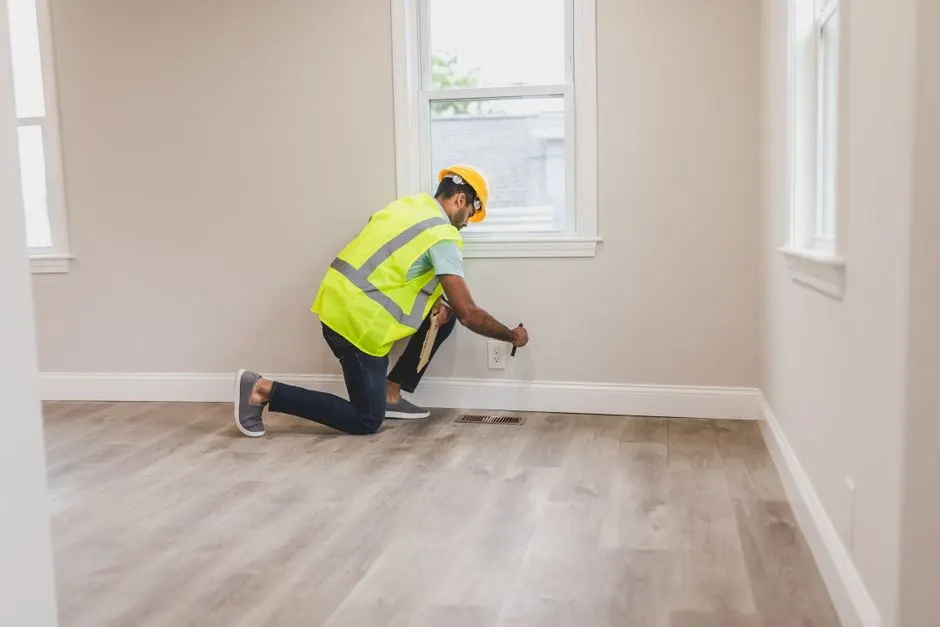

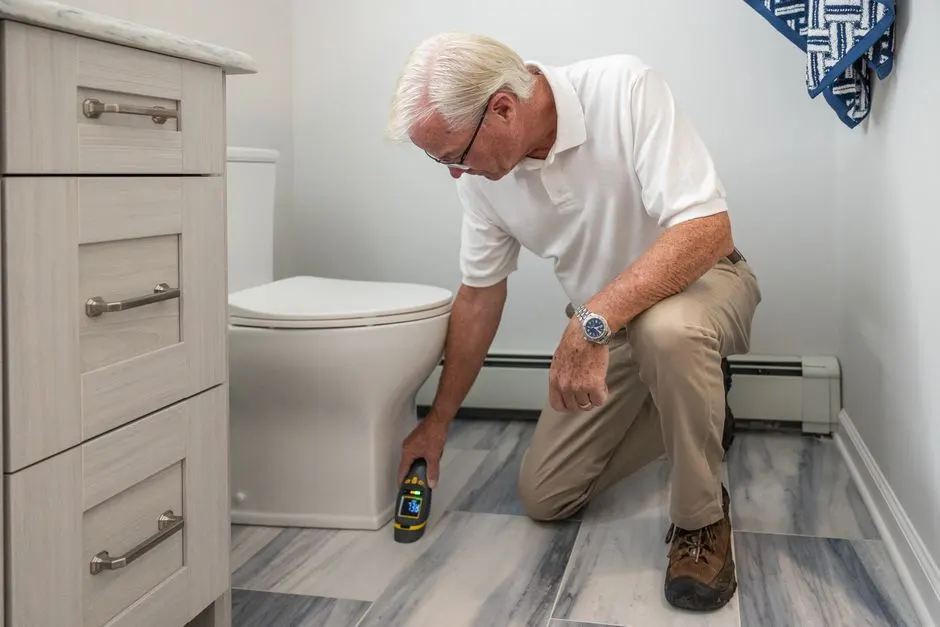
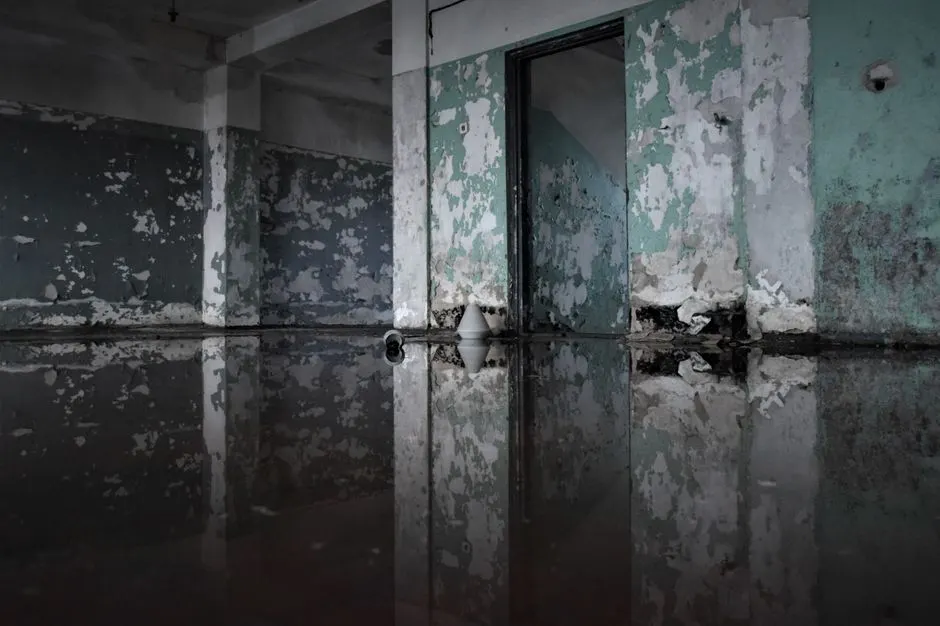

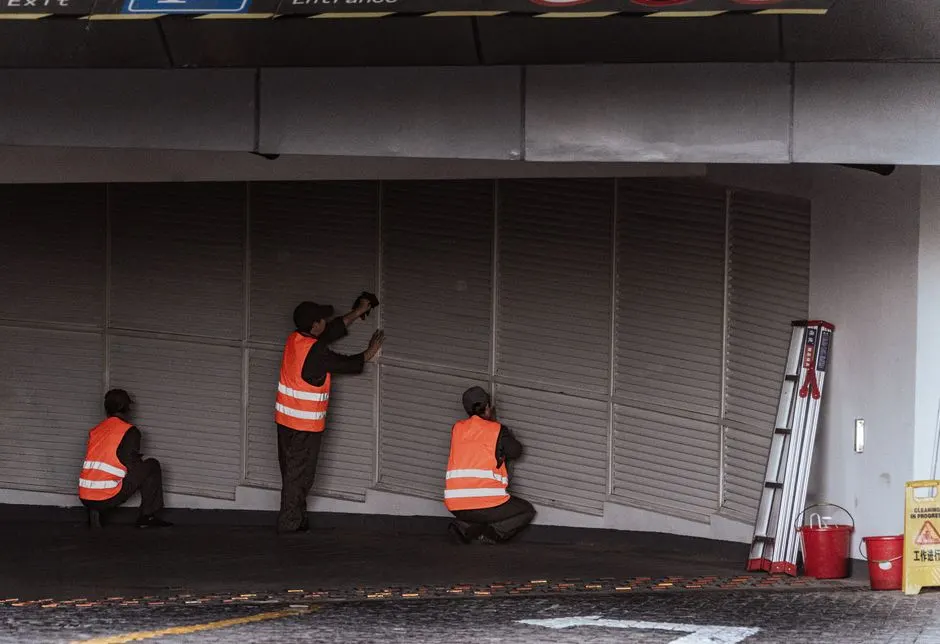


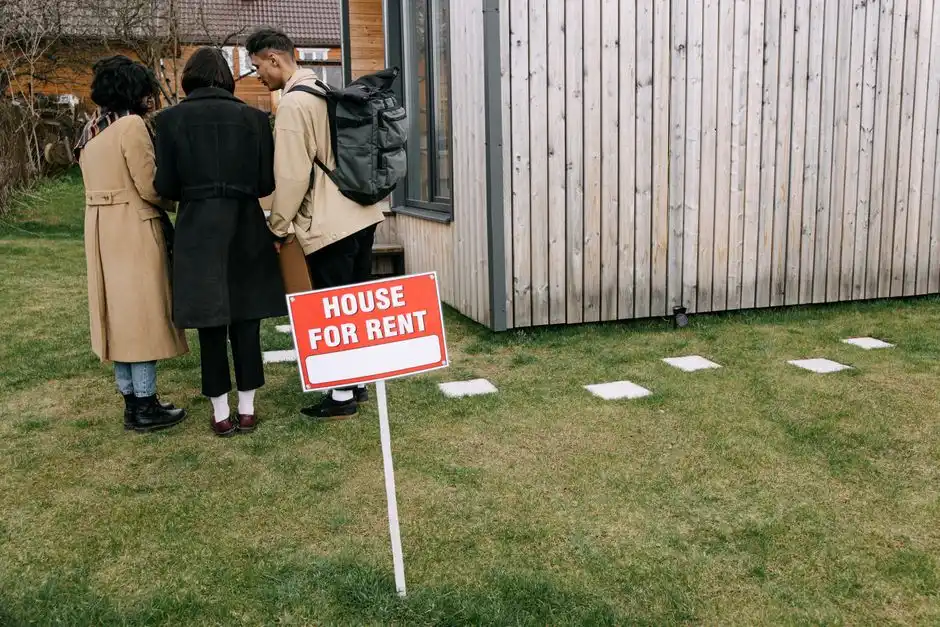
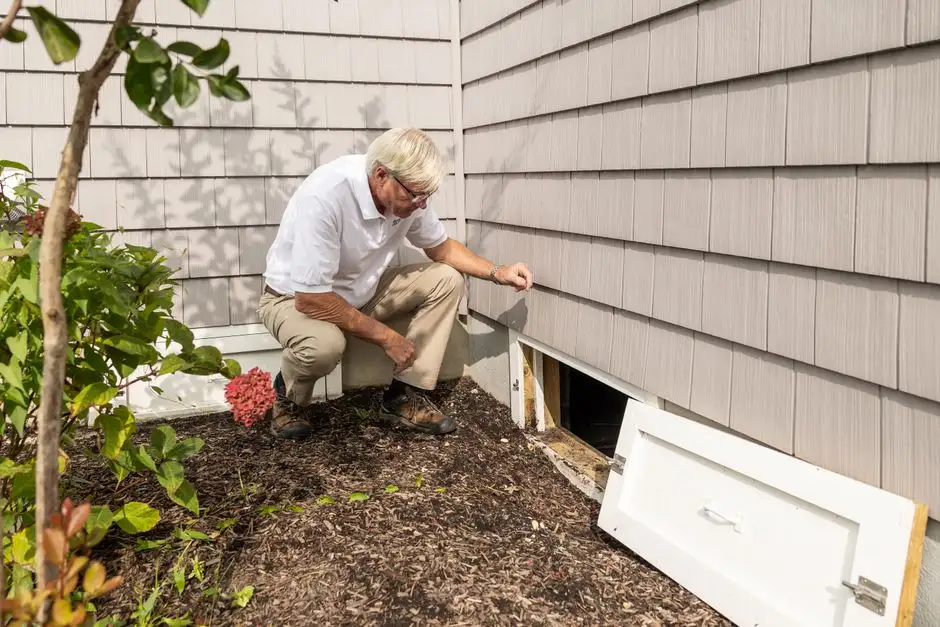

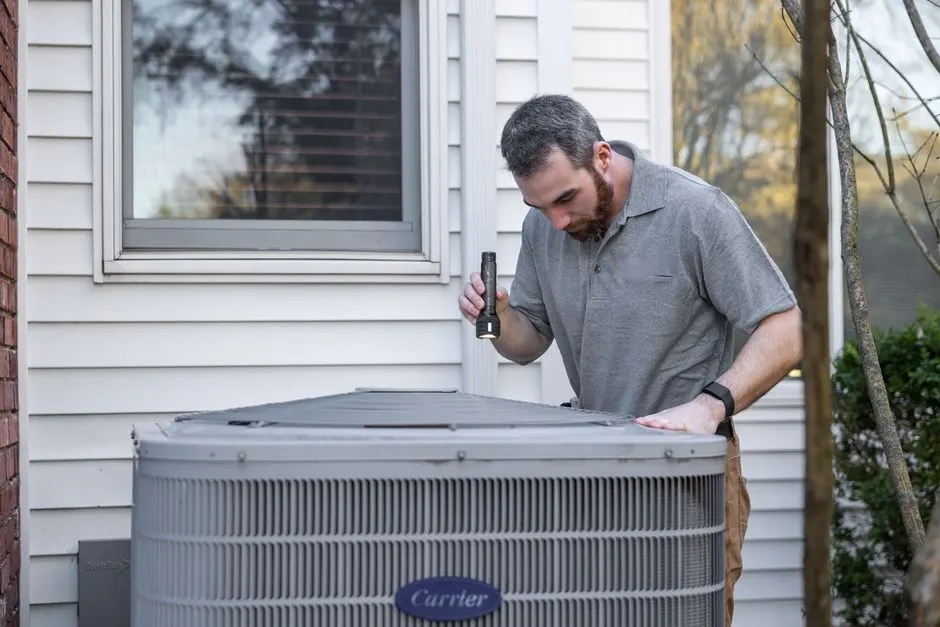

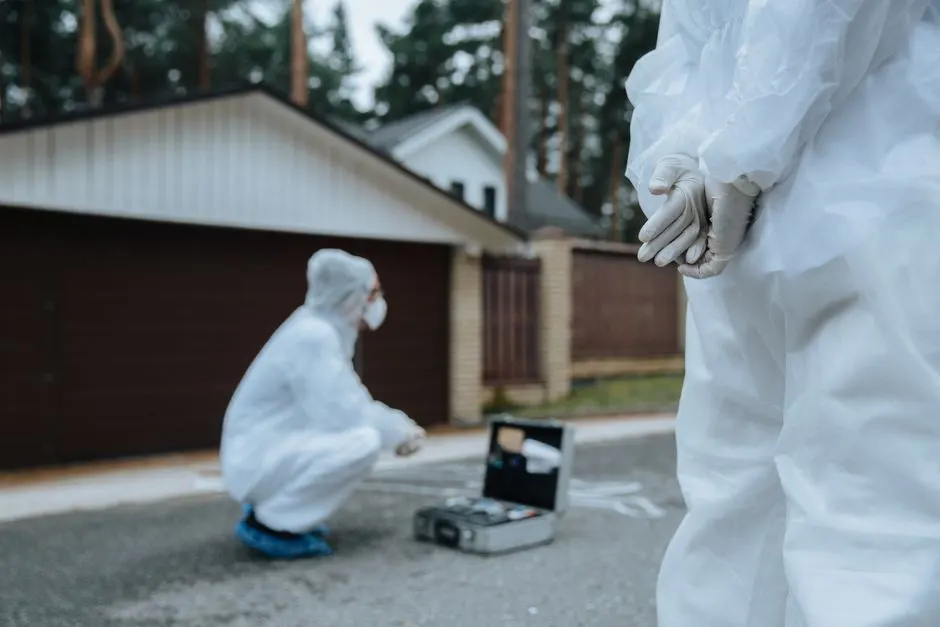


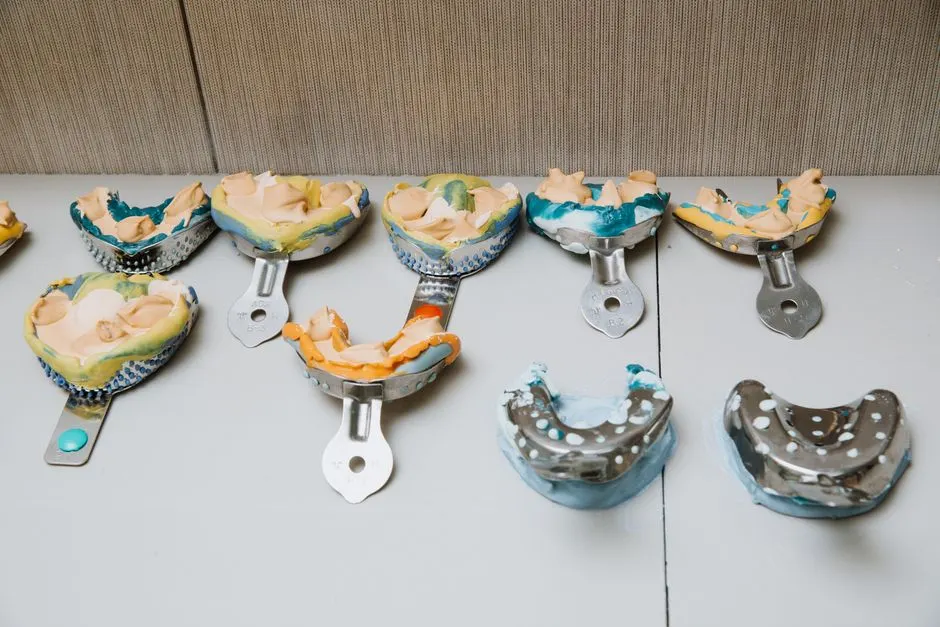
Garland District mold inspection and testing often starts with conditions in older homes and historic commercial properties: aging roofs, window seals, plumbing, and foundations can all allow water intrusion. Spokane's cold winters and freeze-thaw cycles put exterior walls and roof assemblies through seasonal stress, while limited ventilation in an attic or basement can complicate drying. These conditions do not prove mold is present. They explain why we inspect the moisture history, building materials, and affected rooms before deciding whether sampling is appropriate.
A small leak can wet drywall, trim, or framing without producing a large puddle. In an older property, previous repairs may cover the original water path, leaving an odor or discoloration as the first visible clue.
Warm indoor air and cold roof surfaces can create condensation when moisture and ventilation conditions align. Limited attic ventilation can allow staining or dampness to persist, and those signs can be confused with a roof leak.
Water can enter through foundation areas or collect on cool surfaces, while stored materials and restricted air movement slow drying. A recurring earthy odor may persist after surface cleanup if moisture conditions remain.
Older window assemblies and exterior finishes can develop weak points over time. Freeze-thaw cycles may stress exposed assemblies, and water can travel beyond the original entry point before appearing indoors as a stain or peeling finish.
Call for an inspection when a musty odor persists, a stain returns after drying, or a leak has affected walls, flooring, or ceiling materials. In Garland District, aging roofs, windows, plumbing, and foundations can complicate the source because moisture may travel before it becomes visible. If you need affordable mold inspection and testing in Garland District WA, start by describing the affected rooms and when the problem began. We can then focus the visit on the likely moisture path and decide whether sampling will add useful information.
A musty odor returns after cleaning
A recurring odor can come from damp materials or a concealed moisture source, even if the room looks clean. Check whether it is stronger near a basement wall, cabinet, or register. If it continues after ordinary cleaning, an inspection can help identify where to look before you disturb materials.
A ceiling stain grows after rain
A stain that enlarges or darkens after precipitation points to a possible water-entry path, though inspection is needed to determine the source. In older Garland District buildings, roof assemblies and window areas deserve attention. Arrange a moisture assessment promptly if the material remains damp or begins to soften.
Paint bubbles near a plumbing wall
Bubbling paint or lifting trim may indicate moisture behind the finish, including a slow plumbing leak. A dry surface does not rule out retained moisture inside a wall. An inspection can check accessible materials and establish whether a targeted investigation is warranted.
Basement materials feel damp in winter
Dampness in a basement can reflect water entry, condensation, or limited air movement. The cause matters because each requires a different correction. Record when the dampness occurs and whether it follows weather or plumbing use, then have the affected area checked before storing items against it.
Odor or dust appears near HVAC registers
An odor near a register does not prove contamination inside ductwork, but it is a reason to check nearby surfaces and moisture conditions. If the smell follows heating operation or is isolated to one room, share that pattern during the inspection so the investigation can be targeted.
The Garland Theater is a familiar orientation point for the district, while Corbin Park helps distinguish nearby residential blocks during route planning. The North Monroe business district is another useful reference when arranging access to commercial properties. We confirm the exact address rather than relying on a landmark alone, which matters when parking, rear entrances, or shared access are involved. NorthTown Mall is a broader Spokane-area reference, not a marker for a specific inspection location.
The theater is a recognizable Garland District reference point. Naming it can help clarify which part of the district a caller means, but we use the property address to locate the inspection itself.
Corbin Park is a useful nearby orientation point when discussing residential streets around the district. The address and access instructions remain the basis for planning an appointment.
NorthTown Mall is a familiar Spokane-area landmark that can help orient callers approaching the broader service region. It is not a substitute for the property's street address.
Plus surrounding Spokane County neighborhoods, with same-day routing on most appointments.
Averaging 5.0 / 5 across verified reviews.
“We had a musty smell in the basement after a small plumbing leak, and the inspection stayed focused on that area. The technician checked the wall and nearby materials, explained the readings, and told us what the findings did and did not mean. We left with a clear next step instead of a vague recommendation to test everything.”
Mara L.
Garland District
“I was buying an older home and wanted the attic stain looked at before moving ahead. The inspection covered the accessible attic and the ceiling below, with the moisture observations explained in plain terms. The report made it easier to discuss the roof question with the seller and decide what needed follow-up.”
Derek P.
North Hill
“Our small business had discoloration near an older window and a lingering odor. The inspector documented the area, checked the nearby wall, and explained why a surface sample was or was not useful. We appreciated having findings tied to the actual location rather than a one-size-fits-all answer.”
Elena R.
Emerson-Garfield
As November brings colder weather, Garland District homeowners should watch for condensation on cold surfaces, roof or wall staining, and damp basement areas. Winter conditions can make attic and exterior-wall concerns easier to notice, while spring brings thaw and renewed attention to water entry. Summer is a good time to inspect lingering damage and ventilation, and fall is the point to address roof or window concerns before colder weather returns. For airborne mold spore testing in Garland District WA, we first inspect the building conditions and decide whether an air sample fits the question.
Thaw and spring precipitation can reveal water entry at foundations, roofs, and window areas. A stain that appeared during winter may become clearer as materials dry, while basement dampness can persist. Inspect the same locations after weather changes instead of assuming the issue has resolved.
Tip: Check ceilings, basement corners, and window surrounds after heavy moisture events. If a mark returns or material stays damp, arrange an inspection before repainting or covering the area.
Warmer weather gives homeowners a chance to review attic and basement conditions and address visible repairs. A dry surface in summer does not establish that an earlier leak caused no concealed damage, so note any recurring odor or stain history.
Tip: Use the season to clear access to attic hatches and basement walls. Share past leak locations with the inspector so the visit can focus on materials that were previously affected.
Before colder weather, roof and window concerns deserve attention because small water-entry points can be harder to trace after repeated cold conditions. Attics with limited ventilation may also show stains or odor as indoor heating resumes.
Tip: Look for changes around upper ceilings and window trim, and address known leaks before winter. Do not seal a damp area behind new finishes without checking the moisture condition.
Cold winters can expose condensation on cold surfaces and dampness in limited-ventilation attics or basements. Freeze-thaw cycles can affect exterior walls and roof assemblies. If indoor air feels humid or a musty odor becomes stronger, record the room and timing.
Tip: Keep furnishings slightly clear of damp-prone exterior walls and note condensation patterns. If a leak occurs, stop the water source safely and arrange an assessment once the immediate issue is controlled.
Garland District is part of our wider Spokane service region. We also serve Downtown Spokane, Northwest Spokane, South Hill, North Hill, West Central, and East Central, coordinating each visit around the property's location and inspection needs. If you own or manage more than one building, tell us which addresses are involved; we can establish a consistent inspection approach while documenting each property separately. Service coverage includes Spokane ZIP codes 99201, 99203, 99202, and 99205.
(City)
Downtown Spokane is south of Garland District within the same Spokane service region, with separate page coverage for its properties and buildings.
View Downtown Spokane(City)
Northwest Spokane is another nearby service area; its inspection scheduling connects with Garland District coverage across Spokane.
View Northwest Spokane(City)
South Hill lies across central Spokane from Garland District and is included in the same regional service coverage.
View South Hill(City)
North Hill borders the broader Garland service area, making it a nearby neighborhood for related residential inspections.
View North Hill(City)
West Central is a nearby Spokane service area, with property visits coordinated separately by address and access needs.
View West Central(City)
East Central is part of our wider Spokane coverage, beyond Garland District but within the same regional service area.
View East CentralReal answers from our team for the questions we hear most often before a job starts.
If a stain keeps returning, a basement smells musty, or a leak has affected your home or business, call Spokane Mold Testing to arrange a focused inspection. We serve Garland District and nearby Spokane neighborhoods, documenting moisture conditions and recommending sampling only when it answers a useful question. Call +18668968166 to discuss the property and schedule the next step. Our inspection findings are explained plainly, with no guesswork about what a sample can prove.
Tell us what happened, where you noticed the odor or staining, and whether water entered the property. Call +1 866-896-8166 to speak with Spokane Mold Testing about an inspection or testing question. Our listed business hours are Monday through Friday, 8:00 a.m. to 6:00 p.m.; if a leak is active, call promptly and describe the conditions.
Phone
+18668968166Address
Spokane, Washington
Hours
Mon–Fri: 7AM – 7PM
Sat: 8AM – 4PM
Sun: Emergency Only
24/7 Emergency Available