
Cannon Hill Park
Cannon Hill Park is a recognizable Cliff-Cannon orientation point. It helps distinguish nearby residential streets when confirming an address and route, but it is not used to infer moisture conditions at any property.

Mold Inspection and Testing in Cliff-Cannon is a property assessment that identifies moisture conditions, visible growth, and whether targeted sampling can clarify an indoor air concern. It is useful after a leak, during a purchase, or when an odor persists without an obvious source. In Cliff-Cannon, older basements and renovated interiors can conceal damp materials behind finished walls or floors, so we investigate the building rather than relying on a quick visual check.
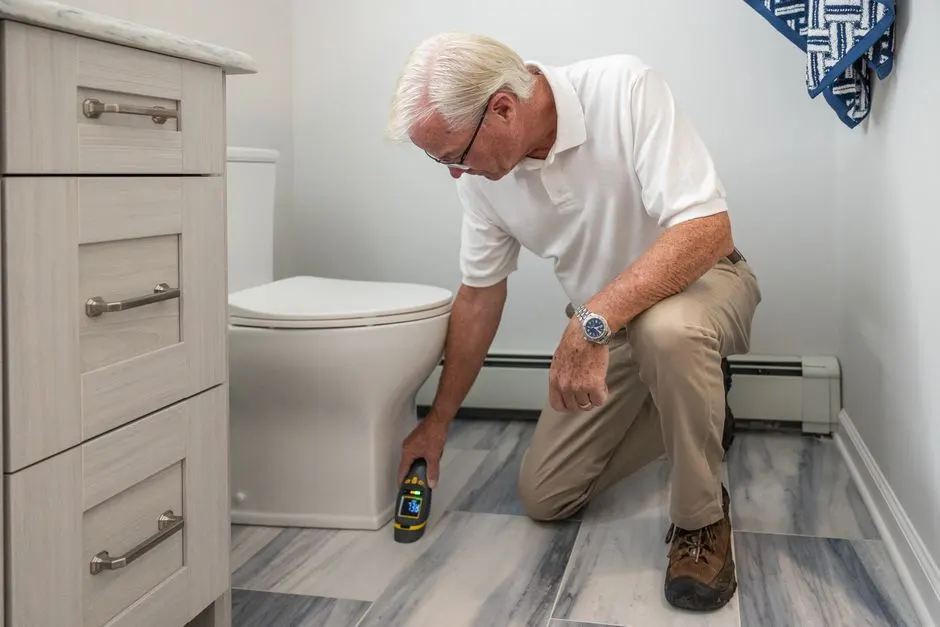
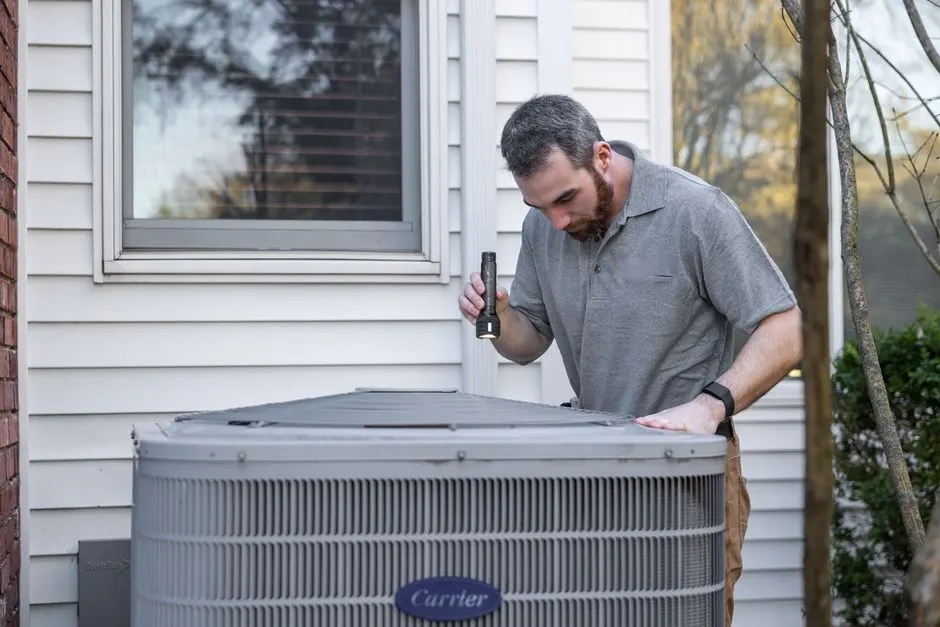
We serve Cliff-Cannon, South Hill, Browne's Addition, and East Central, with appointments across Spokane County. A mold inspector near Cliff-Cannon starts by asking what changed, where water entered, and when the odor or staining appears. We then inspect accessible areas, compare moisture readings, and explain whether sampling is appropriate. Our process uses a pin and pinless moisture meter and, where useful, a FLIR infrared thermal camera to identify temperature patterns that warrant closer inspection.
You receive findings tied to the locations examined, the conditions observed, and any samples collected. We explain what the results can establish and what they cannot. If you are buying a home near Cliff Park or tracking a plumbing leak in a 99203 residence, you get a practical next step rather than a vague label.
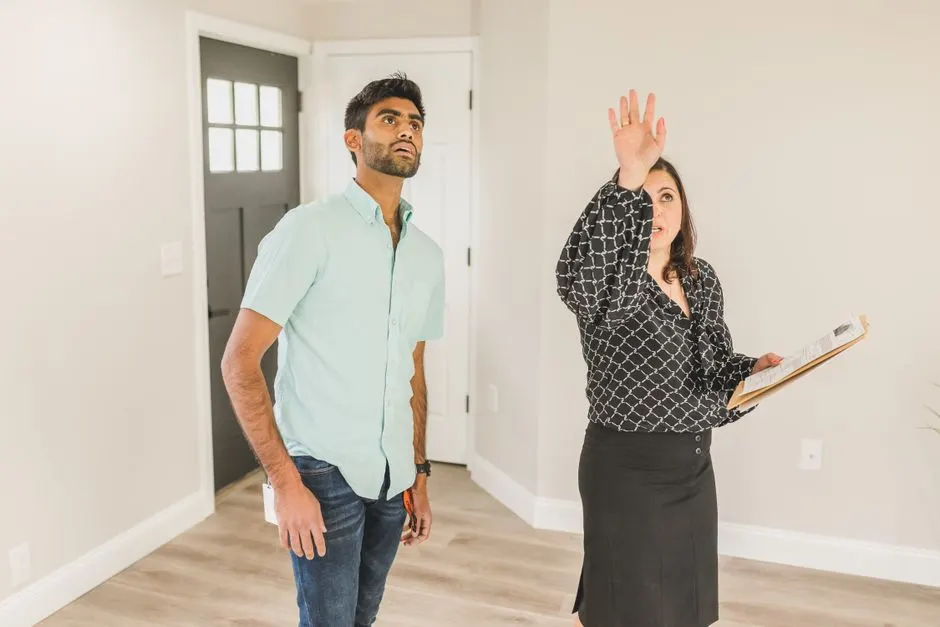
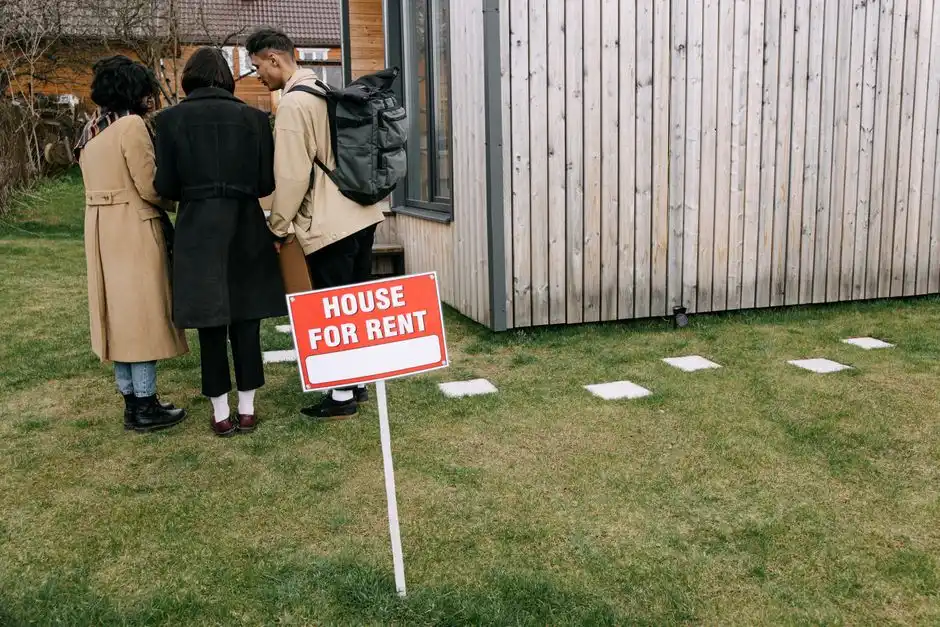
Cliff-Cannon properties need different inspection plans depending on age, access, and the water history. A basement in a historic residence calls for a different walkthrough than a renovated condo or a commercial suite with an HVAC concern. If you need mold testing for a home in Cliff-Cannon, Washington, we begin with the reason for the visit, inspect accessible spaces, and then choose air or surface sampling only when it helps answer that concern. We serve residential, rental, transaction, and commercial needs throughout the neighborhood.
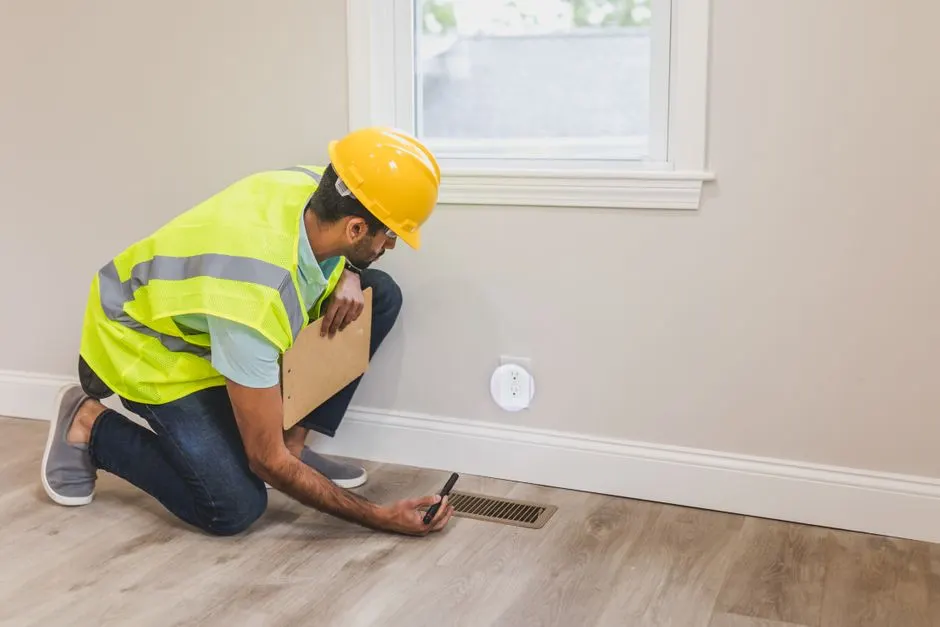

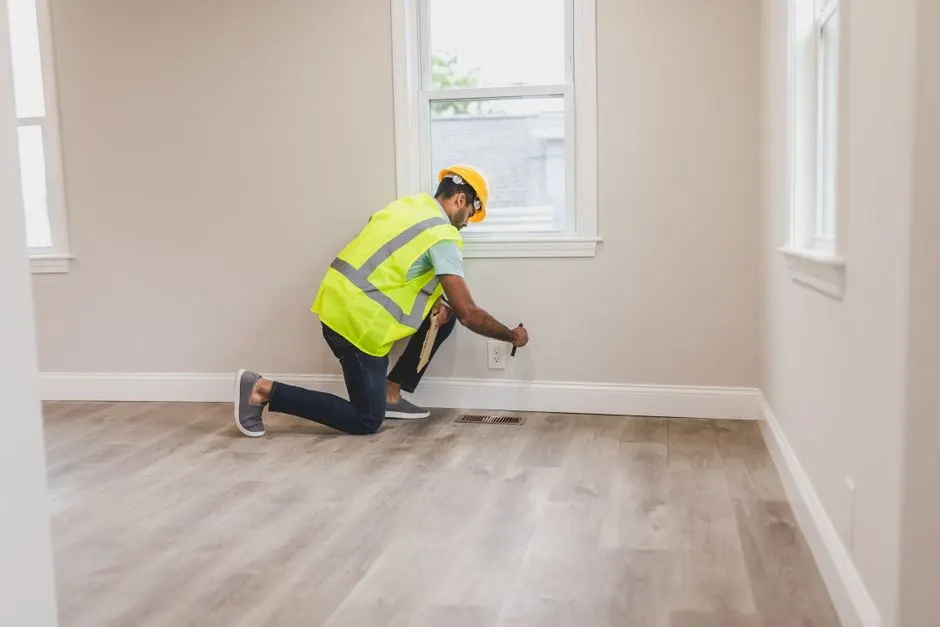
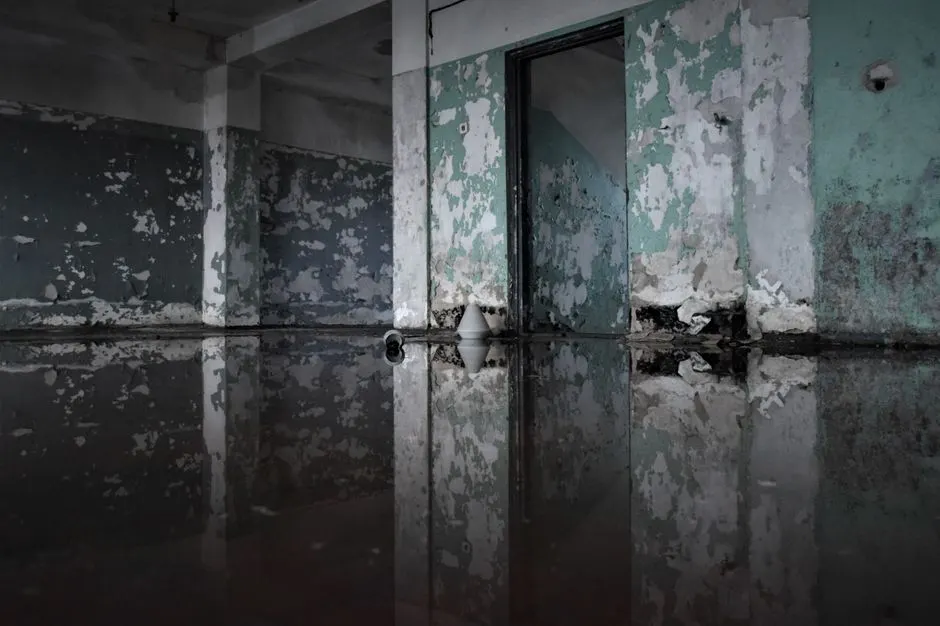



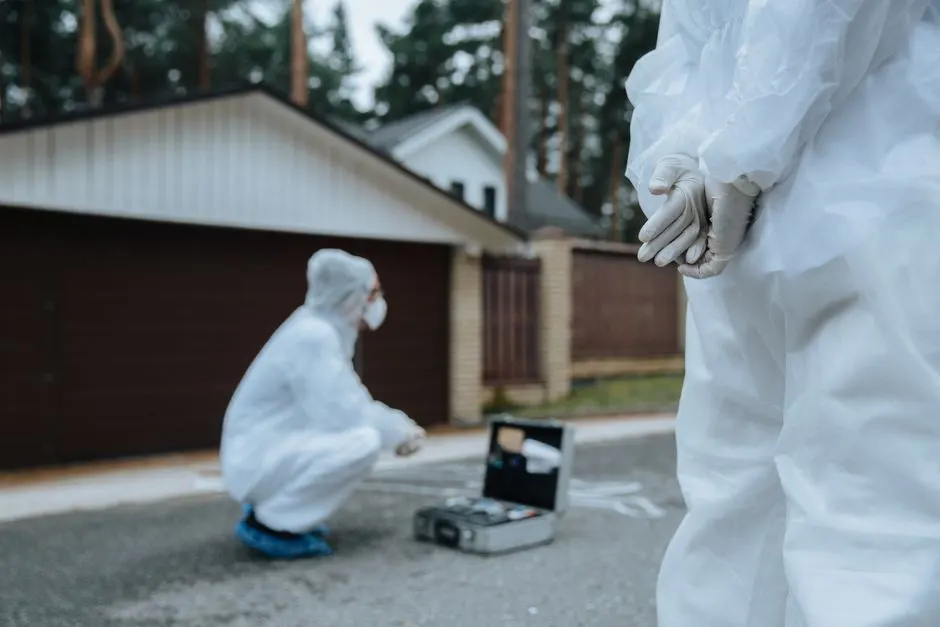


Cliff-Cannon's historic residences, older multifamily buildings, and updated interiors create varied moisture conditions. Hillside terrain can contribute to localized drainage and foundation concerns, while cold winters increase the chance of roof leaks, ice-related water entry, and condensation on cold surfaces. Older basements may retain dampness, and renovations can cover earlier damage. Our mold inspection and testing Cliff-Cannon WA approach starts with the building's specific water history, not a presumed neighborhood-wide cause.
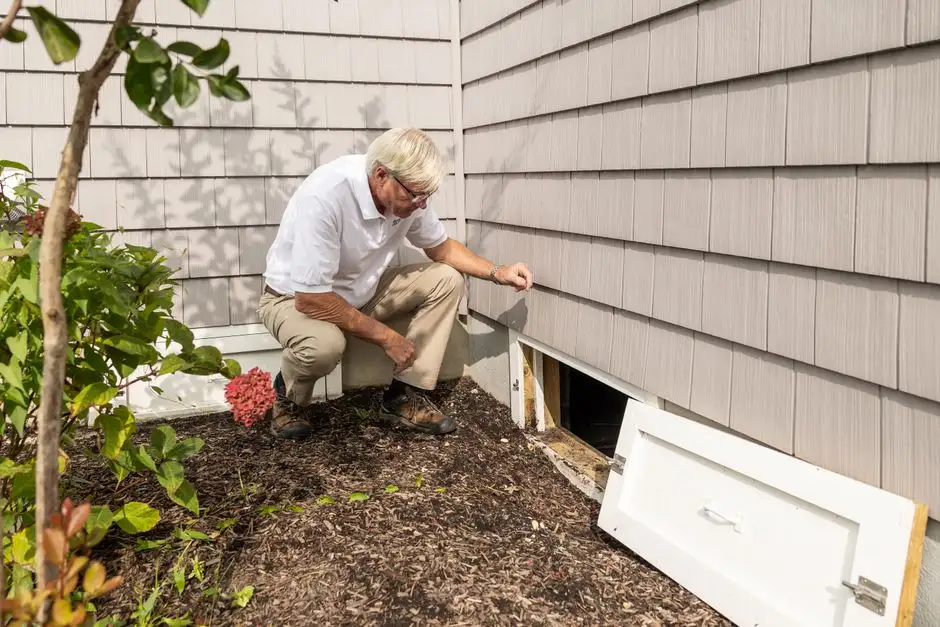
Hillside terrain can direct water toward one portion of a foundation, depending on grading and drainage at that property. A basement wall may therefore show a confined damp area rather than uniform moisture. Rainfall timing and exterior drainage observations help put the interior condition in context.
Older interiors may have been updated over earlier repairs or water events. New flooring, wall panels, or trim can conceal damp materials, while odors escape at edges and penetrations. The visible finish alone does not show what is behind it, so investigation needs to weigh history and moisture clues.
Cold winter conditions can contribute to roof leaks, ice-related water entry, and condensation when warm indoor air reaches cold attic surfaces. Staining may remain after drying, and ventilation or insulation conditions vary by building. A visual mark alone cannot establish active moisture or mold type.
A supply or drain leak can wet cabinet bases, shared walls, or flooring before the damage becomes obvious in an adjoining room. In an older multifamily building, access and repairs may involve more than one unit. The leak source must be controlled before an inspection can accurately describe remaining moisture.
Call when a musty odor keeps returning, a leak leaves staining, or a room feels damp after the visible water is gone. Cliff-Cannon's established housing and renovated interiors can make a moisture source hard to see, especially behind finished surfaces or in older basements. If you need airborne mold spore testing in Cliff-Cannon WA, we first inspect the space and decide whether air sampling will answer your concern. A targeted assessment helps separate current moisture from old marks and identifies the next practical step.
Musty odor returns after airing out
A recurring odor can indicate damp material, concealed growth, or a drainage or ventilation issue. Note which room, weather conditions, and time of day make it stronger. If the smell persists after cleaning and normal ventilation, an inspection can trace nearby moisture before finishes are disturbed.
Fresh staining appears below a roofline
New stains or bubbling paint after winter weather can point to roof leaks or ice-related water entry. The ceiling surface may dry while insulation or framing remains wet. Arrange an inspection promptly after the leak is controlled, particularly if the stain grows or returns.
Basement wall stays damp in one section
A damp patch on a foundation wall can reflect localized water intrusion, condensation, or an indoor plumbing source. Compare the location with odor, efflorescence, or nearby stored items showing moisture. Persistent dampness deserves attention because it can support material damage and hidden mold growth.
Condensation forms repeatedly on cold surfaces
Repeated window or exterior-wall condensation signals that indoor humidity and surface temperature are interacting. A hygrometer reading and inspection of nearby materials help establish the conditions. If water collects on trim or returns after wiping, check ventilation and surrounding finishes before staining develops.
Odor or symptoms worsen near an HVAC vent
A localized odor when heating or cooling starts can involve a nearby damp surface, condensate issue, or material in an accessible HVAC area. It does not prove duct contamination. An inspection can compare the affected room with other areas and identify whether targeted sampling is warranted.
Our team uses familiar Cliff-Cannon landmarks as navigation references when arranging a property visit, not as claims about the condition of nearby buildings. Cannon Hill Park and Cliff Park help orient routes through the neighborhood, while Lewis and Clark High School and Sacred Heart Medical Center are recognizable reference points for nearby streets. We confirm the service address and the best entry point with you because parking, gates, and multifamily access vary by property. This keeps arrival planning practical without assuming a particular building layout.
Cannon Hill Park is a recognizable Cliff-Cannon orientation point. It helps distinguish nearby residential streets when confirming an address and route, but it is not used to infer moisture conditions at any property.
Lewis and Clark High School provides a familiar navigation reference in the area. We use confirmed street addresses and customer-provided entry details for the final approach rather than treating the landmark as a service location.
Sacred Heart Medical Center is a major local reference point for locating nearby parts of Cliff-Cannon. It supports route orientation only; inspection findings always come from conditions observed at the customer property.
Cliff Park offers another recognizable geographic reference for Cliff-Cannon. When arranging access, we still verify the exact property address, parking instructions, and entry contact so the visit is directed to the correct building.
Plus surrounding Spokane County neighborhoods, with same-day routing on most appointments.
Averaging 4.9 / 5 across verified reviews.
“We had a musty smell in the basement of our Cliff-Cannon home and could not tell whether it followed a small leak. The inspector checked the wall and floor instead of just taking one air sample, explained the moisture readings, and showed us what needed attention first. The report was easy to follow and focused on the rooms we were worried about.”
Megan R.
Cliff-Cannon
“Before buying a home near Cannon Hill Park, I wanted someone to look at old staining and a renovated room. The inspection covered the accessible areas, explained where the finished wall limited visibility, and made the sampling choice clear. I appreciated getting specific findings rather than a broad claim about the whole house.”
Daniel P.
Cannon Hill area
“Our rental unit had an odor after a plumbing repair, and we needed a clear record for the property file. The team coordinated access with the tenant, checked the affected surfaces, and explained what the results could tell us. The notes helped us organize the next repair step without confusing old water marks with current moisture.”
Alicia T.
Browne's Addition
As November brings colder conditions, Cliff-Cannon homeowners should watch for roof leaks, ice-related water entry, and condensation on cold windows or walls. Winter conditions can expose weak roof details and raise indoor humidity concerns. In spring, drainage and snowmelt can reveal localized foundation dampness; summer is useful for checking repairs and attic conditions; fall is the time to clear drainage paths and look for roof wear. If you need mold inspection after a water leak in Cliff-Cannon, address the source first and arrange a moisture assessment promptly.
Spring precipitation and runoff can reveal damp foundation areas, especially where hillside drainage concentrates water. Check basement corners and storage areas for new odor, staining, or damp cardboard. A wall that dries and rewets deserves inspection rather than repeated surface cleaning.
Tip: After water entry is controlled, note the date and affected rooms, move belongings away from damp surfaces, and arrange moisture checks. Do not cover a wet wall with fresh paint or new flooring.
Warmer, drier periods offer a useful window to inspect earlier basement or attic concerns and confirm whether repairs changed moisture conditions. Poor ventilation or a prior plumbing leak can still leave damp materials in closed rooms, even when outdoor conditions feel dry.
Tip: Check attic access and basement areas before renovation work begins. If an odor remains, share the leak and repair history so the inspection can target the relevant materials.
Fall is a practical time to look for roof wear, blocked drainage, and windows that begin collecting condensation as temperatures drop. In older Cliff-Cannon homes, small gaps or previous repairs can become more noticeable after the first sustained cold periods.
Tip: Clear leaves from accessible drainage points and inspect ceilings after storms. Record any fresh staining and arrange an assessment before seasonal roof access or repair conditions become difficult.
Winter brings the risk of cold-weather roof leaks, ice-related water entry, and condensation on cold surfaces. Water can travel from an attic or exterior wall before appearing indoors. A stain may be the first visible sign, while insulation or framing remains damp.
Tip: Control active water entry with a qualified repair provider, protect belongings, and avoid disturbing suspected growth. Once safe access is available, we can document moisture and assess whether sampling is useful.
Cliff-Cannon is part of our wider Spokane service area, and we coordinate appointments across nearby neighborhoods rather than treating each location as a separate market. If a property manager oversees buildings in more than one area, we can discuss the locations and concerns together. Our regional work remains grounded in the conditions at each address, including building age, leak history, access, and the rooms where you notice a problem.
(City)
Downtown Spokane lies just north of Cliff-Cannon, and appointments in both areas can be coordinated around building access and occupancy.
View Downtown Spokane(City)
Northwest Spokane is another service area within the Spokane route network; travel and timing depend on the confirmed property address.
View Northwest Spokane(City)
South Hill adjoins the broader Cliff-Cannon service area, making it practical to coordinate property inspections across both neighborhoods.
View South Hill(City)
North Hill is served as part of our Spokane coverage, with each inspection scheduled according to the property's access and reported concern.
View North Hill(City)
West Central is included in the regional service area west of central Spokane; we confirm the address before planning a visit.
View West Central(City)
East Central is a nearby Spokane service area where property managers and owners can coordinate assessments with Cliff-Cannon locations.
View East CentralReal answers from our team for the questions we hear most often before a job starts.
If a leak, odor, or suspicious stain is disrupting your Cliff-Cannon home or property, call Spokane Mold Testing at +18668968166. We will discuss the affected area, plan the inspection, and explain whether sampling fits the question. Phone support is available 24/7, and same-day appointments are offered when the route has an opening. Get a clear assessment for your Spokane County property.
Tell us what happened, where you noticed the odor or staining, and whether water entered the property. Call +1 866-896-8166 to speak with Spokane Mold Testing about an inspection or testing question. Our listed business hours are Monday through Friday, 8:00 a.m. to 6:00 p.m.; if a leak is active, call promptly and describe the conditions.
Phone
+18668968166Address
Spokane, Washington
Hours
Mon–Fri: 7AM – 7PM
Sat: 8AM – 4PM
Sun: Emergency Only
24/7 Emergency Available