
Logo
Get Estimate

Mold Inspection and Testing in Browne's Addition

Mold Inspection and Testing in Browne's Addition helps you locate moisture, understand visible or hidden growth, and choose a practical next step. We inspect historic homes and converted apartment buildings near the Northwest Museum of Arts and Culture, where older plumbing and varied renovations call for careful checks. Our Browne's Addition mold inspection and testing combines moisture readings with targeted sampling when the evidence supports it, so you get findings tied to your property rather than a guess.

Call for Testing Request Inspection
Service availability Service ZIPs Local response
Licensed Licensed & Bonded
Fully Insured Insured & Bonded
24/7 Emergency Same-Day Response
Warranty Backed Workmanship Guaranteed in Browne's Addition
Browne's Addition

Mold Inspection and Testing for Browne's Addition


Mold Inspection and Testing in Browne's Addition is an indoor environmental assessment that locates moisture and evaluates suspected mold growth when a building has visible staining, a musty odor, or a history of water intrusion. We work across Browne's Addition and nearby West Downtown, Peaceful Valley, and Cliff-Cannon, handling houses, converted apartments, and small commercial spaces. Older plumbing, layered renovations, and below-grade rooms make a room-by-room inspection more useful than a quick look at one discolored patch. Our mold inspection and testing Browne's Addition WA service starts with your concerns, then checks likely sources and adjacent areas before we recommend sampling. We use moisture readings, visual inspection, and, where warranted, air or surface samples sent for analysis. You receive a straightforward account of what was examined, where samples came from, and what the results mean for the next decision. We serve properties in Spokane County, including ZIP codes 99201 and 99204, and coordinate access with owners, residents, and property managers. The aim is a useful finding you can act on, whether you are addressing a leak, reviewing a purchase, or documenting a rental concern.

  • Locally licensed and insured in Browne's Addition
  • Same-day diagnostics and written estimates
  • Real workmanship warranty in writing
  • Background-checked, in-house technicians

Browne's Addition Mold Inspection Services

In Browne's Addition, calls often follow a leak, a musty odor, a visible patch, or a concern raised before a sale or rental turnover. Our process changes with the building: converted apartments need attention to shared walls and concealed cavities, while detached homes may need basement, crawl space, attic, or HVAC checks. If you need mold testing for a home in Browne's Addition, Washington, we first identify the question the sample should answer, then select the right sampling location. We explain findings in plain language and connect them to moisture conditions rather than treating a lab result alone as a diagnosis.

Mold Inspection

Mold Inspection

We inspect Browne's Addition homes and converted apartments for visible growth, moisture, and conditions that could support concealed mold. In a basement or renovated room, we check surfaces and nearby materials instead of stopping at the first stain. You get documented observations and a clear account of whether targeted testing would answer an unresolved question.

View Details
Mold Testing

Mold Testing

When a Browne's Addition property needs sampling, we choose air or surface methods based on the suspected source and the question being investigated. A Spore trap cassette collects airborne particles for laboratory analysis; a surface sample can characterize a specific area. We label sample locations and explain results alongside inspection findings, not in isolation.

View Details
Indoor Air Quality Testing

Indoor Air Quality Testing

Musty odors or occupant concerns in an older apartment can call for a focused indoor air assessment. We review room use, ventilation, moisture clues, and sampling conditions before collecting air samples. The assessment helps distinguish a localized concern from a broader indoor pattern and gives you findings tied to the rooms inspected in Browne's Addition.

View Details
Mold Clearance Testing

Mold Clearance Testing

After remediation in Browne's Addition, clearance testing checks whether the work area is ready for normal use under the agreed criteria. We inspect the remediated area, review visible condition and moisture, and collect samples when appropriate. Your report records the inspected locations and results so owners and contractors have a defined verification step.

View Details
Post-Remediation Verification

Post-Remediation Verification

We verify completed mold work in houses and converted apartment buildings by checking the affected zone, adjacent materials, and moisture status. In older properties, renovation cavities can make the original boundary less obvious, so we compare the work area with the reported source and documented repair. You receive a concise record of observations and any sampling performed.

View Details
Moisture Inspection

Moisture Inspection

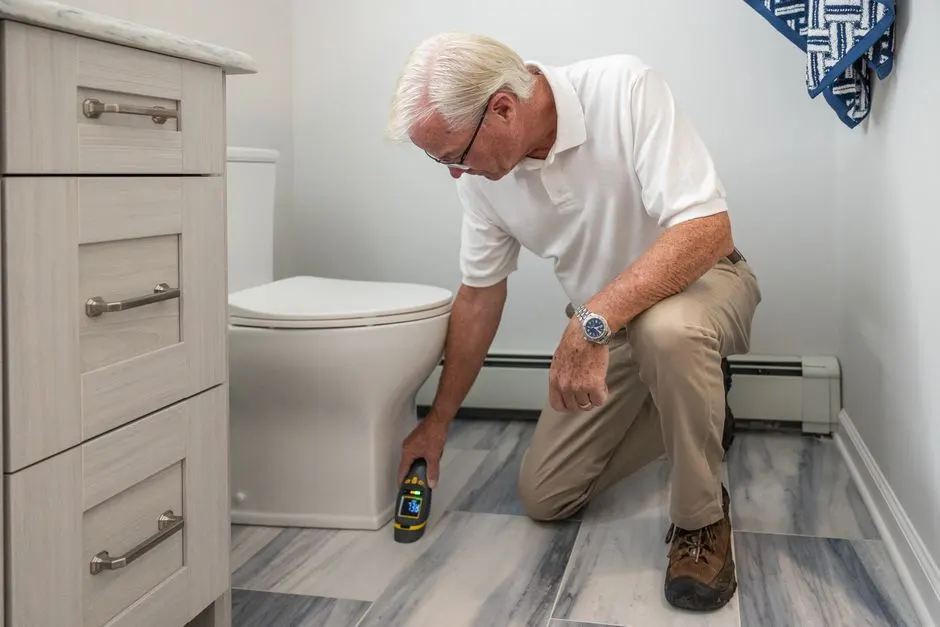
Moisture inspection is useful when a Browne's Addition wall, floor, or ceiling feels damp or shows recurring staining. We use a pin and pinless moisture meter to compare suspect materials with nearby areas and track readings around likely entry points. That gives you a clearer target for repair than painting over a mark or relying on touch alone.

View Details
Water Damage and Mold Assessment

Water Damage and Mold Assessment

After a plumbing leak, roof entry, or water intrusion event, we inspect the affected rooms and adjacent materials for retained moisture and mold risk. Browne's Addition's older building envelopes and finished spaces can conceal water travel behind trim or inside a wall. We document the visible damage, moisture readings, and sampling recommendations where evidence calls for them.

View Details
Residential Mold Inspection

Residential Mold Inspection

For a Browne's Addition residence, we tailor the walk-through to the building layout and your concerns, including bedrooms, kitchens, bathrooms, basements, and attics. We look for moisture sources as well as visible growth, and we check whether cold surfaces or poor air movement could be contributing. You receive an explanation of findings and practical next steps.

View Details
Commercial Mold Inspection

Commercial Mold Inspection

Small businesses and managed buildings in Browne's Addition need an inspection that respects occupancy and access limits. We identify affected rooms, review water history, and assess areas around plumbing, mechanical systems, and below-grade spaces. Scheduling can be coordinated around staff or tenant access, with findings organized by inspected location for easier follow-up.

View Details
Pre-Purchase Mold Inspection

Pre-Purchase Mold Inspection

Before buying a Browne's Addition property, you can have suspected moisture or mold concerns examined separately from a general visual walkthrough. We focus on reported leaks, musty rooms, basement conditions, attic ventilation, and visible staining. The inspection gives you a documented picture of observed conditions before you decide whether further testing or repair evaluation is needed.

View Details
Mold Inspection for Real Estate Transactions

Mold Inspection for Real Estate Transactions

Real estate transactions can move quickly, especially when a buyer or seller needs clarity about a moisture concern. We inspect the identified areas in Browne's Addition, record conditions, and discuss whether samples would add useful information. Our findings are focused on the property and the question raised, helping parties plan a practical next step without overstating what testing proves.

View Details
Rental Property Mold Inspection

Rental Property Mold Inspection

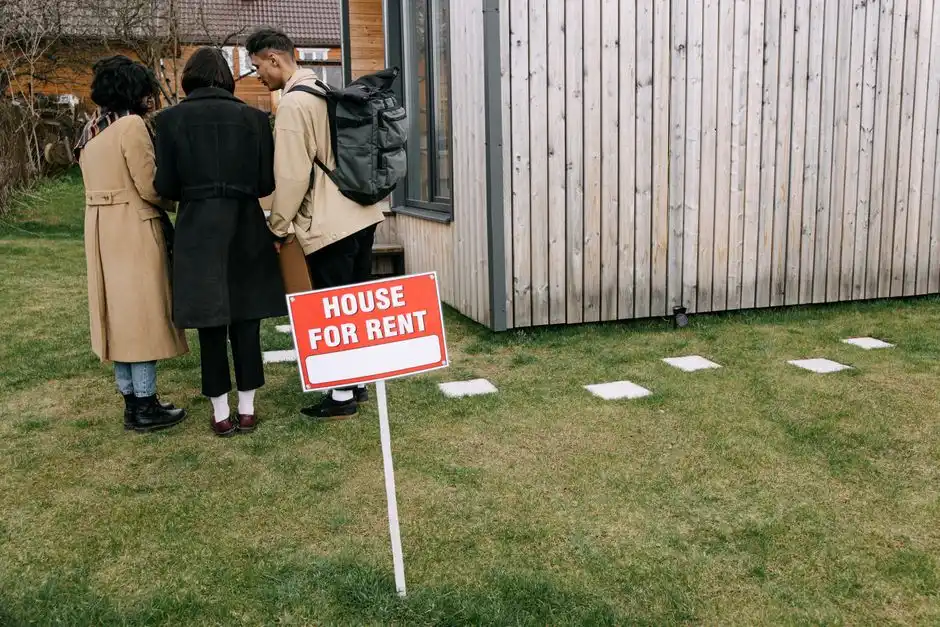
For landlords and tenants in Browne's Addition, an inspection can document a reported leak, musty odor, or recurring stain in a rental unit. We coordinate entry, inspect the affected room and nearby moisture pathways, and explain findings in a clear report. In converted apartment buildings, shared walls and plumbing routes may matter, so we note access limits and relevant observations.

View Details
Basement and Crawl Space Mold Inspection

Basement and Crawl Space Mold Inspection

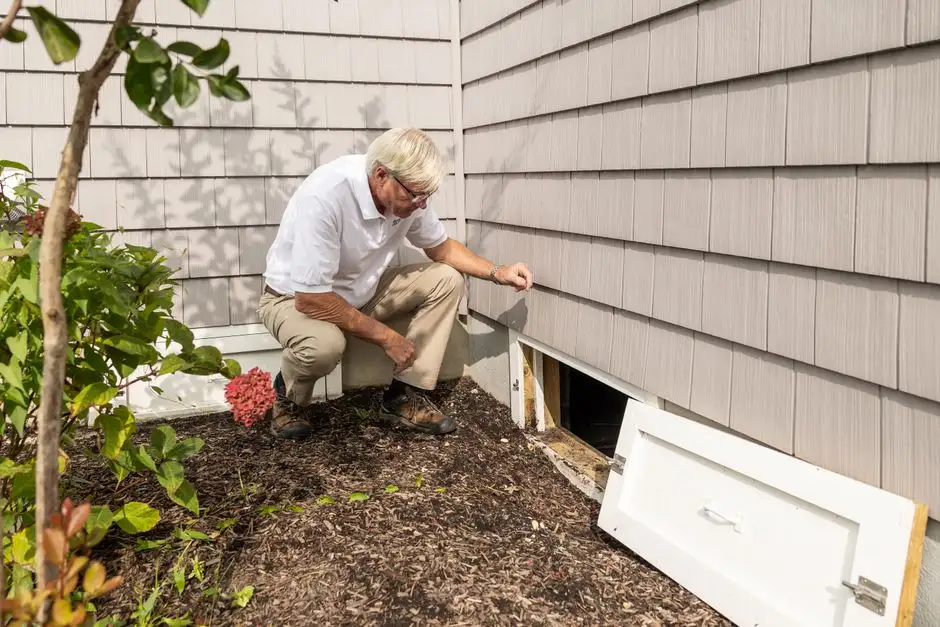
Below-grade areas deserve a careful moisture assessment in Browne's Addition, particularly after wet weather or a plumbing event. We inspect accessible foundation surfaces, stored materials, and signs of water entry or persistent dampness. Readings and observations help separate a current moisture issue from an old stain, while targeted sampling is used only when it answers a defined question.

View Details
Attic Mold Inspection

Attic Mold Inspection

We inspect Browne's Addition attics for staining, damp sheathing, ventilation patterns, and signs of condensation or roof entry. Cold winters can expose weak points in attic air movement, while a leak may leave a localized trail. We document what is accessible and distinguish suspected mold from other staining before recommending sampling or repair follow-up.

View Details
HVAC Mold Inspection

HVAC Mold Inspection

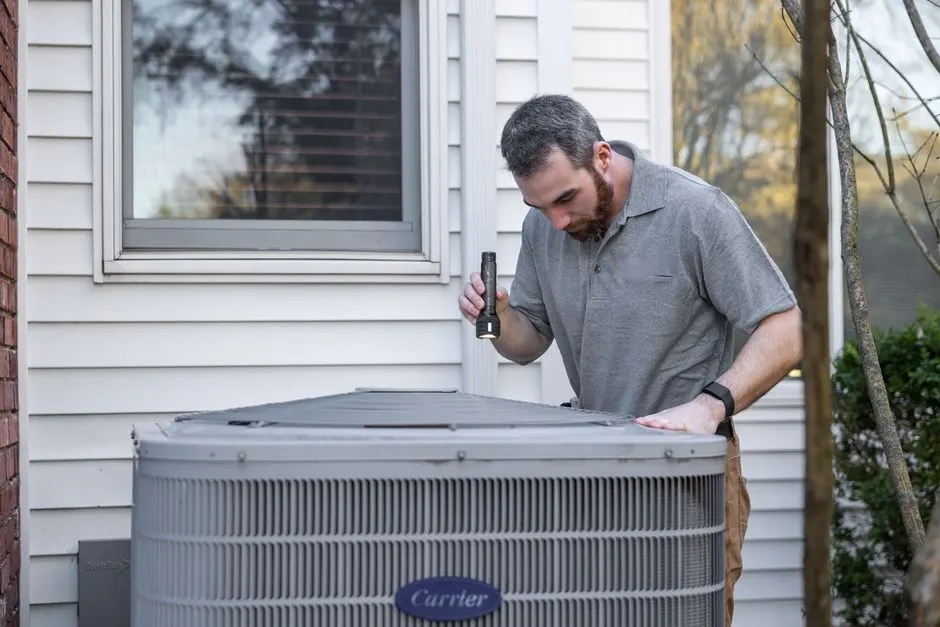
If an odor changes when heating or cooling runs, we inspect accessible HVAC components and nearby surfaces for moisture or suspected contamination. We do not assume a system is the source based on odor alone. In Browne's Addition properties, we connect the observation to filtration, condensate management, and room conditions, then recommend targeted testing if evidence supports it.

View Details
Visible Mold Assessment

Visible Mold Assessment

A visible patch on plaster, trim, or a basement wall needs context: what material is affected, whether it is damp, and where moisture came from. We assess the affected area in your Browne's Addition property and check nearby surfaces for spread or a continuing source. You get a practical account of observations and whether sampling is useful.

View Details
Hidden Mold Investigation

Hidden Mold Investigation

When a musty odor or recurring stain points to concealed growth, we inspect likely cavities and moisture pathways without assuming every wall must be opened. A borescope can help view an accessible cavity through a small opening when appropriate. In renovated historic properties, we focus on the evidence and limit investigation to locations relevant to your concern.

View Details
Mold Sampling

Mold Sampling

Sampling in Browne's Addition is selected to answer a defined question, such as whether a suspect surface contains mold or whether airborne particles are elevated in a room. We use clean collection materials and record locations, conditions, and method. Results are interpreted with the inspection, moisture history, and building context rather than treated as a stand-alone verdict.

View Details
Airborne Mold Spore Testing

Airborne Mold Spore Testing

Airborne sampling can help assess a room with a persistent odor, suspected hidden source, or concern after remediation. We operate an Air sampling pump with an appropriate collection cassette and document the sampling conditions. In a Browne's Addition apartment, we compare relevant indoor locations and interpret results with the property's moisture findings.

View Details
Surface Mold Sampling

Surface Mold Sampling

Surface sampling is suited to a specific visible or suspected area when identification is useful to the investigation. We collect from the selected material with a clean method and record the exact location in your Browne's Addition property. The result helps characterize that sample; it does not replace checking for water intrusion or correcting the source.

View Details

Common Browne's Addition Moisture Problems

Browne's Addition's older building stock brings varied plumbing routes, repaired finishes, and renovation cavities that can conceal water travel. Below-grade spaces need careful assessment, while cold winters and freeze-thaw conditions can stress masonry, foundations, and roofs. Condensation on cold surfaces may add another moisture source when ventilation is uneven. Our Browne's Addition mold inspection and testing focuses on evidence at the property: where water entered, what materials remain damp, and whether sampling can answer a specific question. We do not infer a problem from a building's age alone.

Mold growth after plumbing leaks behind older finished walls

Older plumbing and later renovations can leave water traveling behind trim or wall finishes before a stain becomes visible. In a converted apartment building, the affected area may not match the room where the leak began. Moisture can remain trapped if repairs address the pipe but not the wet materials.

Chronic indoor dampness in basements and below-grade spaces

Basements and other below-grade areas can hold moisture after water intrusion or seasonal changes. Finished walls, stored items, and limited air movement can conceal damp material. A musty odor may persist even when no water is visible on the floor.

Attic condensation and mold during cold-weather temperature swings

Warm indoor air reaching cold attic surfaces can condense when ventilation and air movement are uneven. Winter conditions can make these patterns clearer in older buildings, while roof leaks can leave similar-looking stains. The distinction matters because the moisture source determines the appropriate repair.

Musty odors or suspected HVAC and ductwork contamination

An odor that changes with heating or cooling can originate in a damp room, a nearby material, or an HVAC component. Older renovations may also alter airflow between spaces. Odor alone does not establish contamination, so inspection needs to check the surrounding conditions.

When to Call for Mold Inspection

Call for Mold Inspection and Testing in Browne's Addition when a smell persists, a stain returns, or a leak has affected building materials beyond the surface. A musty odor in a finished basement, bubbling paint on an exterior wall, or attic staining after winter weather deserves a closer look, especially in a historic home or converted apartment. If you need affordable mold inspection and testing in Browne's Addition WA, describe the affected room and any known water event when you call. We can focus the visit on the evidence and explain whether sampling is warranted.

  • Musty odor returns after airing out

    A recurring odor can point to retained moisture or hidden mold growth, particularly when it returns after windows are closed or heating begins. Note the room, time, and conditions when you notice it. If the smell follows a leak or remains concentrated in one area, inspection can help locate the moisture pathway.

  • Water stain grows or reappears

    A stain that expands or returns after painting can indicate ongoing water intrusion rather than a cosmetic defect. In an older Browne's Addition building, the entry point may be above or beside the visible mark. Check for active leaks first, then arrange an inspection to assess adjacent materials and moisture.

  • Basement wall feels damp or smells earthy

    Persistent dampness in a below-grade room can support mold growth and damage stored belongings or finishes. Look for peeling paint, white mineral deposits, or wet cardboard near the wall, but avoid disturbing suspected growth. We compare readings at multiple points and document the extent of the concern.

  • Condensation forms on cold interior surfaces

    Repeated condensation on windows, exterior walls, or plumbing can indicate a humidity and temperature imbalance. Cold winters can make the pattern more noticeable in older properties with variable ventilation. Condensation is not proof of mold, but ongoing wet surfaces merit attention before staining or growth appears.

  • Odor or dust changes when HVAC runs

    A smell that appears when the heating system starts may come from dust, moisture, or a source near the air path. Do not assume the ducts are contaminated based on odor alone. An inspection can check accessible components, nearby surfaces, and room moisture, then determine whether targeted sampling is useful.

Landmarks That Help Us Navigate

We use established local landmarks as orientation points when planning a visit, not as claims about the condition of nearby properties. The Northwest Museum of Arts and Culture and Campbell House help identify the neighborhood's western side, while Cannon Hill Park provides a familiar reference toward the south. Kendall Yards sits across the Spokane River from Browne's Addition and can help orient regional travel. Share your street address and entry instructions when booking so we can locate the correct building and plan practical access.

Northwest Museum of Arts and Culture

The museum is a recognized Browne's Addition landmark and a useful orientation point for reaching nearby streets. We use the property address and entrance details for final navigation rather than treating the landmark as a service location.

Campbell House

Campbell House is part of the Northwest Museum of Arts and Culture campus and provides a clear reference point in Browne's Addition. It helps orient visitors to the neighborhood's historic area without implying any connection to a specific inspection.

Cannon Hill Park

Cannon Hill Park is a nearby Spokane landmark that helps orient travel toward the south side of Browne's Addition. A customer's street address remains the key detail for choosing the correct approach and building entrance.

Coverage across Browne's Addition & Spokane County

99201992039920299205992049920799208992589922499223990019921299209992109921999220992529925699260

Plus surrounding Spokane County neighborhoods, with same-day routing on most appointments.

Browne's Addition Customer Feedback

Averaging 4.9 / 5 across verified reviews.

“We called after finding a damp patch and a musty smell in our Browne's Addition basement. The inspector checked more than the visible spot, explained the moisture readings, and showed us where the wall was still affected. The report made it easier to talk with the contractor about the right repair area. The visit was direct and thorough, without pressure to order extra sampling.”

M

Megan R.

Browne's Addition

“Our apartment had an odor that seemed stronger when the heat ran. The team inspected the rooms and discussed what air sampling could and could not tell us before collecting anything. They recorded the locations and explained the findings in plain terms. We appreciated having the HVAC concern checked alongside the moisture history instead of being told the system was automatically the source.”

D

Daniel P.

West Downtown

“We needed an inspection before buying an older Browne's Addition home. The inspector focused on the basement, attic, and areas with prior staining, then explained which conditions were visible and which would need more access. The written findings helped us ask informed questions about the water history. The appointment stayed focused on the property rather than turning into a sales pitch.”

L

Laura S.

Browne's Addition

Seasonal Mold Inspection in Browne's Addition

As November brings colder conditions, Browne's Addition property owners should watch for condensation on cold surfaces, roof or masonry water entry, and musty odors that appear when heating begins. Winter freeze-thaw cycles can stress building envelopes, while spring thaw may expose dampness in lower levels. Summer brings ventilation and humidity questions; fall is a good time to check roofs, gutters, and attic conditions before sustained cold. If you need airborne mold spore testing in Browne's Addition WA, we choose sampling based on the room conditions and the question you need answered.

Spring

Snowmelt and spring rain can reveal water entry around foundations, basement walls, or roof transitions. In Browne's Addition, inspect below-grade spaces after wet weather and note fresh staining or damp odors. A spring inspection can distinguish a new moisture event from an old mark.

Tip: Move stored items a short distance from suspect basement walls and photograph changes in staining. If water entered, arrange an assessment after the source is controlled so readings can help identify remaining damp materials.

Summer

Warmer weather can make ventilation patterns easier to observe, while damp rooms may continue to smell musty even after visible water is gone. Renovations in historic properties can open concealed cavities, so dust or new odors after work deserve attention.

Tip: Before closing a renovation cavity, check for damp materials and document the work area. Keep a record of any leak or drying work, and call if a musty odor returns after the room is closed.

Fall

Rain and falling temperatures make fall a useful time to look for roof leaks, clogged drainage paths, and attic moisture before winter. A stain that appears after a storm may point to water entry, while cold surfaces can develop condensation as indoor heating increases.

Tip: Check attic access areas and visible ceilings after heavy rain, and note when a mark changes. Address active roof or plumbing leaks promptly, then arrange moisture inspection if dampness remains.

Winter

Winter is the current concern in November: cold exterior walls, roof transitions, and foundations face freeze-thaw stress, while indoor humidity can condense on cold surfaces. Heating can also make previously unnoticed odors more apparent in a Browne's Addition home.

Tip: Keep indoor humidity and recurring condensation in view, especially around windows and exterior walls. If a pipe freezes or leaks, stop the water source and document affected rooms; call for assessment once emergency water control is underway.

Mold Inspection and Testing in Browne's Addition FAQs

Real answers from our team for the questions we hear most often before a job starts.

How much does mold inspection and testing cost in Browne's Addition?
A focused inspection commonly costs $180-$450, and laboratory sampling can add about $75-$150 per sample in 2026. The final price depends on property size, access, water history, and how many locations need testing. A multi-level historic home or converted apartment can take longer than a one-room assessment. We explain the price before work begins and select sampling only when it helps answer your concern.
Where can I find a mold inspector near me in Browne's Addition WA?
Spokane Mold Testing serves Browne's Addition and nearby Spokane neighborhoods, including West Downtown, Peaceful Valley, and Cliff-Cannon. Call +18668968166 to describe the property, symptoms, and access needs. If you need a same-day mold inspector near Browne's Addition, tell us whether there is an active leak or a time-sensitive transaction so we can discuss the route and appointment options.
What does mold testing include for homes in Browne's Addition?
Mold testing can include an inspection of the concern, moisture checks, and targeted air or surface sampling when a specific question calls for it. For a mold testing for a home in Browne's Addition, Washington, we document sample locations and conditions, then interpret laboratory findings alongside visible evidence and water history. Testing does not identify the moisture source by itself, so the inspection context matters.
How do I choose a mold inspection company serving Browne's Addition?
Choose a company that checks moisture sources, explains when sampling is useful, and documents inspected locations and limitations. Ask how it handles historic homes, converted apartments, and below-grade rooms common in Browne's Addition. An independent mold assessment Browne's Addition should focus on evidence and explain results clearly, rather than recommending the same number of samples for every property.
How long does a Browne's Addition mold inspection take?
A focused residential inspection often takes 1.5-3 hours; larger or multi-level properties can take longer. Time depends on access to basements, attics, utility areas, and the number of rooms tied to the concern. Sampling adds collection time, and laboratory analysis follows after the visit. We focus first on the reported moisture path and document any areas that could not be accessed.

Book Mold Inspection and Testing in Browne's Addition

A recurring odor, water stain, or damp basement deserves a clear inspection, not a guess. We serve Browne's Addition and nearby Spokane neighborhoods, checking moisture conditions and recommending sampling only when it answers a useful question. Call +18668968166 to describe your property and schedule the right assessment. We will focus on the rooms and materials connected to your concern.

Call Our Team Send a Message

Contact Spokane Mold Testing

Tell us what happened, where you noticed the odor or staining, and whether water entered the property. Call +1 866-896-8166 to speak with Spokane Mold Testing about an inspection or testing question. Our listed business hours are Monday through Friday, 8:00 a.m. to 6:00 p.m.; if a leak is active, call promptly and describe the conditions.

Or call us right now at +18668968166 — we answer.

Spokane Mold Testing


  • Phone

    +18668968166
  • Address

    Spokane, Washington

  • Hours

    Mon–Fri: 7AM – 7PM
    Sat: 8AM – 4PM
    Sun: Emergency Only
    24/7 Emergency Available

Call +18668968166 Get Quote
Call Quote