
Audubon Park
Audubon Park is a recognizable local reference point for locating nearby streets in the Audubon area. We use it for general orientation, then confirm the exact property address and entry instructions with you.
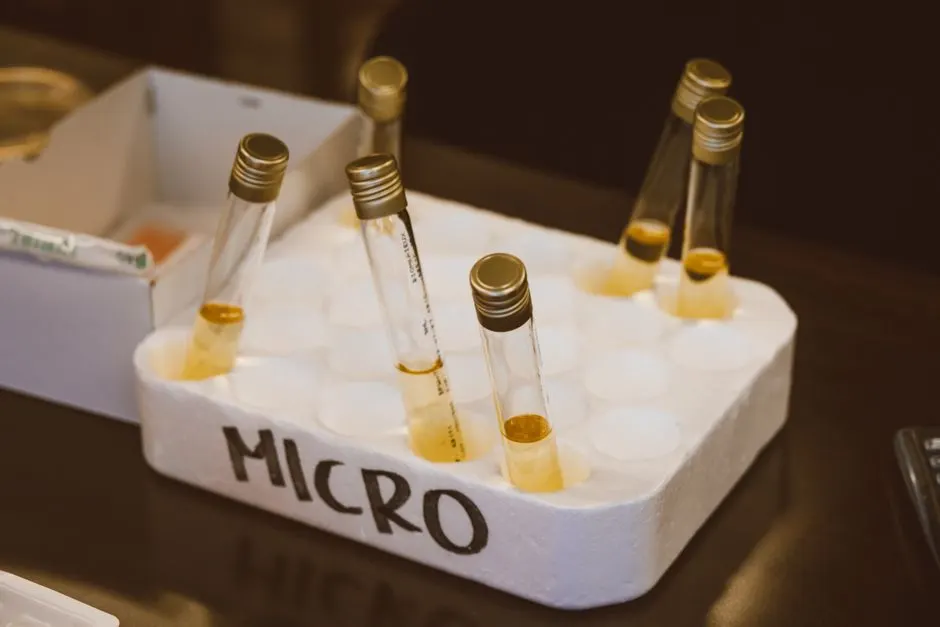
Mold Inspection and Testing in Audubon-Downriver is a property assessment that identifies moisture conditions and evaluates whether mold sampling is needed. We work across Downriver, Audubon Park, North Hill, and North Indian Trail, adapting each inspection to the building rather than assuming every home has the same risk. Audubon-Downriver includes older homes as well as newer development, so we check the materials, ventilation, and water history specific to your property.
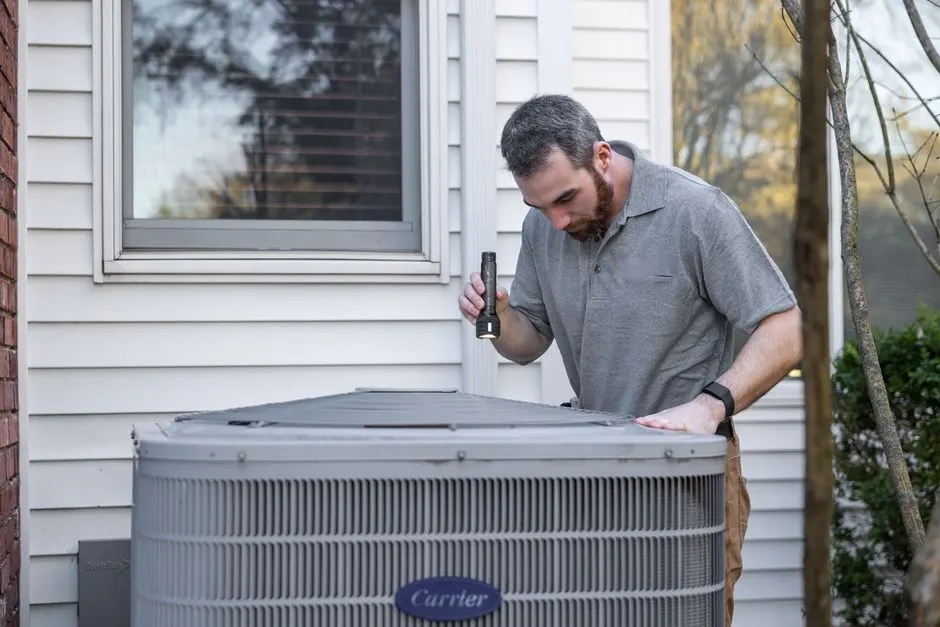
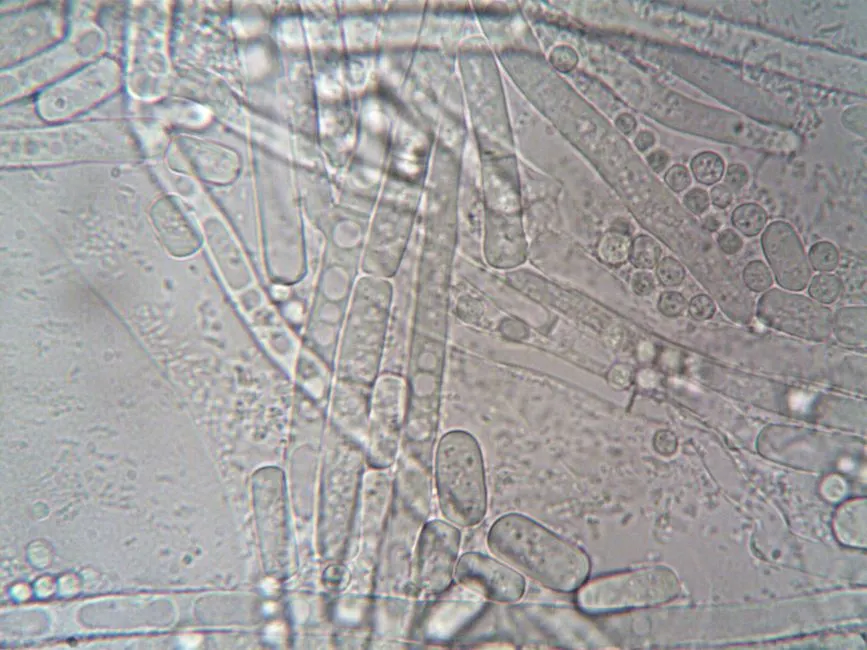
For mold inspection and testing Audubon-Downriver WA residents call us to investigate, we start with the concern you have noticed: a persistent musty odor, a stain that returns, a leak, or an unexplained indoor air issue. A moisture meter and infrared thermal camera help us identify areas that deserve closer attention; neither tool alone proves mold is present. We use sampling when it answers a defined question, then explain what the findings mean in plain language.
Spokane Mold Testing serves Spokane County, including properties near the Spokane River and Riverside State Park. River-adjacent or low-lying conditions do not make every property damp, but drainage, grading, and exterior drying patterns can differ from one lot to another. We document observations, measurements, and recommended next steps so you can address the source instead of guessing at a surface stain.
Demand for inspections in Audubon-Downriver often follows a specific event: a plumbing leak, roof seepage after snowmelt, a damp crawl space, or a musty odor that persists after cleaning. If you need mold testing for a home in Audubon-Downriver, Washington, we first check moisture and building conditions, then select sampling that fits the question. Sampling is not a substitute for locating and correcting water intrusion. We explain the sequence before work begins and provide findings you can use.
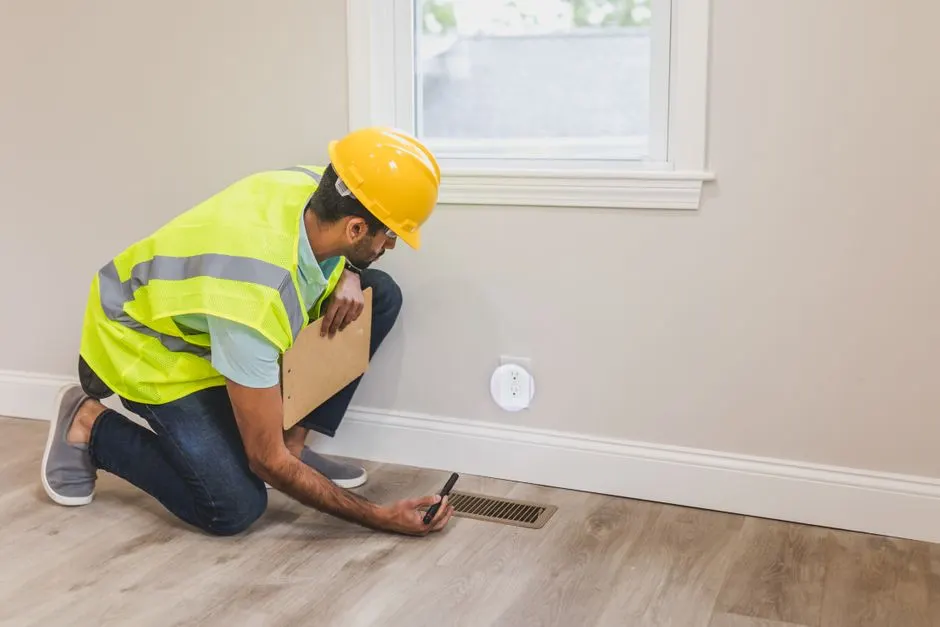

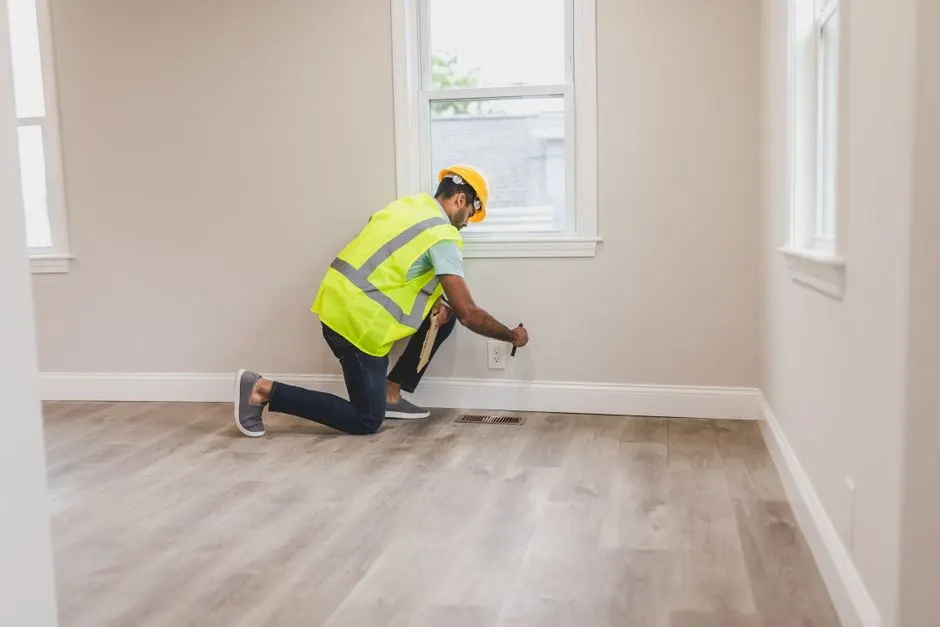
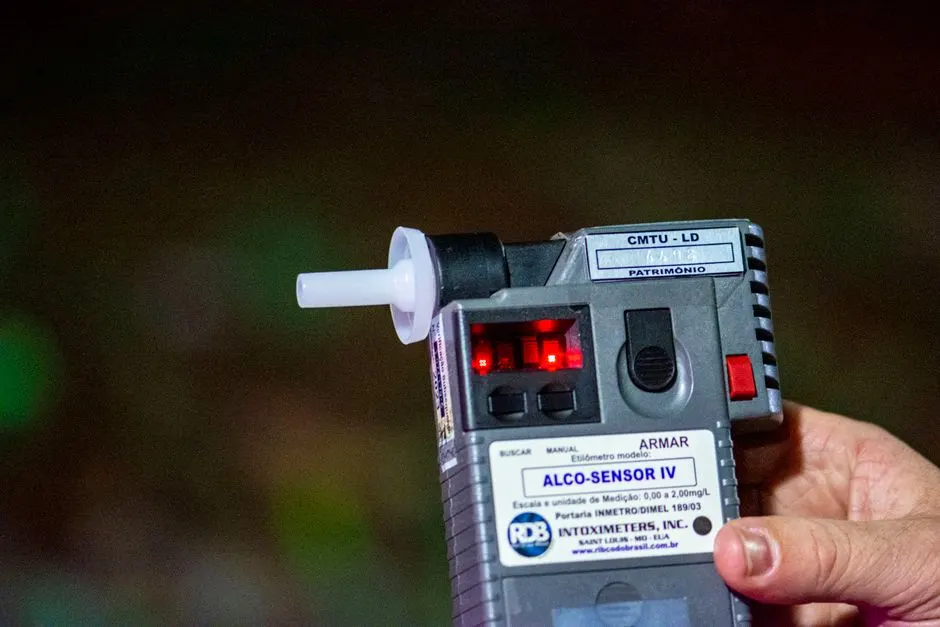
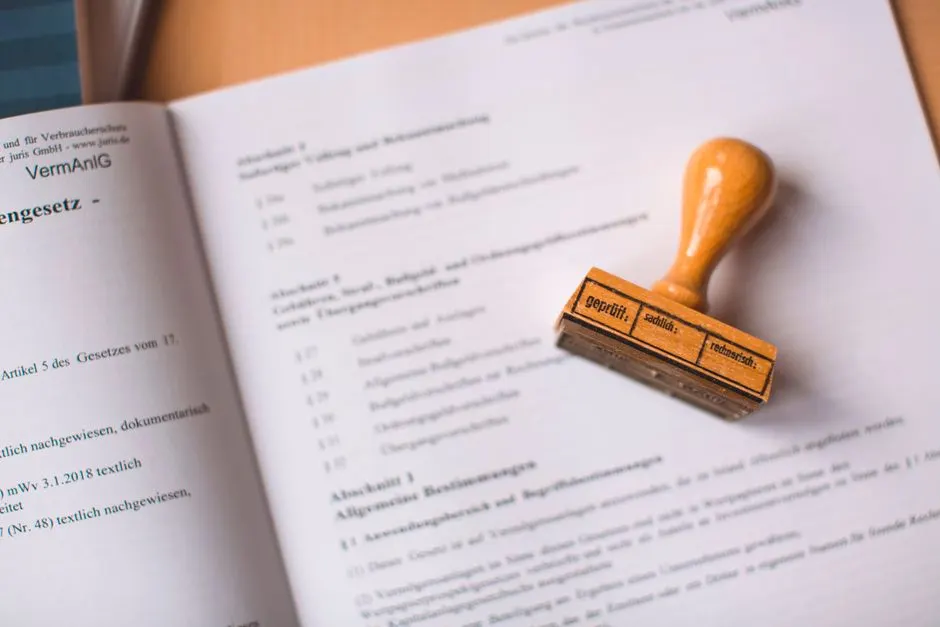
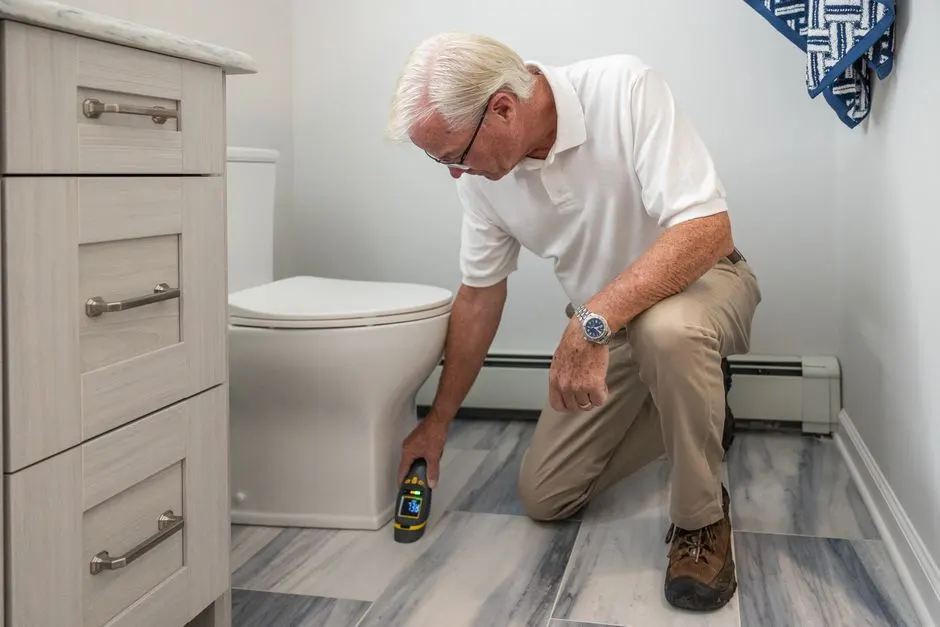
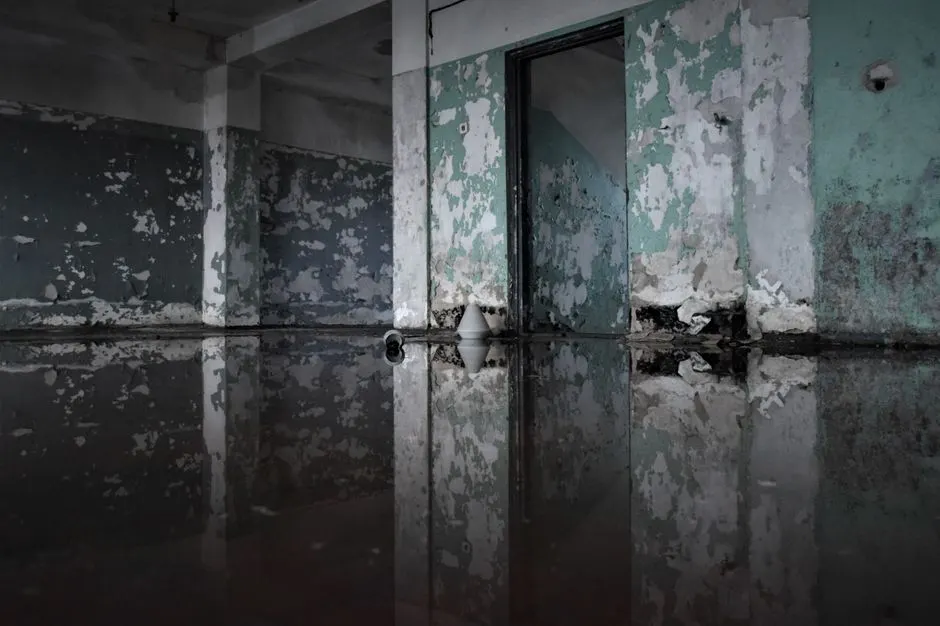


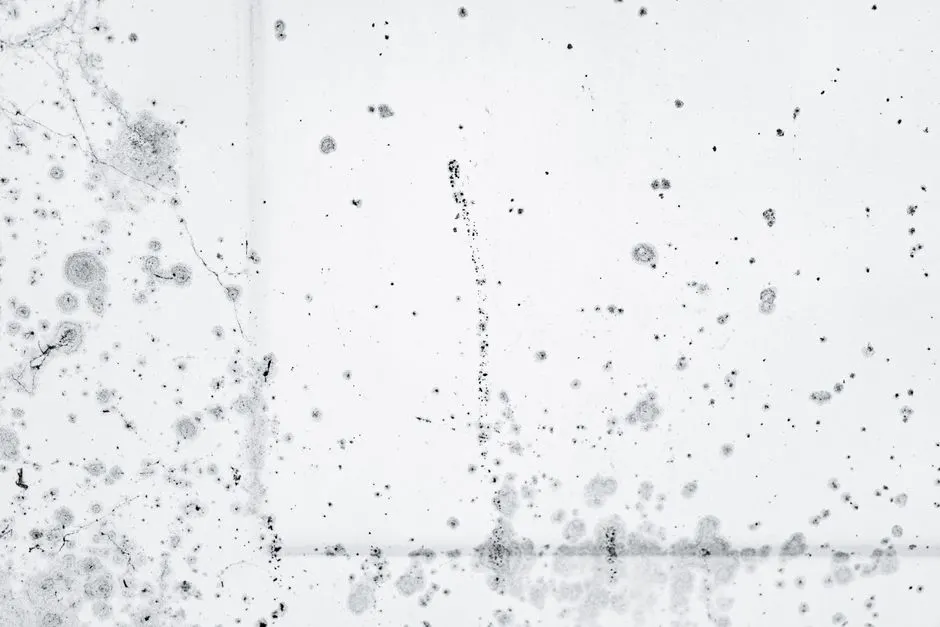
Audubon-Downriver includes older construction and newer development, and both can develop moisture problems when a leak, condensation, or drainage issue persists. Cold winters and snowmelt can stress roof details and foundations; tree cover and river-corridor conditions can affect exterior drying without proving an indoor issue. Audubon-Downriver mold inspection and testing focuses on the building's actual materials, water history, and ventilation rather than generalizing from the map. We document the source clues first.
Cold conditions can create temperature differences at the roof assembly, and snowmelt can reveal weak flashing or roof transitions. Poor ventilation or indoor moisture movement may contribute to condensation. A ceiling stain alone cannot distinguish between those causes.
Low-lying areas and individual lot grading can affect how water moves around a foundation. A plumbing leak, downspout discharge, or seasonal snowmelt may produce similar damp spots, so neighborhood location alone does not identify the source.
A small leak behind a cabinet or wall can wet framing or insulation without leaving a large surface puddle. Older finishes may conceal the path, while a repaired supply line can stop active water but leave materials damp.
Cold surfaces, limited air circulation, and seasonal humidity can combine to produce condensation on windows or exterior walls. Tree cover can slow outdoor drying in some settings, but indoor conditions and building details determine whether a problem exists.
Call when a stain returns, a musty odor persists, or a leak has left building materials damp after visible water is gone. In Audubon-Downriver, winter roof problems, spring snowmelt, and localized foundation dampness can affect different parts of a home, so note where the symptom appears and when it changes. If you suspect hidden mold after a plumbing failure, mold testing for a home in Audubon-Downriver, Washington starts with locating the moisture path. We check the source before recommending a sample.
A musty odor returns after airing out
A recurring odor can point to damp material or a concealed moisture source, particularly if it is stronger in one room or near a wall, floor, or vent. Note whether it changes after rain, heating use, or a plumbing event. We inspect the location and use sampling only if it will clarify the concern.
Ceiling stains reappear after snowmelt
A mark that grows or returns after thaw may indicate a roof or flashing leak, even if the ceiling feels dry during your check. Water can travel before it becomes visible. We compare the stain with accessible attic conditions and nearby materials to identify where follow-up is needed.
Basement corners feel damp or smell earthy
Dampness at a foundation edge may relate to drainage, a plumbing leak, or condensation. The cause is not determined by location alone. We compare readings across affected and unaffected materials and document the area so you can direct repair toward the actual moisture pathway.
Paint bubbles beside a repaired plumbing line
Bubbling or peeling paint can mean moisture remains behind the finish after a leak, though old paint failure can look similar. If the area is still changing, arrange an assessment soon. We check accessible materials and advise whether the wall needs further investigation.
Odor or dust increases near HVAC registers
A smell near a register can come from several sources, including damp nearby surfaces, a filter issue, or system contamination. It is not proof of mold in ductwork. We inspect accessible components and surrounding areas, then recommend targeted testing only when evidence supports it.
Audubon Park and Downriver Golf Course are familiar orientation points for locating nearby residential streets. The Spokane River and Riverside State Park also help distinguish the Downriver side of the service area when planning a route. These landmarks are navigation references only; they do not indicate whether a particular home has a moisture problem. We confirm your address and access instructions before the appointment so you know where to meet us.
Audubon Park is a recognizable local reference point for locating nearby streets in the Audubon area. We use it for general orientation, then confirm the exact property address and entry instructions with you.
Downriver Golf Course is a local landmark that helps identify the Downriver area. It serves as an orientation reference only; our route and inspection access are based on your specific address.
Riverside State Park provides a recognizable reference near the Spokane River corridor. It can help distinguish the area when discussing directions, but does not imply any property condition or service need.
Plus surrounding Spokane County neighborhoods, with same-day routing on most appointments.
Averaging 5.0 / 5 across verified reviews.
“We had a ceiling mark after a winter leak and needed to know whether the attic was still damp. The inspector checked the room and accessible attic area, explained each moisture reading, and showed us why a stain by itself does not prove mold. The report gave us a practical next step for the roofer instead of pushing unnecessary sampling.”
Megan R.
Audubon Park
“Our basement had a musty smell after water came in near the foundation. Spokane Mold Testing checked the affected wall and compared it with a dry area, then explained what the readings could and could not tell us. We appreciated that the river location was not treated as automatic proof of a problem. The findings helped us focus on drainage and drying.”
David L.
Downriver
“I booked an inspection before buying a North Hill home with a repaired plumbing leak. The visit covered the basement and rooms near the repair, and the report separated observations from recommendations. We had clear notes to discuss with the seller and did not feel pressured to order samples that would not answer our question.”
Tara S.
North Hill
Winter is the immediate seasonal concern in November: cold surfaces, roof leaks, and indoor condensation can reveal weak points in Audubon-Downriver homes. Spring snowmelt can expose drainage or foundation issues, while summer and fall bring their own roof, plumbing, and ventilation checks. If you need a same-day mold inspector near Audubon-Downriver, call with the leak location and any active water conditions so we can plan the right inspection. Seasonal timing helps focus the assessment, but the building evidence decides the next step.
Snowmelt and spring rain can uncover roof seepage, foundation dampness, or water entering through a low point. A stain may appear weeks after the initial water path, so check attics and lower levels when a room changes after thaw.
Tip: Note when the first stain or odor appeared and photograph any change. Keep gutters and drainage paths clear, and arrange an inspection if damp materials or a musty odor persist.
Warmer weather can dry visible surfaces while concealed materials remain damp after a leak. HVAC operation, closed rooms, and cool surfaces can also create localized condensation or odor concerns that are easier to miss during a quick walkthrough.
Tip: Run ventilation and cooling equipment as intended, replace filters on schedule, and check repaired leak areas again. If an odor returns, record which rooms and vents are affected before the visit.
Rain and falling temperatures put attention on roof transitions, window details, and lower-level drainage before winter. Leaves can obstruct drainage routes, and a small exterior leak may become more noticeable once windows stay closed and indoor odors build.
Tip: Inspect accessible gutters and roof edges from a safe location, and address known leaks before freezing weather. Have recurring wall or ceiling marks assessed while the affected area is easy to access.
Cold winters can increase condensation on cold surfaces and expose attic ventilation or roof problems. Snowmelt during a thaw may reveal water entry, while frozen or leaking plumbing can wet cabinets, walls, and floors quickly.
Tip: After a leak, stop the water source and begin appropriate drying promptly. Photograph the affected materials and call for an inspection if dampness, visible growth, or a persistent odor remains.
Audubon-Downriver is part of a connected Spokane service area. We coordinate inspections across nearby neighborhoods so buyers, property managers, and homeowners can get the same focused moisture assessment whether the property is near the river corridor or closer to central streets. ZIP codes 99205 and 99208 anchor local coverage, while 99201, 99203, and 99202 are among the Spokane ZIP codes served across the broader region.
(City)
Downtown Spokane is a central service-area reference, with customers moving between its commercial core and Audubon-Downriver for property matters.
View Downtown Spokane(City)
Northwest Spokane borders the wider west-side service region and connects residential inspection requests with the Audubon-Downriver area.
View Northwest Spokane(City)
South Hill is across central Spokane from Audubon-Downriver, but remains part of the same citywide inspection coverage.
View South Hill(City)
North Hill is a nearby residential service area with property concerns that can involve older materials, leaks, or recurring odors.
View North Hill(City)
West Central is another west-side Spokane neighborhood, allowing service coordination across nearby residential areas.
View West Central(City)
East Central lies across the city from Audubon-Downriver and is included in the broader Spokane inspection service region.
View East CentralReal answers from our team for the questions we hear most often before a job starts.
If a leak, musty odor, or recurring stain has you concerned, call Spokane Mold Testing to arrange Mold Inspection and Testing in Audubon-Downriver. Tell us what changed, where you noticed it, and whether water is still entering; we will help identify the right inspection path. We serve Spokane County and nearby Spokane neighborhoods. Call +18668968166 to schedule your property assessment.
Tell us what happened, where you noticed the odor or staining, and whether water entered the property. Call +1 866-896-8166 to speak with Spokane Mold Testing about an inspection or testing question. Our listed business hours are Monday through Friday, 8:00 a.m. to 6:00 p.m.; if a leak is active, call promptly and describe the conditions.
Phone
+18668968166Address
Spokane, Washington
Hours
Mon–Fri: 7AM – 7PM
Sat: 8AM – 4PM
Sun: Emergency Only
24/7 Emergency Available